Understanding Material Composition
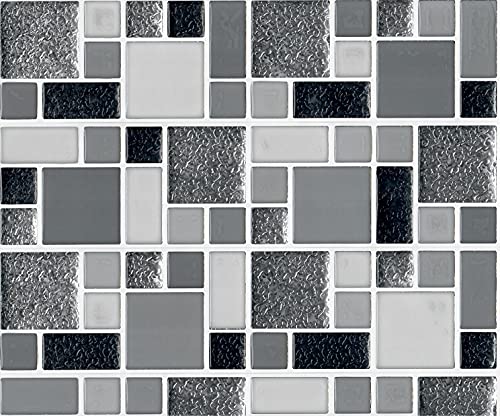
The first decision you must make is the material, as this dictates both the aesthetic and the durability of your project. Ceramic is the most common choice for decorative work. It is relatively easy to cut and comes in an endless array of glazes. It is perfect for walls but should be used cautiously on floors in high-traffic areas. Porcelain is a denser, more durable evolution of ceramic, making it the gold standard for decorative floor accents or heavy-use kitchen backsplashes. If you are seeking a high-end, luminous look, glass tiles offer depth and light refraction that no other material can match, though they require precise installation to avoid visible adhesive patterns. For a rustic or artisanal feel, cement tiles provide a matte, earthy texture that develops a beautiful patina over time, though they are more porous and require regular sealing.
Scale, Pattern, and Visual Weight
Decorative tiles function as a visual anchor. When selecting a pattern, consider the scale of your room. Small, intricate mosaics are excellent for tight spaces like powder rooms or niche shelving, as they add detail without overwhelming the eye. Conversely, large-format patterned tiles can make a sprawling floor feel more cohesive and grand. You must also decide between a 'statement' tile and a 'complementary' tile. A statement tile features bold colors or high-contrast geometries that demand attention. If you choose a statement tile, keep the surrounding field tiles neutral to avoid a chaotic appearance. If you want a more subtle enhancement, look for tiles with tonal variations or textures that catch the light without introducing a new color palette.
Surface Texture and Maintenance
The tactile quality of a tile is just as important as its color. A high-gloss decorative tile is stunning in a bathroom, reflecting light and making a small space feel larger, but it can be difficult to clean if it is prone to water spotting. Matte or textured tiles are much more forgiving with fingerprints and smudges, making them ideal for kitchen backsplashes where grease might splatter. Additionally, consider the 'slip resistance' if the tile is intended for a floor. Decorative tiles with heavy embossing or a natural stone finish provide better traction in wet environments like shower floors, whereas polished decorative tiles can become dangerously slick when wet.
Edge Finishes and Installation Complexity
Don't overlook how the tile ends. Decorative tiles often have unique edges—some are beveled, some are bullnose, and some are raw and rustic. If you are installing a decorative border, ensure you have matching edge pieces to create a professional, finished look. Furthermore, be aware that highly intricate patterns or small mosaic sheets often require a higher level of craftsmanship. If you are a DIY enthusiast, look for tiles that come on mesh-backed sheets, which simplify the leveling process. If you are hiring a professional, you can opt for more complex, individual decorative pieces that require custom layouts and precise spacing.