Material Quality and Fabric Weight
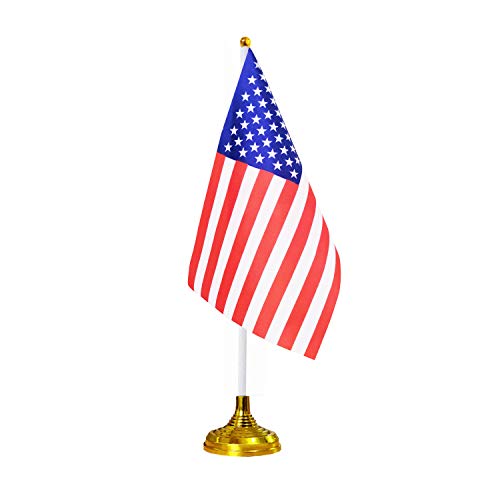
When evaluating desk flags, the first thing you should examine is the textile. Because these flags are designed for indoor display, you aren't looking for the heavy-duty, weather-resistant nylon used for outdoor poles. Instead, look for high-density polyester or silk-like synthetic blends. A superior flag will have a slight sheen that catches the light without looking overly plastic. The fabric should be thick enough to prevent 'show-through,' where the light from a window or desk lamp makes the design appear washed out or translucent. High-quality stitching along the edges prevents fraying over time, which is crucial if you plan to handle or adjust the flag frequently.
Printing Precision and Color Vibrancy
The visual impact of a desk flag depends entirely on the print technology used. For detailed designs—such as complex coats of arms, intricate patterns, or photographic elements—look for dye-sublimation printing. This process embeds the ink directly into the fibers, resulting in colors that are vibrant and sharp, rather than sitting on top of the fabric like a sticker. Avoid flags where the colors look muddy or where the edges of the design appear pixelated. A premium flag will maintain its color integrity even when placed under harsh fluorescent office lighting or near a sunny window.
The Stand and Base Stability
A flag is only as good as the structure holding it up. A common mistake is purchasing a flag with a lightweight, flimsy base that tips over at the slightest touch or vibration from a nearby keyboard. Look for bases made of weighted materials such as polished wood, heavy resin, or solid metal. A stable base provides a sense of permanence and luxury. Furthermore, consider the pole material. A sturdy brass or polished stainless steel pole offers a much more professional aesthetic than thin, bendable plastic. Ensure the connection point between the pole and the base is secure to prevent the flag from leaning at an awkward angle.
Scale and Spatial Considerations
Before finalizing your purchase, consider the scale of your desk real estate. Desk flags come in various dimensions, and choosing one that is too large can overwhelm your workspace, while one that is too small may look insignificant next to a large monitor. A standard desktop flag typically ranges from 4 to 6 inches in height. Measure your available space—specifically the area near your monitor or peripheral equipment—to ensure the flag has enough 'breathing room' to be seen clearly without interfering with your mouse movement or typing space.
Style and Aesthetic Cohesion
Finally, think about how the flag integrates with your existing office decor. If you have a minimalist, modern setup, a sleek metal base with a clean, geometric design will work best. If your office is more traditional or academic, a wooden base with a classic fabric texture will feel more at home. The goal is to choose a flag that complements your professional persona rather than clashing with your environment.