Material Composition and Durability
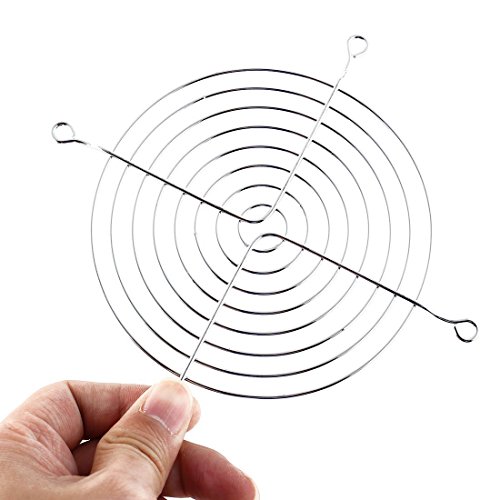
The first decision factor is the material used to construct the grill. Most high-quality grills are made from either steel or aluminum. Steel is the industry standard for durability. It offers excellent structural rigidity, ensuring that if a stray cable or a small tool accidentally moves toward the fan, the grill will hold firm. Steel grills are also highly resistant to bending, which is crucial if you are mounting them in tight spaces where they might be subject to pressure. Aluminum is a lighter alternative that offers a more premium, sleek look and better natural heat dissipation, though it can be more prone to denting if handled roughly. When selecting a grill, consider the environment of your PC build—if you have a high-vibration setup or a compact case with tight tolerances, a rigid steel grill is often the safer investment.
Airflow Impedance and Mesh Density
The primary trade-off in selecting a fan grill is the balance between protection and performance. A grill with a very tight mesh pattern will catch the smallest dust particles, but it also creates 'airflow impedance.' This happens when the mesh acts as a bottleneck, forcing the fan to work harder to pull air through the small openings, which can lead to increased noise levels and decreased cooling efficiency. Conversely, a coarse grill with wide gaps allows for maximum airflow but provides minimal protection against dust. To find the sweet spot, look for 'high-flow' designs that utilize thin, high-strength wires or optimized geometric patterns. These designs aim to provide a physical barrier while maintaining a high open-area ratio, ensuring that your intake and exhaust fans can move air freely without creating unnecessary turbulence.
Mounting Hardware and Installation Compatibility
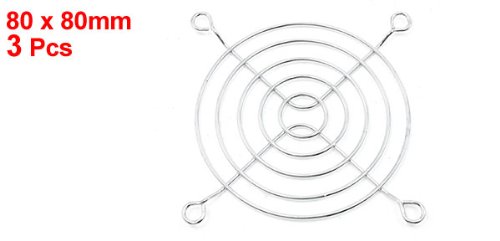
Not all grills are created equal when it comes to how they attach to your hardware. There are two main mounting styles: screw-mounted and clip-mounted. Screw-mounted grills are the most secure and are generally preferred for intake fans where the grill will be constantly fighting against incoming air pressure. These typically use standard fan screw holes, making them compatible with most standard 120mm, 140mm, or 80mm fans. Clip-mounted grills, often seen in more specialized or slim builds, snap directly onto the fan frame. While faster to install, they can sometimes vibrate more than screw-mounted versions. Always ensure the grill you choose matches the exact diameter of your fans. A grill that is even a few millimeters too small will not sit flush, leading to air leaks and unsightly gaps that defeat the purpose of the protection.
Aesthetics and Finish
Since many modern PC builds feature tempered glass side panels, your fan grills are often visible components of your overall aesthetic. If you are building a themed rig, consider the finish of the grill. Matte black powder-coated steel is the most common choice, as it blends seamlessly into the shadows of a dark chassis. However, if you are running a high-end white build or a chrome-themed setup, you may want to seek out anodized aluminum or painted steel to match. A well-chosen grill should look like an integrated part of the cooling system rather than an afterthought.