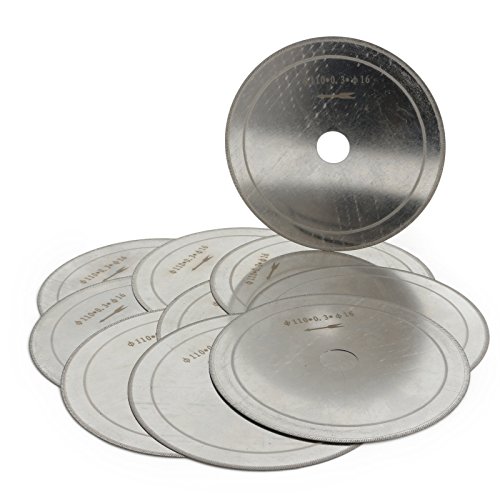
Understanding Segment Geometry and Rim Design
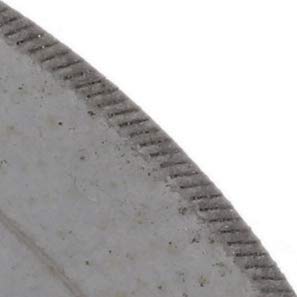
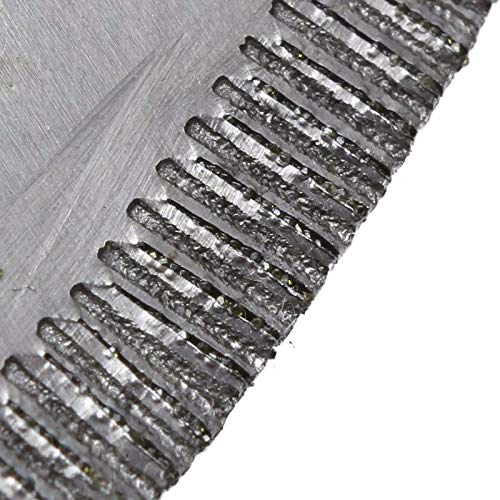
The most critical factor in choosing a diamond blade is the rim design. Blades generally fall into three categories: continuous, segmented, and turbo. For heavy-duty masonry or concrete work where you need to clear debris quickly, a segmented rim is essential. The gaps between the diamond segments allow for better cooling and debris ejection, preventing the blade from overheating and 'glazing' over. If you are performing fine, precision cuts on delicate materials like porcelain or marble, a continuous rim is superior because it provides a smooth, chip-free finish. Turbo blades sit in the middle, offering a hybrid approach that provides decent speed for general construction while maintaining a smoother edge than a fully segmented blade.
Diamond Concentration and Grit Density
Not all diamond segments are created equal. The performance of your blade depends on the concentration of industrial diamonds embedded within the metal matrix. A high-concentration blade will last significantly longer because there is more abrasive material to wear down, but it may struggle to cut through softer materials, leading to 'loading' (where the material clogs the blade). Conversely, a lower-concentration blade with a softer metal matrix is designed to wear away more quickly, constantly exposing fresh diamond crystals. This makes them ideal for extremely hard materials like quartz or high-density granite. When shopping, match the diamond density to the hardness of your material: high density for hard stone, and lower density for softer masonry or brick.
Core Construction and Vibration Control
A premium blade must be able to withstand the immense centrifugal forces and heat generated during high-speed rotation. Look for blades with a heavy-duty steel core. A thick, high-quality steel center prevents the blade from warping or 'walking' during a cut, which is a major safety hazard. Furthermore, because 'jingling' blades are designed for high-impact cutting, look for features that mitigate excessive vibration. Excessive vibration not only leads to uneven cuts but also causes premature fatigue in both the operator and the motor of the saw. A well-balanced blade ensures that the energy is directed into the cut rather than being lost to lateral oscillation.
Compatibility and Arbor Specifications
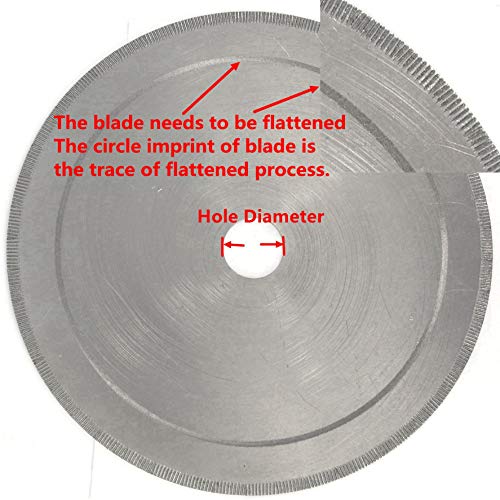
Before finalizing your purchase, you must ensure the blade is compatible with your existing equipment. This involves two main checks: the arbor size (the center hole) and the blade diameter. Most handheld grinders use a standard arbor, but large-scale masonry saws may require specific adapters or larger diameters. Additionally, ensure the blade is rated for the RPM (revolutions per minute) of your tool. Using a blade rated for a lower speed on a high-speed grinder can lead to catastrophic failure of the diamond segments. Always verify that the blade is intended for the specific power source you are using, whether it be corded electric, battery-operated, or gas-powered.