Understanding Segment Composition and Bond Hardness
The most critical factor in any diamond saw blade is the relationship between the diamond grit and the metal bond that holds it. This is known as 'bond hardness.' The rule of thumb is simple: the harder the material you are cutting, the softer the bond should be. A soft bond allows the metal matrix to wear away more easily, constantly exposing new, sharp diamond particles to the cutting surface. If you use a hard-bond blade on soft marble, the diamonds will quickly become 'glazed' or dull because the metal won't wear away to reveal new grit. Conversely, using a soft-bond blade on hard granite will cause the metal to wear away too quickly, leading to premature blade depletion. Always match your bond type to your specific substrate to maximize tool life and cutting speed.
Segment Design: Continuous vs. Segmented
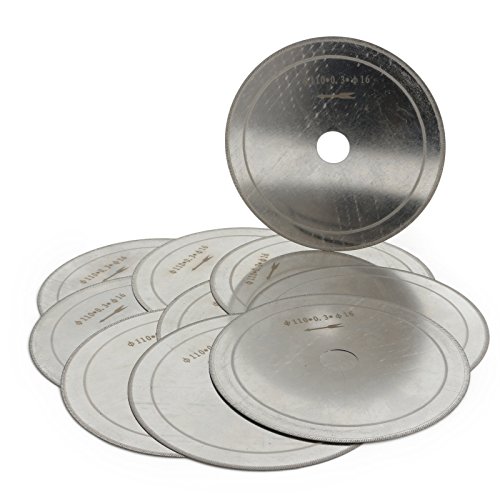
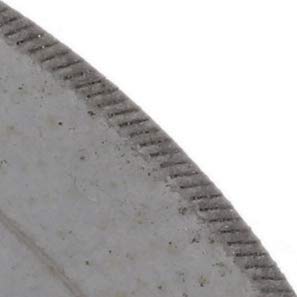
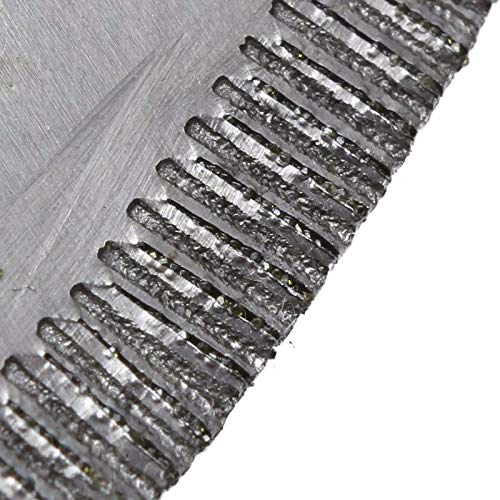
The physical shape of the diamond segments on the perimeter of the blade dictates the quality of the cut. There are two primary styles you will encounter. Segmented blades feature gaps between the diamond segments, which act as cooling channels and debris channels. These gaps allow air or water to flow through, preventing overheating and helping to eject dust and slurry. These are the workhorses for heavy-duty tasks like cutting through brick, concrete, or stone with high aggregate content. On the other hand, continuous rim blades have no gaps, creating a solid, unbroken edge. These are designed for high-precision tasks where a clean, chip-free edge is mandatory, such as cutting ceramic tile, porcelain, or engineered quartz. If you prioritize speed and durability in rough construction, go segmented. If you prioritize aesthetics and smooth finishes, go continuous.
Cooling Methods: Wet vs. Dry Cutting
Before purchasing, you must determine if your cutting equipment is designed for wet or dry operation. Wet saw blades are engineered to work in tandem with a constant stream of water. The water serves three vital purposes: it cools the diamond segments to prevent thermal cracking, it lubricates the cut to reduce friction, and it suppresses hazardous silica dust. Dry cutting blades are specifically formulated with high-heat resistant bonds to allow for operation without water. While dry cutting offers more portability, it generates significantly more dust and can lead to faster blade wear if the material is particularly dense. Ensure your blade's specification matches your power tool's water delivery capabilities.
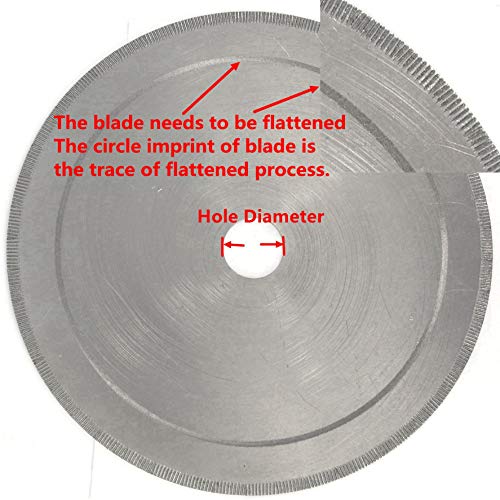
A common mistake is overlooking the arbor diameter—the center hole that fits onto your saw's spindle. Even if a blade is perfect for your material, it is useless if it cannot be mounted securely. Most professional saws use standard arbor sizes, but many blades come with reducer rings to accommodate different diameters. Always verify that the blade's arbor size matches your tool, or ensure the package includes the necessary adapters. Additionally, consider the blade diameter. Larger diameter blades provide deeper cutting depths and more stability, whereas smaller blades offer better maneuverability in tight spaces.
Summary Recommendation Logic
To make your final decision, follow this logic: If you are cutting hard, abrasive materials like granite or concrete, prioritize a segmented blade with a soft bond. If you are working with fragile, high-end tiles or porcelain, select a continuous rim blade with a harder bond to prevent chipping. Always prioritize blades designed for wet cutting if your setup allows, as this will significantly extend the lifespan of your investment and ensure a cleaner, safer working environment.