Prioritize the Type of Fiber: Soluble vs. Insoluble
The most critical decision in selecting a fiber supplement is understanding the distinction between soluble and insoluble fiber. Soluble fiber dissolves in water to form a gel-like substance in your gut, which helps slow digestion, stabilize blood sugar, and lower cholesterol. Common soluble sources include psyllium husk, inulin, and pectin. Insoluble fiber, found in wheat bran or cellulose, adds bulk to the stool and helps food pass more quickly through the digestive tract. For most people looking for the convenience of a stick pack, a blend is ideal. A balanced formula provides the regularity benefits of insoluble fiber alongside the metabolic and satiety benefits of soluble fiber. If you are specifically looking to manage hunger or blood sugar, lean toward higher soluble concentrations.
Evaluate Solubility and Texture
One of the primary reasons consumers choose stick packs is for ease of use, but if the powder clumps or leaves a gritty residue in your water, you won't stick to the routine. Look for 'instantized' or highly soluble powders. Psyllium husk is highly effective but can thicken very quickly if not consumed immediately. If you prefer mixing your fiber into coffee, smoothies, or juice, look for ingredients like partially hydrolyzed guar gum (PHGG) or acacia fiber, which tend to be much more transparent and less viscous than traditional husk-based powders. A high-quality stick pack should dissolve smoothly without significantly altering the flavor or texture of your beverage.
Check for Additives and Sweeteners
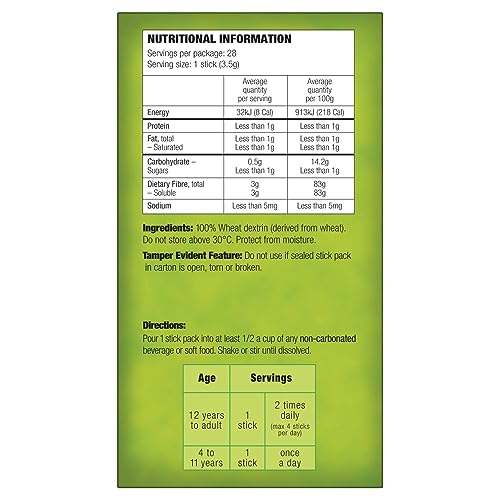
Because stick packs are often consumed as a quick beverage, many manufacturers add flavors and sweeteners to mask the earthy or bitter taste of raw fiber. This is a potential pitfall. Be wary of products that rely heavily on artificial sweeteners like aspartame or acesulfame potassium, which can disrupt gut microbiome health—the very thing you are trying to support. Instead, look for supplements sweetened with natural options like stevia, monk fruit, or erythritol. Furthermore, check the label for 'fillers' such as maltodextrin. While these can help with solubility, they can also cause unexpected spikes in blood glucose, making them a poor choice for those managing insulin sensitivity.
Consider the 'Fiber-to-Calorie' Ratio
When comparing two different stick packs, do not just look at the total grams of fiber per serving. Look at the total caloric load and net carbohydrate count. Some fiber supplements are heavily loaded with maltodextrin or sugar to improve palatability, which can negate the metabolic benefits of the fiber itself. An ideal stick pack provides a high dose of fiber (ideally 3g to 5g per sachet) with minimal supplemental calories. This ensures that you are getting a functional dose of nutrition rather than just a flavored drink with a small amount of fiber added.
Dosage and Gradual Integration
Finally, consider how the product allows you to scale your intake. While stick packs are pre-portioned, it is wise to choose a brand that offers a variety of strengths or allows you to start with a single sachet per day. Increasing fiber intake too rapidly can cause gas, bloating, and cramping. A high-quality supplement brand will often include instructions on how to transition into a high-fiber diet, emphasizing the importance of increasing water intake alongside the supplement to prevent constipation.