Track Count and Layering Capability
The most obvious decision factor is the number of simultaneous tracks the device can record. In the digital realm, this usually refers to the number of discrete inputs that can be written to the storage medium at once. For a solo singer-songwriter, a 4-track or 8-track recorder might suffice for capturing a guitar and a vocal. However, if you intend to build complex arrangements with drum kits, multiple percussion layers, and vocal harmonies, you will quickly outgrow a low-track-count device. Always look one step ahead of your current needs. A device that offers more tracks than you currently require provides the headroom necessary for future expansion and more sophisticated layering.
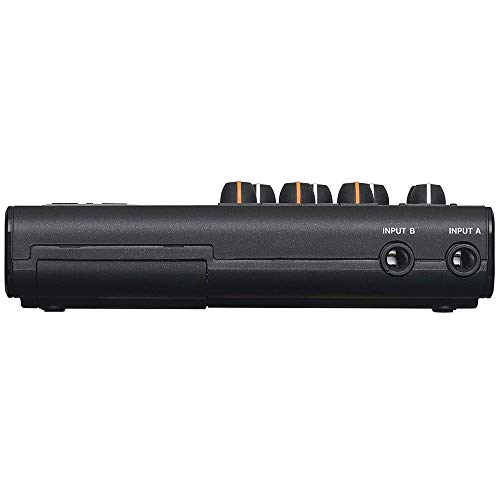
A multitrack recorder is only as good as the signal it receives. The onboard preamplifiers are the most critical component of the analog-to-digital conversion process. High-quality preamps provide a low noise floor, which is essential when recording quiet acoustic instruments or delicate vocal performances. When evaluating a recorder, consider the 'gain range' and the 'signal-to-noise ratio.' If you plan to use high-end condenser microphones, you need preamps that can provide clean, transparent amplification without introducing hiss. Additionally, check the variety of inputs. A mix of XLR and 1/4-inch jacks ensures compatibility with both microphones and line-level instruments like synthesizers.
Modern digital recorders rely on solid-state storage, typically via SD or microSD cards. While storage capacity is important, the speed of the media and the device's ability to manage file structures are more vital. Look for recorders that support high-speed cards to prevent data dropouts during high-track-count sessions. Furthermore, consider how you intend to move your audio to a computer for final mixing. Some recorders act as standalone 'islands,' requiring you to physically move the card, while others function as USB audio interfaces. The latter provides a seamless workflow, allowing you to use the recorder as an input source for your Digital Audio Workstation (DAW) in real-time.
Physical Interface and Tactile Control
One of the primary advantages of a dedicated hardware recorder over a software-only solution is the tactile experience. A well-designed recorder features physical faders, knobs, and buttons that allow you to make adjustments by feel, which can be much more intuitive during a live recording session than clicking a mouse. Pay close attention to the layout of the transport controls (Play, Record, Stop, Rewind) and the ease of navigating menus. If the device relies too heavily on deep, complex menu diving to perform basic tasks like changing sample rates or adjusting gain, it can break your creative flow and distract you from the performance.
Portability vs. Studio Stability
Finally, define your environment. If you are recording live bands in uncontrolled environments or capturing ambient sounds in the field, prioritize rugged build quality, long battery life, and compact form factors. If your goal is a permanent studio setup, prioritize features like phantom power stability, expanded I/O via external preamps, and a stable power supply. A portable recorder might sacrifice some input options for size, whereas a studio-centric unit will prioritize high-fidelity components and connectivity over weight and battery efficiency.