Prioritize Material Durability and Texture
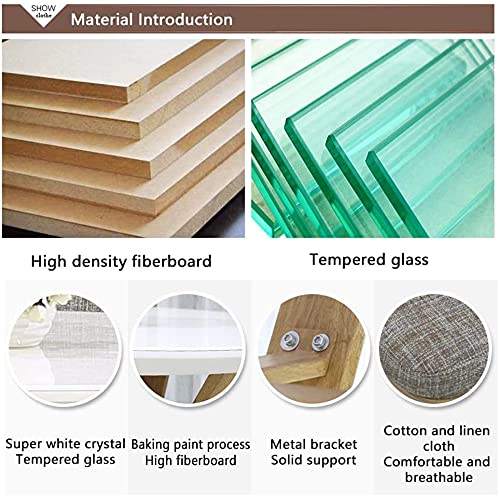
The material of your tabletop will dictate both the maintenance requirements and the overall vibe of your dining space. Solid wood remains the gold standard for those seeking warmth and heirloom quality. Wood tables offer a natural grain that brings organic texture to a room, but they require mindfulness regarding moisture and heat. If you prefer a more contemporary or industrial aesthetic, consider engineered wood with high-quality veneers, which offers stability against warping at a more accessible price point. For high-traffic households with young children, surfaces like tempered glass or high-pressure laminates are excellent choices because they are non-porous and exceptionally easy to sanitize. When selecting a material, always consider the 'tactile experience'—how the surface feels under your arms during a long dinner party.
Scale, Shape, and Spatial Flow
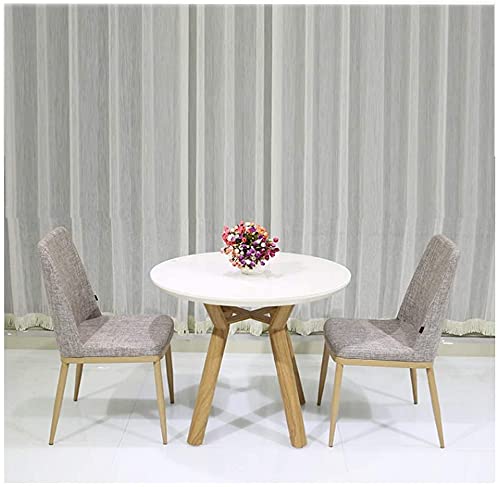
One of the most common mistakes in dining room design is selecting a table that ignores the 'flow' of the room. A table that is too large will make the space feel cramped and restrict movement, while one that is too small will look lost and fail to serve its functional purpose. Beyond the footprint, the shape of the table dictates the social dynamics of your meals. Rectangular tables are the classic choice for formal dining rooms and larger families, providing a clear sense of hierarchy and ample space for serving platters. Round tables, conversely, are the champions of conversation. Their lack of corners allows guests to see one another more easily and makes them ideal for smaller, square breakfast nooks. If you frequently host large groups but live in a smaller home, look for extendable models that offer versatility without sacrificing daily floor space.
Weight Capacity and Structural Integrity
A dining table must be able to support more than just plates and glassware. Consider the weight of heavy stoneware, large serving bowls, and the inevitable leaning of guests. Pay close attention to the base design. A pedestal base provides maximum legroom and allows for more flexible seating arrangements, but a four-legged design often provides superior lateral stability. Inspect the joinery where the legs meet the tabletop. Sturdy, reinforced connections are the hallmark of a table built to last decades rather than seasons. If you are opting for a glass top, ensure the frame is heavy-duty enough to prevent any wobbling, which can be both a nuisance and a safety hazard.
Integrating Style with Functionality
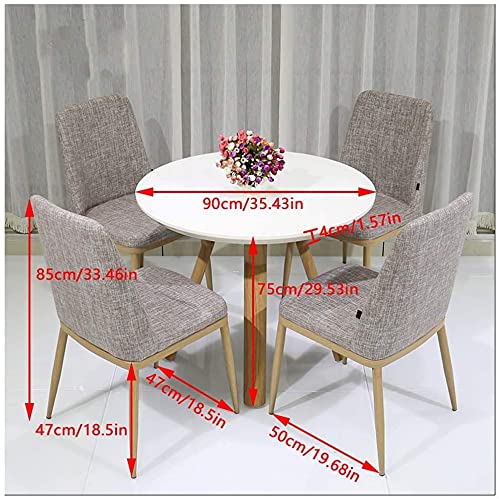
Finally, align your selection with your existing interior architecture. A minimalist, mid-century modern table with tapered legs will complement an airy, Scandinavian-inspired room, whereas a heavy, rustic farmhouse table requires a more substantial setting to feel at home. Don't forget to account for seating. The height of the table must be compatible with the chairs you intend to use. A standard dining height is typically around 30 inches, but always verify this against your chair seat heights to ensure ergonomic comfort during long meals. By balancing these technical specifications with your personal aesthetic, you can select a table that serves as a functional cornerstone of your home for years to come.