Prioritize Absorbency and Ply Count
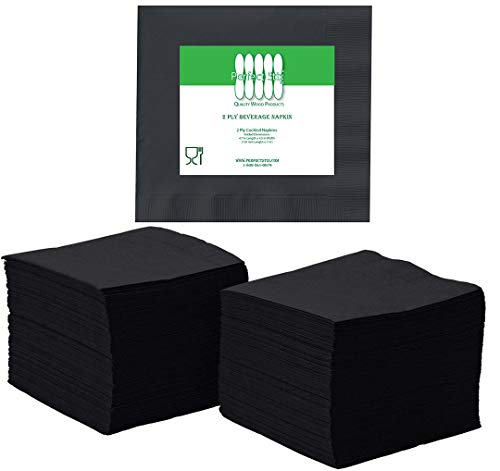
The most critical factor in selecting a disposable napkin is its ability to manage moisture and oils. When shopping, you will encounter various 'ply' counts, which refers to the number of layers of paper pressed together. Single-ply napkins are often sufficient for quick, light snacks or high-volume settings where cost-efficiency is the primary driver. However, for meals involving finger foods, sauces, or greasy appetizers, two-ply or three-ply napkins are vastly superior. A higher ply count increases the surface area for liquid absorption and prevents the napkin from disintegrating or becoming 'mushy' mid-use. If you are hosting a dinner where guests will be handling heavier foods, investing in a multi-ply option ensures that the napkin maintains its structural integrity throughout the meal.
Consider Texture and Hand-Feel
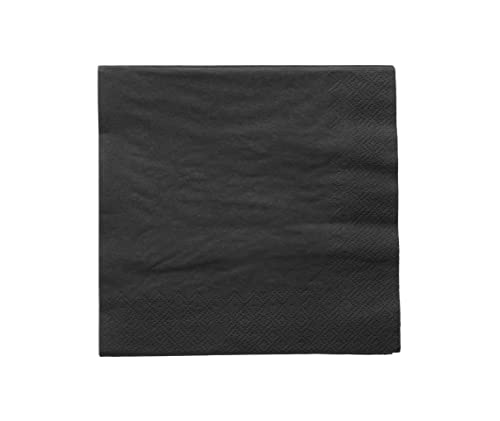
Not all disposable napkins feel the same. There is a significant difference between the rough, utilitarian feel of a standard deli napkin and the soft, quilted texture of a premium guest towel. Texture serves two purposes: aesthetic and functional. Quilted patterns are not just for visual appeal. The indentations in the paper create small pockets that trap liquids more effectively. If you are aiming for a sophisticated atmosphere, look for napkins with a soft, cloth-like finish. These provide a more luxurious experience that mimics linen without the logistical headache of laundering. Conversely, for high-traffic environments like food trucks or quick-service counters, a smoother, more compact texture might be preferable for easy stacking and dispensing.
Size and Shape Matters
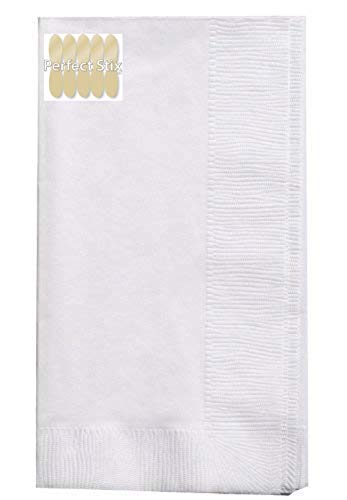
The dimensions of the napkin should be dictated by the type of service you are providing. Small, cocktail-sized napkins are ideal for hors d'oeuvres, drinks, and finger foods where minimal surface area is needed. For standard meal service, you should look for luncheon or dinner-sized napkins. A napkin that is too small becomes a nuisance for guests, forcing them to use multiple sheets to clean up a single spill, which ultimately increases waste. When evaluating options, check the folded dimensions to ensure they fit your napkin dispensers or tabletop displays seamlessly.
Environmental Impact and Material Composition
Modern consumers are increasingly conscious of the environmental footprint left by single-use products. When selecting your napkins, consider the source of the paper. Look for options made from responsibly managed forests or those that utilize recycled fibers. While recycled napkins may sometimes have a slightly different texture or color (often appearing slightly more off-white), they are an excellent choice for eco-conscious events. Additionally, consider the biodegradability of the product. A high-quality, unbleached paper napkin is often easier to compost than one treated with heavy chemical bleaches and synthetic dyes.
Recommendation Logic
To make the final decision, categorize your event first. For casual, high-volume gatherings, prioritize quantity and cost-per-unit with reliable single-ply or standard two-ply options. For formal dining or weddings, prioritize ply count and texture, opting for heavy-duty, quilted, or cloth-like napkins that elevate the table setting. Always err on the side of slightly higher absorbency. It is better to have a napkin that is more absorbent than necessary than one that fails when a guest needs it most.