Prioritize Insulation Material and Loft
The primary job of a cold weather coat is heat retention. When evaluating options, look closely at the filling. Synthetic insulation, such as polyester batting, is the most common choice for generic coats because it retains warmth even if it gets slightly damp from snow or rain. For extreme cold, look for high-loft linings—materials that are thicker and more 'puffy.' This loft creates air pockets that trap body heat. While some premium brands use down, most high-quality generic options use dense synthetic fibers that provide similar thermal benefits without the high price tag or the risk of losing warmth when wet.
Assess Weatherproofing and Outer Shell Durability
Temperature isn't the only enemy. Moisture is often the greater threat. A coat that is warm but absorbs water will eventually become a heavy, freezing weight on your dog. Look for an outer shell labeled as water-resistant or waterproof. A water-resistant shell will bead off light snow, whereas a waterproof shell is necessary if your dog is prone to running through slush or deep puddles. Additionally, check the fabric density. A rugged, ripstop nylon shell is preferable for active dogs who might brush against brambles or frozen brush, as it prevents the insulation from leaking out through tears.
Focus on Ergonomic Fit and Range of Motion
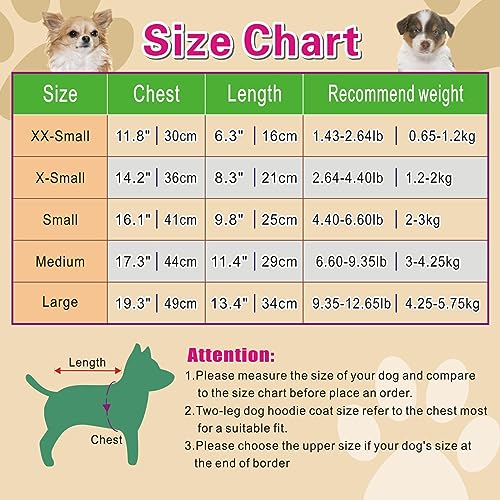
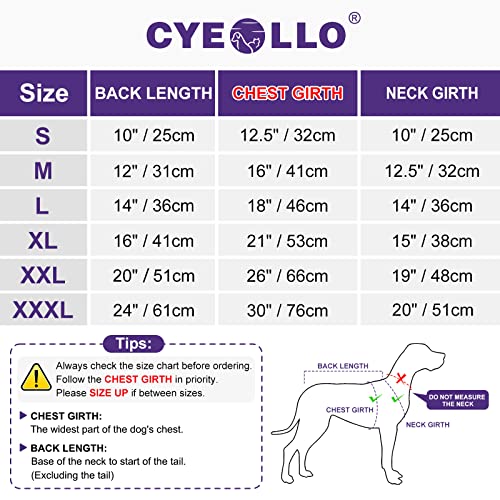
A coat that is too tight will restrict blood flow and movement, while one that is too loose will allow cold air to circulate underneath, rendering the insulation useless. The most critical measurement is the girth of the chest. The coat must sit snugly around the ribcage without pinching. Furthermore, pay attention to the design of the leg openings and the belly coverage. For male dogs, ensure the belly coverage is high enough to prevent soiling, and for all dogs, ensure the hindquarters are sufficiently covered without interfering with their gait. A well-designed coat should feel like a second skin that moves with the dog's natural stride.
Consider Fastening Systems and Safety Features
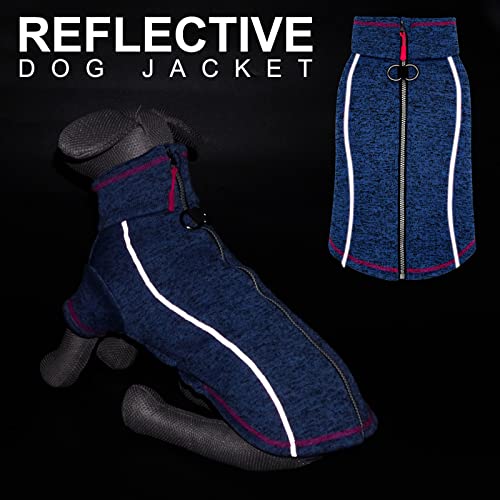
In freezing conditions, you want a fastening system that is easy to operate with gloved hands but secure enough that it won't snag on a leash or a branch. Velcro is convenient for quick adjustments, but heavy-duty zippers or buckle closures are often more reliable in high winds. Additionally, look for reflective piping or integrated LED strips. Winter days are shorter and darker, making visibility a vital safety component during evening walks. Finally, check for a leash portal—a small reinforced slit near the neck that allows you to attach a harness or collar underneath the coat, ensuring the dog remains secure without the coat bunching up around the neck.