Prioritize Fabric Texture and Breathability
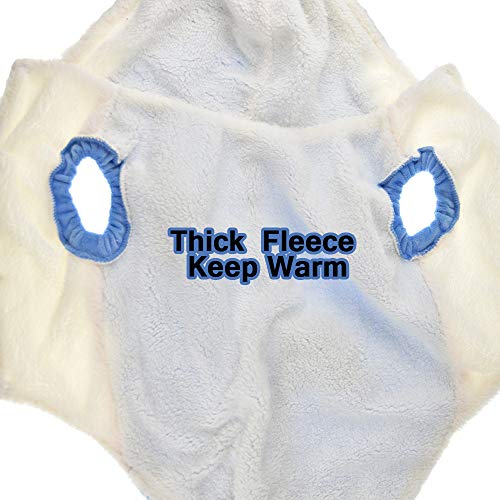
One of the most critical factors when selecting a Fladorepet costume is the material composition. Unlike standard pet clothing, many of these costumes feature layered textures, faux fur, or structural elements to mimic specific characters or creatures. While these details make the costume look impressive, they can sometimes trap heat. When browsing, look for designs that utilize soft, breathable linings. If you are choosing a heavy, multi-layered costume (such as a lion mane or a bulky superhero suit), ensure there are adequate ventilation points. A costume that is too thick can cause a dog to overheat quickly, especially during indoor parties or outdoor festivities. Always check if the interior is lined with a smooth fabric to prevent chafing against the dog's skin.
Evaluate Mobility and Structural Integrity
A great costume is useless if your dog cannot walk, sit, or wag its tail comfortably. Fladorepet designs often incorporate unique shapes—think wings, capes, or headpieces. You must assess how these elements interact with your dog's anatomy. For example, if a costume features a cape, ensure it is attached in a way that doesn't restrict the movement of the shoulder blades. If the costume includes a headpiece, it should be lightweight and secured with a soft elastic band that doesn't press against the eyes or ears. A key testing method is to imagine your dog performing basic tasks: Can they sit without the costume bunching up around their neck? Can they move their legs freely without tripping over the hem? The best costumes are those that become a secondary skin rather than a restrictive shell.
Mastering the Fit and Sizing Logic
Sizing in pet costumes is notoriously tricky because it differs from standard harness or sweater sizing. Fladorepet costumes often have specific silhouettes that require a precise fit to look 'correct.' When selecting a size, do not rely solely on your dog's weight. Instead, use a soft measuring tape to record three vital metrics: the neck circumference (where the collar sits), the chest girth (the widest part of the ribcage), and the back length (from the base of the neck to the base of the tail). If your dog falls between sizes, it is almost always better to size up. A slightly loose costume can be adjusted with a small safety pin or a gentle stitch, but a costume that is too tight can cause genuine physical distress and anxiety for your pet.
Consider Ease of Use and Fastenings
Think about the logistics of the 'dressing process.' Some highly detailed costumes can be difficult to put on, especially for dogs that are wiggly or anxious about being handled. Look for designs that utilize high-quality Velcro closures or easy-snap buttons. Avoid costumes that require you to pull the garment over the dog's head if your pet is sensitive to facial contact. Additionally, ensure that any fasteners are securely attached. You don't want a decorative button or a piece of trim becoming a choking hazard if the dog decides to play rough. A well-designed costume should allow for a quick 'on and off' transition, making the experience stress-free for both you and your furry friend.