Material Durability and Weight Considerations
The first decision factor in selecting a high-quality dog ID tag is the material composition. Most premium tags are crafted from stainless steel or brass, but the weight of these materials matters significantly depending on your dog's size. For a large breed like a Labrador or a German Shepherd, a heavy, thick-gauge stainless steel tag is ideal because it won't bend or dent easily during vigorous activity. However, for toy breeds or small terriers, a heavy tag can become a burden, causing discomfort to the neck or even causing the collar to sag awkwardly. Look for materials that are corrosion-resistant. Since dogs frequently encounter water, mud, and various environmental elements, you need a tag that won't rust or lose its finish after a single walk in the rain.
Legibility and Engraving Depth
A tag is useless if the contact information cannot be read at a glance. When evaluating different tag styles, pay close attention to the engraving method. Deep laser engraving or traditional stamping is far superior to surface printing. Surface printing may look beautiful initially, but it will inevitably rub off due to friction against the collar and exposure to the elements. The most reliable tags feature deep indentations that remain legible even if the tag becomes scratched or slightly worn. When selecting your design, ensure there is high contrast between the background of the tag and the text. A dark-toned metal with light-etched lettering often provides the best visibility for a stranger trying to help your pet in a high-stress situation.
Shape, Size, and Noise Management
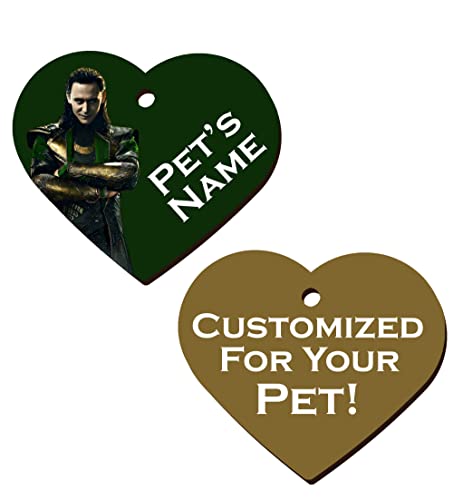
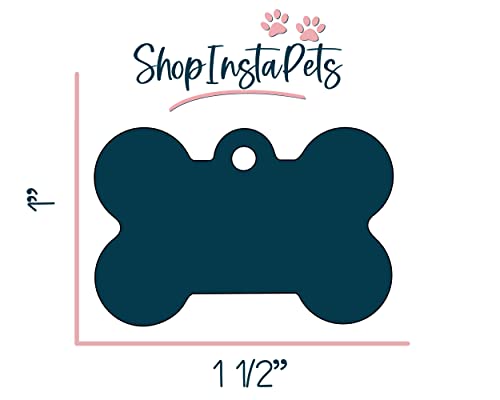
The physical silhouette of the tag plays a role in both comfort and noise. Round or oval tags are the industry standard for a reason: they lack sharp corners that can snag on furniture, bushes, or your own clothing. If you have a high-energy dog that constantly shakes its head, you might also consider the 'noise factor.' Large, dangling tags can create a constant jingling sound that some owners find irritating. To mitigate this, you can look for flatter, more streamlined designs that sit closer to the collar, or pair your tag with a silicone silencer. Always ensure the hole diameter of the tag is large enough to fit your specific collar's rings without forcing it, which can lead to premature wear on the collar material.
Finally, consider how much information you can realistically fit on the tag without sacrificing readability. A common mistake is attempting to cram a home address, multiple phone numbers, and medical alerts into a tiny space. We recommend a hierarchy: your primary phone number should be the largest and most prominent element. Secondary information, such as a secondary contact or a brief medical note (e.g., 'I need meds'), should be smaller. The best tags allow for a clean design that balances decorative elements with life-saving data, ensuring that your pet's personality shines through without obscuring the vital details needed to bring them home safely.