Prioritize Whole-Food Ingredients over Fillers
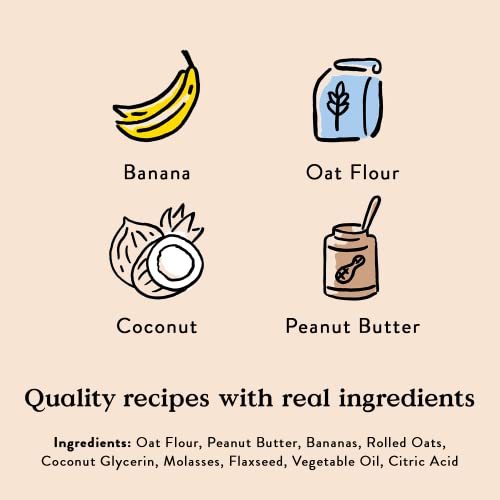
The most critical factor in selecting vegetable jerky is the ingredient list. High-quality treats should feature recognizable, whole vegetables such as sweet potato, beet, carrot, or kale as the primary components. Avoid products that list 'vegetable starch,' 'vegetable meal,' or 'plant protein isolates' as the first few ingredients. These are often highly processed derivatives used to bulk up the product cheaply without providing significant micronutrients. A premium jerky should look like actual pieces of dehydrated produce rather than a uniform, processed slab. Look for treats where the vegetable is the star, not just a flavoring agent.
Analyze the Fiber and Digestibility Factor
While vegetables are inherently healthy, certain types are much harder for dogs to digest than others. For instance, while sweet potato is an excellent source of soluble fiber and is generally well-tolerated, some heavy cruciferous vegetables (like raw broccoli or cabbage) can cause gas if not processed correctly. When shopping, look for treats that utilize gentle dehydration processes. Dehydration preserves the natural enzymes and nutrients of the vegetable while removing moisture, creating that signature chewy texture without the need for artificial binders or thickeners that can lead to upset stomachs or loose stools.
Watch for Hidden Additives and Sodium
Because vegetable-based treats lack the natural savory fats found in meat, manufacturers often attempt to compensate by adding salt, sugar, or artificial flavor enhancers to make them more palatable to dogs. This is a significant red flag. High sodium intake can be detrimental to dogs with heart or kidney concerns, and added sugars can contribute to obesity and dental issues. A superior vegetable jerky will rely on the natural sweetness of carrots or the earthy richness of mushrooms rather than chemical additives. Always scan the label for 'cane sugar,' 'corn syrup,' or excessive sodium levels.
Consider Texture and Training Utility
The 'utility' of the treat depends on how you plan to use it. If you are using the jerky for intensive training sessions, you want a treat that is easy to break into smaller, pea-sized pieces. Large, thick strips of dehydrated beet or sweet potato can be difficult to partition quickly, which can break a dog's focus during a command. If you prefer a treat for long-lasting enrichment, look for tougher, more fibrous textures that encourage chewing. Understanding whether you need a 'high-frequency training snack' or a 'leisurely reward' will dictate the thickness and density you should look for in the packaging.
Caloric Density and Portion Control
Vegetable jerky is often more calorie-dense than fresh vegetables because the water content has been removed. While it is a much healthier alternative to processed rawhide or grain-heavy biscuits, it is still a treat and should not exceed 10% of your dog's daily caloric intake. When comparing products, check the feeding instructions to see how many pieces constitute a standard serving. If a treat is extremely concentrated, you may find yourself feeding much less than you expect, which is a sign of a high-quality, nutrient-dense product.