Prioritize Fabric Composition and Thermal Density
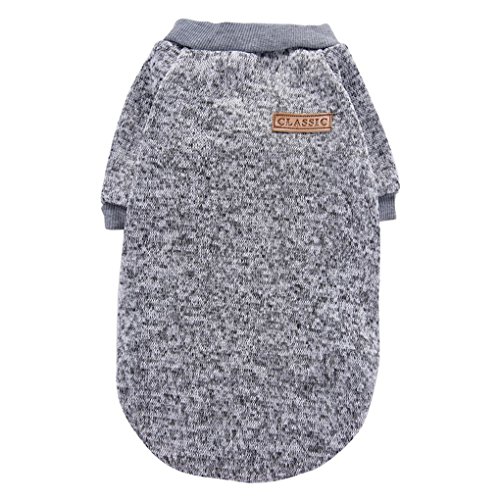
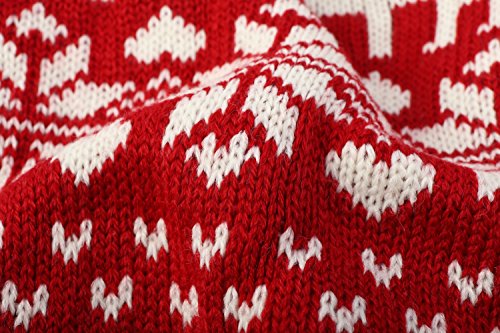
The primary purpose of a dog sweater is heat retention. When evaluating lanyarco options, look closely at the knit density. A loosely woven sweater might look charming, but it allows wind to penetrate the fibers, rendering it ineffective in truly cold weather. High-quality knitwear typically utilizes acrylic blends or soft cotton mixes that provide warmth while remaining breathable. Breathability is crucial. You want a sweater that traps body heat but allows moisture from the skin to evaporate. If the fabric is too synthetic or non-breathable, your dog may end up feeling damp and uncomfortable, which can actually lead to a chill.
The Critical Importance of Anatomical Fit
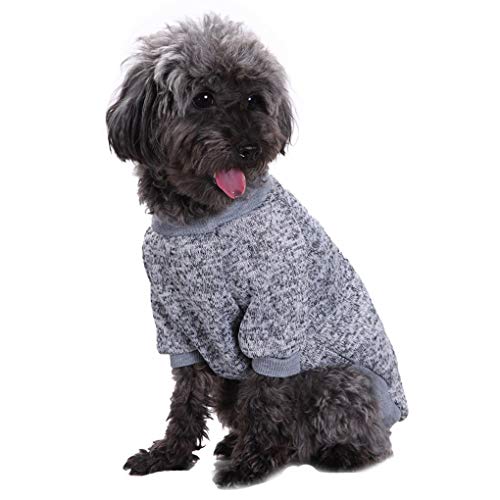
Unlike human sweaters, which can be oversized for a 'cozy' look, dog sweaters must follow the specific contours of a canine's body. A sweater that is too tight around the chest can restrict breathing and movement, while one that is too loose can trip the dog or snag on furniture. When selecting a size, pay special attention to the 'girth' measurement—the widest part of the ribcage. This is the most important metric for a comfortable fit. Additionally, consider the length from the base of the neck to the base of the tail. A sweater that is too long can interfere with the dog's ability to relieve itself, while one that is too short will leave the core exposed to the elements.
Consider Ease of Entry and Exit
Even the most beautiful sweater is a failure if it becomes a struggle to put on. Dogs are notoriously sensitive about their limbs and heads being manipulated. Look for designs that feature high-stretch necklines or specialized openings that allow the sweater to slide over the head without excessive pulling. Some styles incorporate subtle elasticity in the leg openings to ensure the sweater stays in place during active play. If your dog is particularly anxious during grooming or dressing, prioritize sweaters with a more generous stretch factor to minimize the time spent during the dressing process.
Durability and Maintenance Requirements
Dog sweaters are subject to a high level of wear and tear. They encounter dirt from the ground, moisture from rain, and the natural oils from your pet's coat. When choosing a sweater, consider how it will hold up after multiple wash cycles. Look for reinforced stitching around the armholes and neckline, as these are the primary stress points. Furthermore, check the care instructions. Because many high-quality knits are delicate, you should decide if you are comfortable with hand-washing or if you require a piece that can withstand a gentle machine cycle. A sweater that pills or loses its shape after two weeks of use is not a worthwhile investment.
Style vs. Functionality
Finally, match the aesthetic to your dog's lifestyle. For indoor use or light autumn strolls, a lighter-weight knit with decorative patterns is sufficient. However, for outdoor adventures or winter climates, prioritize heavy-gauge knits and solid, insulating structures. While patterns and colors are fun, remember that a functional sweater should prioritize the thermal needs of your pet above all else.