Material Durability and Tactile Feedback
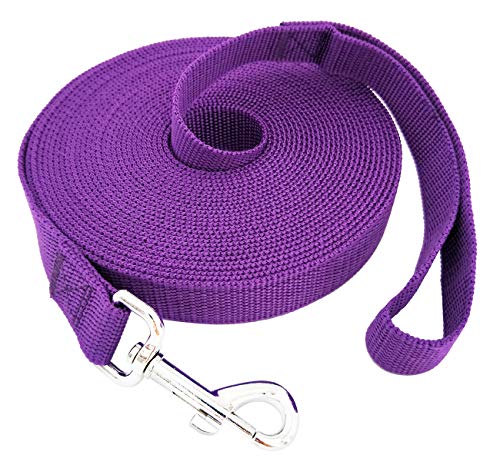
The first consideration when selecting a training leash is the material. Unlike casual leisure leashes, a training tool must withstand sudden tension and repetitive use. Biothane is a rising favorite in the professional training community because it is waterproof, easy to sanitize, and provides a consistent grip even when wet. If you are working in high-distraction environments, a heavy-duty nylon webbing is a reliable, classic choice that offers excellent tensile strength. However, pay attention to the texture. A leash that is too slick can slip through your fingers during a sudden pull, whereas a slightly textured surface allows for the micro-adjustments necessary for fine-tuned communication.
Length and Versatility for Different Training Stages
The length of the leash dictates the type of training you can effectively perform. For foundational obedience and house training, a standard 4-to-6 foot leash is ideal. It keeps the dog within your immediate personal space, allowing for close proximity and immediate reinforcement. As you move into advanced recall training, you will need a long line—typically ranging from 15 to 50 feet. A long line allows the dog to explore and practice distance commands while still being tethered to your guidance. When shopping, look for leashes that offer versatility, such as those with adjustable handles or dual-clip systems that allow you to convert a long line into a shorter training lead.
Hardware Strength and Attachment Security
A leash is only as strong as its weakest link, which is almost always the hardware. For training purposes, avoid lightweight plastic clips or thin aluminum carabiners. Instead, look for heavy-duty brass, stainless steel, or zinc alloy hardware. The snap hook should feature a high-tension spring to ensure it doesn't accidentally pop open when the dog lunges. Furthermore, consider the attachment point on the leash itself. Reinforced stitching at the junction where the leash meets the clip is non-negotiable. If you are training a large, powerful breed, the hardware must be rated for high-impact loads to prevent catastrophic failure during a sudden burst of energy.
Weight and Handle Ergonomics
While it may seem counterintuitive, a training leash should not be excessively heavy. A leash that is too cumbersome can fatigue your arm during long training sessions, leading to sloppy handling and inconsistent cues. However, it must have enough 'heft' to be felt by the dog. The handle design is equally critical. An ergonomic, padded handle can prevent rope burn and hand fatigue, allowing you to focus entirely on your dog's body language rather than your own discomfort. Look for designs that allow for a secure grip even when you are performing quick, corrective movements.Recommendation Logic
When making your final decision, match the leash to your dog's size and your specific training goal. For puppy socialization and basic manners, prioritize a lightweight, short nylon leash with a comfortable grip. For working breeds or dogs with high prey drive, invest in a heavy-duty Biothane long line. Always prioritize hardware quality over aesthetic design. A beautiful leash that breaks under pressure is a liability, not a tool.