Material Integrity and Weather Resistance
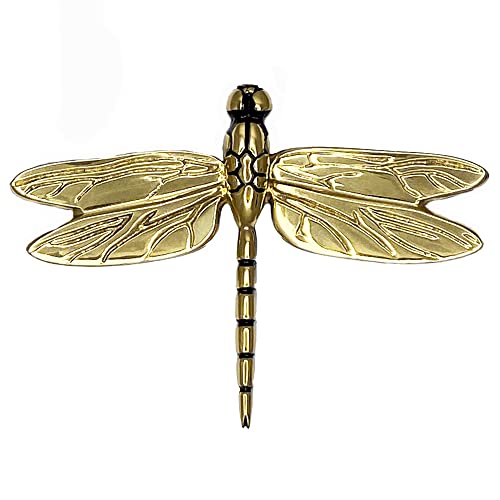
When selecting a premium knocker, the material is the most critical factor for longevity. Because these pieces are exposed to the elements, you must consider how the metal will react to humidity, rain, and temperature fluctuations. Solid brass is the gold standard for high-end hardware. It is naturally corrosion-resistant and develops a beautiful, storied patina over time. If you prefer a darker, more antique look, bronze is an exceptional choice, as it offers incredible durability and a heavy, substantial feel. Avoid lightweight alloys or plated plastics, which may look impressive in a showroom but will quickly chip, fade, or rust when exposed to outdoor conditions. A heavy, solid-cast piece ensures that the knocker feels significant in the hand and will last for decades rather than seasons.
Acoustics and Impact Quality
The primary function of a knocker is to make a sound, and not all sounds are created equal. A high-quality knocker should produce a clear, resonant strike rather than a dull thud. This is determined by the density of the metal and the way the striking mechanism interacts with the mounting plate. When browsing designs, consider the 'voice' of the knocker. A heavy ring or lion head design typically offers a deep, authoritative tone that carries well, whereas smaller, more delicate ornamental pieces may produce a lighter, more subtle sound. If you live in a large house where the entrance is set back from the street, prioritize a design with enough mass to ensure the sound reaches the interior of the home.
Scale, Proportion, and Visual Impact
A common mistake is selecting a knocker that is either too diminutive for the door or so large that it overwhelms the architectural details. To find the perfect balance, look at the total surface area of your door. A grand, double-door entrance can accommodate large, ornate sculptural knockers, whereas a narrow, modern door might be better served by a more streamlined, minimalist design. You should also consider the color and texture of your door material. A dark wood door provides a stunning backdrop for bright, polished brass, while a painted door might pair better with an oil-rubbed bronze finish to create a sophisticated contrast. Aim for a piece that acts as a focal point without appearing cluttered.
Installation and Mounting Considerations
Before finalizing your purchase, evaluate how the knocker will be attached to your specific door type. Solid wood doors are the easiest to work with, allowing for deep, secure mounting. However, if you have a composite, metal, or glass-paneled door, you must ensure the hardware is compatible and that the mounting method won't compromise the door's structural integrity. Look for hardware that includes all necessary mounting components, such as heavy-duty screws or specialized bolts, to ensure the weight of the metal is evenly distributed and won't cause the door to sag or the knocker to loosen over time.