Understanding Mechanical Compatibility and Fit
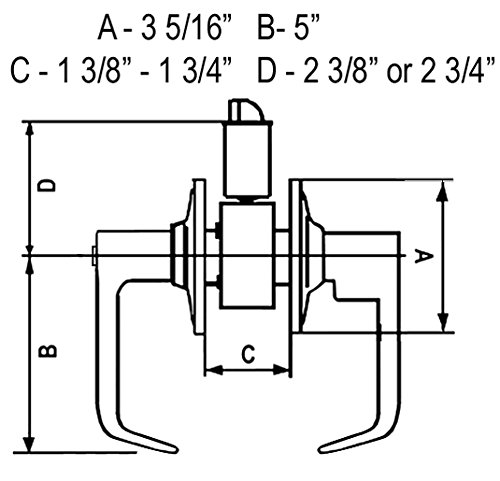
Before focusing on aesthetics, you must ensure the lever is compatible with your existing door architecture. The most critical measurement is the backset—the distance from the edge of the door to the center of the handle. Most modern doors are designed for standard backsets, but older homes may require specific adjustments. Additionally, pay close attention to the door thickness. A lever designed for a standard 1 3/8-inch door may not function correctly on a heavy, solid-core door that measures 1 3/4 inches or more. Always verify that the latch mechanism is rated for the specific type of door you are installing to prevent jamming or premature wear.
Material Composition and Durability
The longevity of an ebuilderdirect lever is heavily dictated by its core material. High-quality levers are typically constructed from solid brass or stainless steel, which offer superior resistance to corrosion and structural fatigue. If you are selecting hardware for a bathroom or a high-humidity environment, stainless steel is non-negotiable to prevent rust. For high-traffic areas, such as a main entryway or a kitchen, look for levers with reinforced internal springs. A lever that feels 'spongy' or fails to snap back to a level position after being pressed is a sign of a weak spring mechanism that will eventually lead to a permanent sag.
Finish Selection and Maintenance
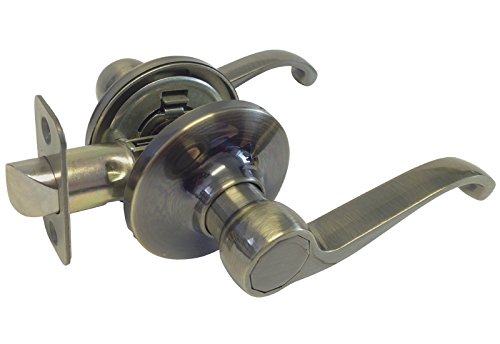
The finish of your lever does more than just match your decor. It determines how much maintenance the hardware will require. Matte black finishes offer a contemporary, architectural look but can sometimes reveal fingerprints and oil buildup more readily than metallic finishes. Conversely, brushed nickel or satin chrome options are excellent for hiding smudges and water spots, making them ideal for family homes. When choosing a finish, consider the 'living' aspect of the metal. Some finishes are designed to patina over time, while others are electroplated to remain static. For a low-maintenance lifestyle, opt for a high-quality PVD (Physical Vapor Deposition) coating, which provides an incredibly hard, scratch-resistant surface.
Ergonomics and Accessibility
One of the primary reasons to choose a lever over a knob is accessibility. Levers are significantly easier to operate for children, the elderly, or anyone with limited hand strength or mobility. When evaluating a lever, consider the grip diameter and the texture of the surface. A lever that is too thin may be difficult to grasp, while one that is too wide might feel awkward in smaller hands. A slight ergonomic curve or a knurled texture can provide much-needed traction, ensuring the handle remains easy to use even when hands are wet or soapy.
Security and Locking Mechanisms
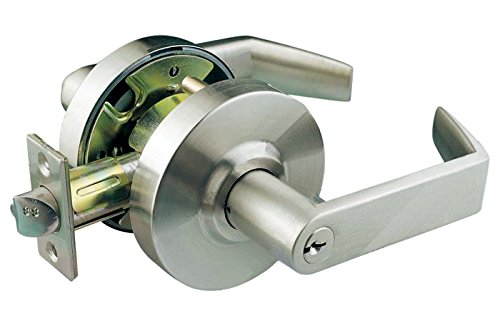
Finally, decide whether you need a privacy lever or an entry lever. Privacy levers are designed for bathrooms and bedrooms, featuring a mechanism that can be released from the outside in case of an emergency. Entry levers, however, are intended for exterior doors and include integrated locking cylinders. If you are looking for high security, ensure the lever features a deadlocking function that prevents the latch from being retracted by a simple tool or a forced turn of the handle.