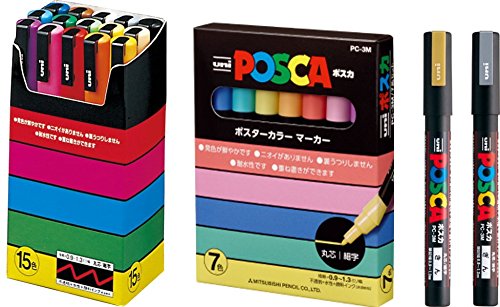
Understanding Tip Sizes and Nib Types
The most critical decision you will make when purchasing these markers is selecting the correct nib size. Because these are acrylic-based, the flow of the ink is directly tied to the diameter of the tip. Generally, you will encounter three main categories of nibs:
- Extra Fine/Fine Nibs: These are ideal for detailed linework, outlining, and adding intricate textures to your drawings. If you are working on small surfaces like phone cases or miniature models, these are non-negotiable.
- Medium Nibs: These serve as the workhorse of any collection. They offer a balance between coverage and control, making them perfect for filling in shapes and layering colors without losing too much precision.
- Broad/Extra Broad Nibs: These are designed for high-impact coverage. If your goal is to paint large blocks of color or work on expansive surfaces like plywood or large canvases, a broad nib will save you significant time and prevent the ink from drying out mid-stroke.
Color Palette and Pigment Density
While it is tempting to buy a massive set with every color imaginable, smart buyers look at the composition of the set. A high-quality selection should prioritize a strong foundation of primary colors, essential neutrals (black and white), and a variety of skin tones or earthy hues depending on your specific art style. Keep in mind that because these are opaque, you can layer light colors over dark colors once the first layer is dry, but this is much harder to do with translucent markers. Look for sets that emphasize high pigment density, ensuring that your colors remain vibrant even when applied to dark or textured substrates.
Surface Compatibility and Ink Behavior
Before committing to a large purchase, consider your primary medium. While these markers are famous for being 'multi-surface,' the way the ink behaves varies. On highly absorbent surfaces like watercolor paper, the ink will lay flat and matte. On non-porous surfaces like glass or polished metal, you may need to work more quickly to manage the drying time to avoid streaking. If you plan on working on outdoor projects, ensure the ink is rated for durability, though most artists recommend applying a clear sealant once the work is finished to protect the acrylic layer from UV rays and moisture.
Set Composition vs. Individual Purchases
For beginners, purchasing a curated set is often the most cost-effective route. Sets are typically organized by color families or tip sizes, providing a logical progression for learning color theory. However, as you become more proficient, you will likely find that you run out of certain colors (like white or black) much faster than others. At this stage, transitioning to buying individual markers allows you to customize your toolkit to your specific aesthetic needs, ensuring you never run out of your most-used shades mid-project.