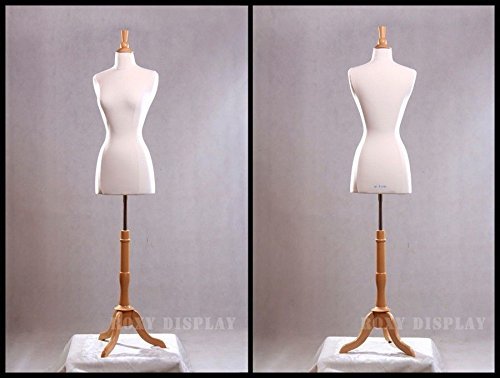
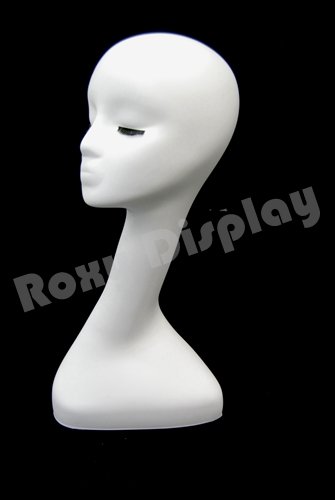
The first decision you must make is whether your primary goal is retail presentation or technical garment construction. Roxy offers variations that cater to both. Display forms are typically designed with a focus on aesthetics—often featuring elegant fabric finishes like linen or velvet that complement a boutique's interior design. These are ideal for showing off the 'fall' of a finished piece. Conversely, if you intend to pin, drape, and sew directly onto the form, you must prioritize structural integrity. A draping-specific form will often have a more robust internal core and a surface texture that accepts pins without tearing, allowing for the precision required in pattern making.
Sizing and Anatomical Accuracy
One of the most common pitfalls in purchasing a mannequin is selecting a size that does not align with your target demographic. For retail, you want a form that represents your average customer's silhouette to ensure the clothing looks relatable and aspirational. For designers, accuracy is paramount. Look for forms that provide realistic bust, waist, and hip measurements. Pay close attention to the 'depth' of the form. Some mannequins are slightly flattened for easier storage or specific display styles, but if you are working on bespoke tailoring, you need a form with realistic anatomical curves to ensure the garment fits a human body correctly once removed from the stand.
Base Stability and Height Adjustability
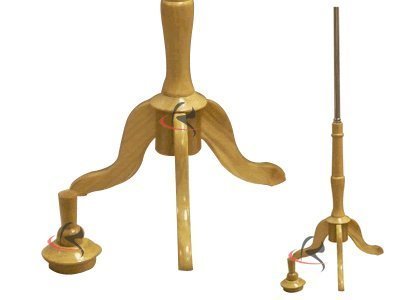
A dress form is only as good as its support system. When evaluating Roxy models, examine the base closely. A heavy, wide-diameter metal base is essential if you plan to work on the form, as it prevents the mannequin from tipping when you apply tension while pinning fabric. For retail displays, a sleek, minimalist tripod or a heavy pedestal base might be preferred to keep the focus on the clothing. Additionally, consider the adjustability of the neck cap and the height of the stand. Being able to raise or lower the form allows you to work at an ergonomic level, preventing back strain during long sewing sessions, and allows you to adjust the visual height for different window display tiers.
Material Durability and Maintenance
The outer covering of your dress form dictates both its longevity and its ease of use. Fabric-covered forms provide a warm, high-end look and are excellent for pinning, but they can attract dust and may require occasional steaming to maintain a crisp appearance. Plastic or hard-shell forms are incredibly easy to wipe clean and are virtually indestructible, making them perfect for high-traffic retail environments where garments are frequently moved on and off the form. If you choose a fabric model, ensure the material is high-density to prevent 'poking' where the internal structure might telegraph through the cloth.
Summary of Recommendation Logic
To make your final selection, follow this logic: If you are a retailer, prioritize aesthetic finish, base stability for heavy garments, and a size that matches your customer base. If you are a designer or seamstress, prioritize anatomical accuracy, pin-friendly fabric surfaces, and height adjustability for ergonomic workflow. By aligning your purchase with these specific functional needs, you ensure that your Roxy dress form becomes a long-term asset to your creative or commercial process.