Material Composition and Surface Durability
The most significant factor in your decision is the substrate material. In a restaurant, you will encounter two primary types: melamine and magnetic steel/aluminum. Melamine sheets are lightweight and budget-friendly, making them ideal for temporary signage or low-traffic areas like back-office scheduling. However, they are prone to staining over time. For high-use environments like the pass or the prep station, look for porcelain-on-steel or high-pressure laminate surfaces. These materials are non-porous and offer superior resistance to the chemical cleaners used in food service. If you need to attach magnetic clipboards or order magnets to your board, ensure the sheet has a magnetic backing. Otherwise, you will be limited to adhesive-based solutions.
Size, Portability, and Mounting Options
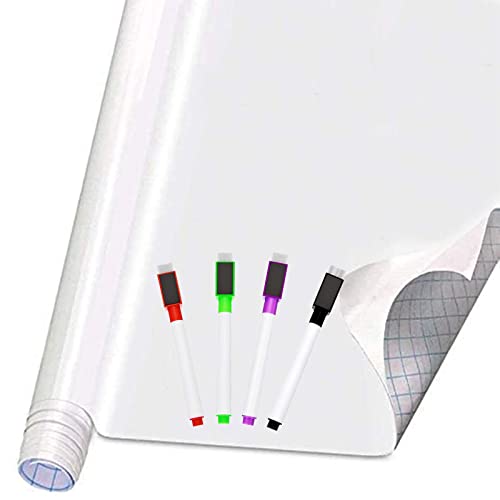
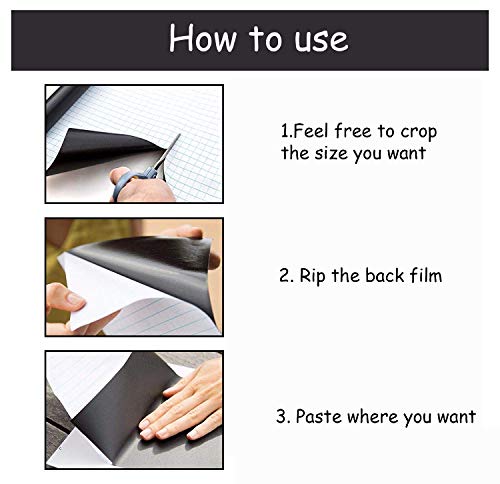
Before purchasing, map out exactly where the sheet will live. If the board is intended for the kitchen wall to display the daily menu, a large-format, rigid sheet is best. However, if you need to move information between the walk-in cooler and the line, consider flexible dry erase sheets. These thin, vinyl-based sheets can be adhered to refrigerator doors, stainless steel surfaces, or even clipboards. For wall mounting, check if the product comes with pre-drilled holes or if it requires heavy-duty mounting tape. In a kitchen where heat and steam are constant, adhesive-only options may fail, so mechanical mounting is often preferred for permanent installations.
Resistance to 'Ghosting' and Staining
In a restaurant, dry erase boards are often written on heavily and erased frequently throughout a single shift. 'Ghosting' occurs when the pigment from the marker seeps into the microscopic pores of the board. To avoid this, prioritize boards specifically marketed as 'low-maintenance' or 'non-ghosting.' High-quality glass dry erase sheets are the gold standard for preventing stains, as glass is completely non-porous. While glass is more expensive and heavier, it provides a premium look for front-of-house displays and will never retain old ink, ensuring your daily specials always look clean and professional.
Ease of Cleaning and Hygiene Compliance
Food safety is paramount. Your dry erase sheets should be easy to sanitize. Avoid sheets with deep textures or decorative borders that can trap grease and food particles. A smooth, flat surface is easier to wipe down with food-safe sanitizers. If you are using these sheets in a prep area, ensure the material is non-absorbent so it doesn't harbor bacteria. A sheet that requires specialized, expensive cleaning sprays is a liability in a fast-paced kitchen. Look for surfaces that respond well to standard microfiber cloths and mild soap.
Recommendation Logic
When deciding, follow this logic: If you are decorating a dining room feature wall, invest in glass. If you need to track prep lists on a fridge, go with flexible magnetic vinyl. If you need a rugged, permanent command center for the kitchen manager, opt for a porcelain-on-steel magnetic board. Avoid thin melamine if you expect to use the board daily, as the cost savings will be lost when the board becomes unreadable within a few months.