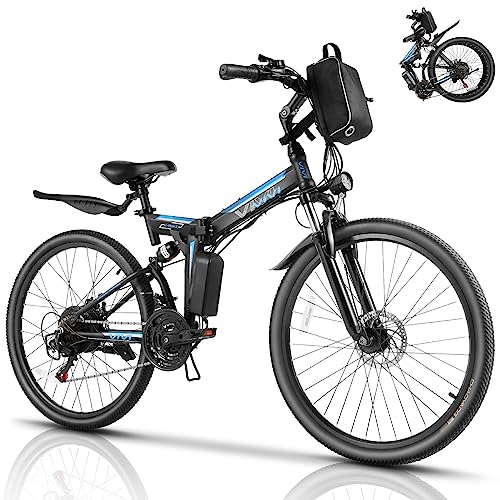
Understanding Motor Types and Placement
The motor is the heart of your electric bicycle, and its placement dictates how the bike feels under pedal power. You will generally encounter two types: hub motors and mid-drive motors. Hub motors are located within the center of the front or rear wheel. They are typically more affordable, easier to maintain, and provide a direct sensation of speed. They are excellent for casual cruising and flat commutes. Mid-drive motors, however, are located at the crank (where the pedals meet the frame). These motors drive the chain directly, allowing the bike to leverage the existing gears. This makes mid-drives superior for steep hills and off-road terrain, providing a more natural, balanced riding experience, though they usually come at a higher price point.
Battery Capacity and Range Expectations
When evaluating an e-bike, do not just look at the maximum range advertised. Look at the Watt-hours (Wh). The Wh rating is a more accurate measure of the battery's total energy capacity. A higher Wh rating generally translates to longer distances, but it also adds weight to the bike. Consider your typical riding profile: if you are a short-distance commuter, a smaller, lighter battery might suffice. If you plan on long weekend excursions, prioritize a high-capacity battery. Additionally, check for 'removable' battery features, which allow you to charge the power cell indoors without bringing the entire bicycle into your home.
Drive Systems and Assistance Levels
Electric bikes assist your pedaling in two primary ways: Cadence sensors and Torque sensors. Cadence sensors act like an on/off switch. Once they detect you are pedaling, the motor kicks in with a set amount of power. This is common in budget-friendly models but can feel 'jerky.' Torque sensors are more sophisticated, measuring how hard you are pushing on the pedals and matching your effort with proportional power. This results in a much smoother, more intuitive ride. When shopping, decide if you want a bike that feels like a motorized scooter (cadence-heavy) or a bike that feels like you have superhuman leg strength (torque-heavy).
Braking Systems and Safety Essentials
Because electric bicycles are heavier and travel at higher speeds than standard bikes, stopping power is non-negotiable. Avoid bikes that rely solely on rim brakes (v-brakes) if you plan on riding in wet conditions or on descents. Instead, prioritize hydraulic disc brakes. These provide significantly more stopping force with less hand effort and maintain consistent performance even when the rotors are wet. Furthermore, ensure the bike features integrated lighting and reflective elements, as the increased speed of an e-bike makes visibility a critical safety factor.
Frame Geometry and Intended Use
Finally, match the frame style to your environment. Step-through frames are ideal for riders who prioritize ease of mounting and dismounting, or for those wearing restrictive clothing. Hardtail mountain e-bikes, featuring front suspension, are best for gravel paths and light trails. If you are looking for a smooth ride on paved city streets, look for models with front or full suspension to dampen the vibrations from potholes and uneven pavement.