Material Composition and Visual Realism
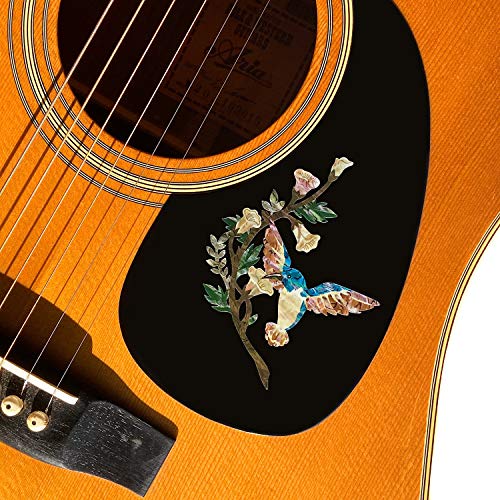
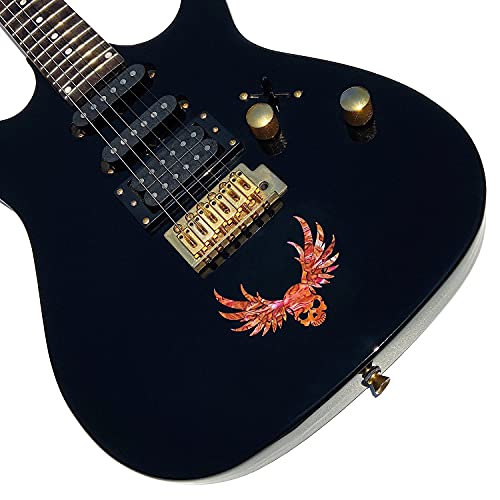
The primary reason to invest in inlay stickers is visual impact. When browsing options, you must distinguish between simple printed vinyl and high-fidelity composite materials. High-quality stickers often utilize a multi-layered approach: a base layer of reflective foil or pearlescent film topped with a high-resolution printed pattern. If you are aiming for a vintage aesthetic, look for materials that replicate the 'iridescence' of natural shell. These materials shift colors as you tilt the neck under stage lights. Conversely, if you want a modern, minimalist look, matte-finish synthetic materials are preferable as they prevent unwanted glare during performances.
Tactile Feel and Fretboard Interaction
One of the most overlooked aspects of inlay stickers is how they feel during technical playing. As a guitarist, your fingertips will frequently glide over the fretboard. If the sticker material is too thick or has raised, sharp edges, it will create 'hiccups' in your technique, particularly during bends or vibrato. Look for 'ultra-thin' or 'low-profile' materials. The best options are those that use a specialized adhesive that allows the material to conform closely to the wood grain, creating a nearly seamless transition between the sticker and the fretboard surface. Avoid thick, rigid plastics that feel like stickers on a laptop. You want something that feels integrated into the ebony or rosewood.
Durability and Environmental Resistance
Guitar fretboards are subject to significant wear, sweat, and temperature fluctuations. A low-quality material will peel at the edges or discolor after a few months of heavy use. When selecting a material, prioritize those labeled as 'oil-resistant' and 'sweat-proof.' Since your hands naturally produce oils and moisture, the sticker must be able to withstand constant contact without the edges curling. Additionally, consider the 'edge-seal' quality. High-end materials are often laser-cut to ensure that the edges are smooth and less prone to catching on your skin or lifting due to humidity changes.
Adhesive Strength vs. Removability
The logic behind choosing inlay stickers is often the ability to revert to the original state. However, there is a fine line between an adhesive that stays put and one that leaves a gummy residue. Look for materials that utilize 'pressure-sensitive adhesives' (PSA). These provide a strong bond that stays flat against the wood but can be removed with a bit of heat (like a hair dryer) without stripping the finish or leaving a permanent mess on your fretboard. If you plan on changing your guitar's look frequently, the ease of removal is just as important as the visual quality of the material itself.
Summary Recommendation Logic
To make your final decision, follow this hierarchy: First, define your aesthetic (Pearlescent for classic, Matte for modern). Second, prioritize thickness (thinner is always better for playability). Third, verify durability (ensure it is rated for high-contact use). If a product meets all three, you have found a professional-grade inlay solution.