Understanding Material Composition and Texture
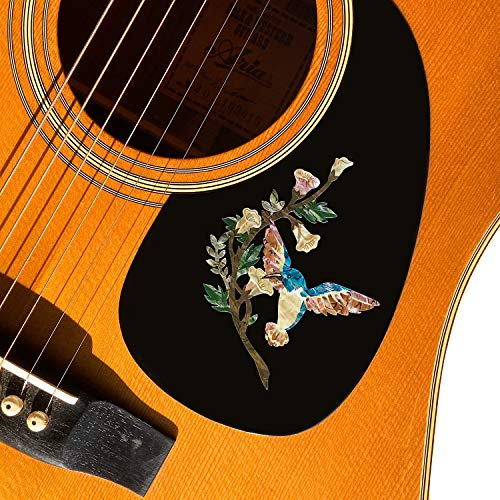
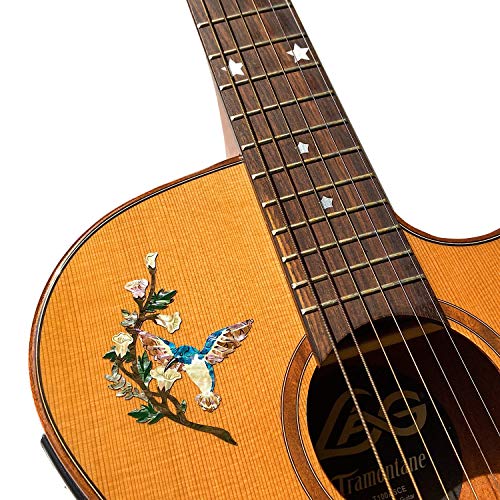
When browsing for inlay materials, the first thing to consider is the substrate. High-quality inlay stickers are rarely just flat printed paper. They are typically composed of thin, flexible layers of specialized vinyl or polymer designed to mimic the refractive index of real shell or wood. If you are looking for a 'wood inlay' look, look for materials that feature a micro-textured surface. A smooth, glossy sticker will reflect light in a way that screams 'plastic,' whereas a matte or semi-gloss finish with simulated grain will catch the light like actual ebony or rosewood strips. For those seeking a luxury aesthetic, look for multi-layered materials that offer a three-dimensional depth, simulating the way light passes through natural abalone.
Compatibility with Fretboard Surfaces
The success of your customization depends heavily on the surface you are applying the material to. Most electric guitar fretboards are made of rosewood, ebony, or maple. If you have a dark, oily wood like rosewood, you must ensure the adhesive on your inlay material is specifically rated for porous surfaces. Some low-grade stickers will struggle to bond with the natural oils of the wood, leading to peeling at the edges. Conversely, if you are applying these to a maple board, the material must be thin enough to sit flush against the surface so that it doesn't interfere with your finger positioning or feel 'bumpy' during bends and vibrato.
Visual Authenticity and Light Refraction
The primary goal of an inlay is to add elegance. To achieve this, pay close attention to how the material handles light. Real shell inlays (like pearl or abalone) have a 'chatoyancy'—a shimmering effect that changes as you tilt the guitar. When selecting an inlay sticker, look for descriptions mentioning 'iridescent' or 'holographic' properties that are subtle rather than garish. If you are aiming for a wood-on-wood look, such as maple inlays on an ebony board, ensure the grain pattern of the sticker is directional and realistic. A repetitive, computer-generated grain pattern will be immediately obvious to anyone looking closely at your instrument.
Durability and Maintenance Considerations
An electric guitar is a high-friction instrument. Your fingers, sweat, and even the occasional accidental strike from a pick will interact with the inlay. Avoid materials that are prone to 'edge curl.' The best inlay materials feature a thin, tapered edge that allows the material to blend seamlessly into the wood. Additionally, consider the ease of cleaning. Since inlays sit in the grooves or on the surface of the fretboard, they can collect skin oils and dust. Choose materials that are resistant to chemical degradation from standard guitar polishes and fingerboard conditioners, ensuring your custom look lasts as long as the instrument itself.
Recommendation Logic: How to Choose
To make your final decision, follow this logic: If you want a classic, high-end look, prioritize multi-layered iridescent materials that mimic shell. If you want a modern, boutique aesthetic, prioritize wood-grain textures that offer a matte finish. Always prioritize 'thin-profile' materials to ensure playability remains uncompromised. Finally, if your fretboard is dark and oily, prioritize high-tack adhesives to prevent future lifting.