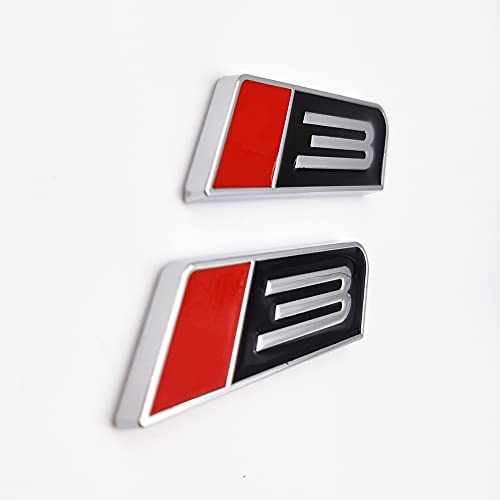
Material Composition and Durability
When browsing for emblems, the first thing you must consider is what they are made of. Automotive environments are brutal. Emblems are subjected to UV radiation, extreme temperature fluctuations, acid rain, and high-pressure car washes. Avoid low-grade, thin plastics that tend to warp or discolor under direct sunlight. Instead, look for high-impact ABS plastic with a chrome-plated finish or solid zinc alloy components. Metal emblems provide a premium weight and a 'cold-to-the-touch' feel that signifies quality, whereas high-grade ABS is often better for complex, three-dimensional shapes that require intricate detailing without the weight penalty.
Finish and Aesthetic Integration
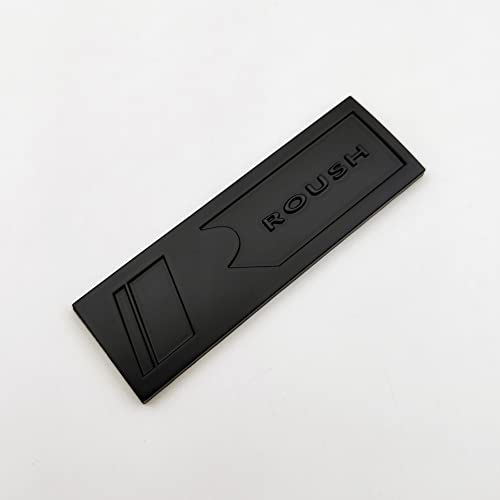
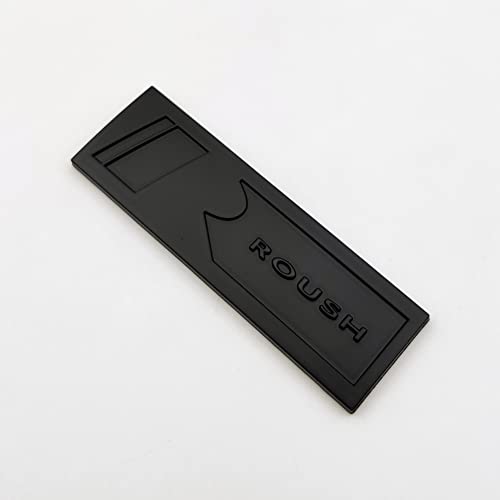
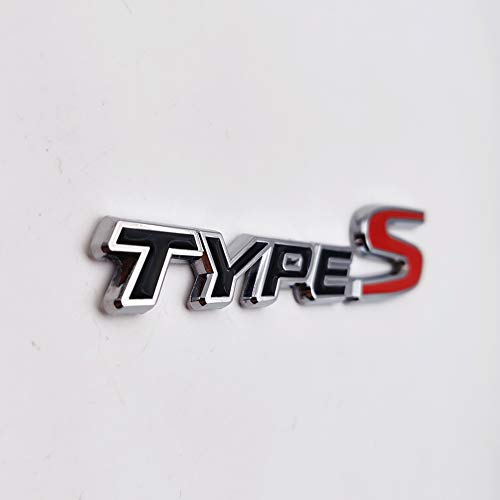
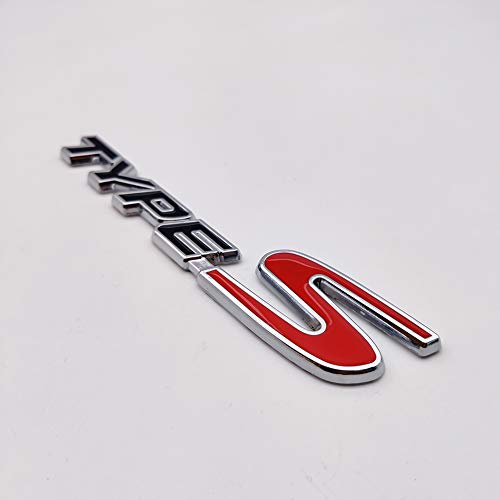
An emblem can either enhance your vehicle's lines or clash violently with them. You need to match the 'finish' of the emblem to your existing trim. If your vehicle features blacked-out accents, a matte black or carbon fiber textured emblem will provide a seamless, stealthy look. Conversely, if you have chrome bumpers and window surrounds, a high-gloss polished chrome emblem is the standard choice for a cohesive, factory-plus appearance. Pay close attention to the level of detail in the casting or molding. Cheap emblems often have rounded, 'mushy' edges, whereas premium options feature crisp, sharp lines that catch the light effectively.
Mounting Mechanisms: Adhesive vs. Mechanical
How the emblem attaches to your vehicle determines both the ease of installation and the longevity of the look. Most modern aftermarket emblems utilize automotive-grade acrylic adhesive tape. This is ideal because it allows for a slight amount of flexibility and doesn't require drilling holes into your bodywork. However, not all adhesives are created equal. Look for emblems that come pre-applied with high-bond, weather-resistant double-sided tape. If you are looking for a more permanent, heavy-duty installation for off-road vehicles, you might prefer mechanical mounting, though this is much more invasive. For most enthusiasts, a high-quality adhesive backing is the gold standard, provided the surface is properly prepped with isopropyl alcohol before application.
Size and Scale Proportions
One of the most common mistakes in emblem customization is choosing a size that is disproportionate to the mounting surface. A massive emblem on a compact car's trunk can look gaudy and unbalanced, while a tiny emblem on a large truck grille may disappear entirely. Before purchasing, use a piece of masking tape to outline the dimensions of the emblem on your vehicle. This 'mock-up' phase is crucial for visualizing how the emblem will sit within the existing contours of your car's bodywork. Ensure that the emblem does not overlap any sensors, cameras, or trim lines that are essential to the vehicle's function.
Weather Resistance and UV Stability
Finally, ensure the product specifically mentions UV resistance. A beautiful emblem is a failure if it turns yellow or begins to peel within a single summer. Quality emblems use specialized coatings—often a clear-coat layer over the chrome or paint—to prevent oxidation and fading. If you live in a coastal area with high salt content or a desert climate with intense sun, prioritize emblems that are rated for extreme environmental exposure to ensure your customization remains a permanent upgrade rather than a temporary fix.