Material Composition and Durability
The primary factor in an emblem's lifespan is the material it is crafted from. High-quality emblems typically fall into three categories: ABS plastic, zinc alloy, or chrome-plated resin. ABS plastic is the industry standard for modern automotive emblems because it is lightweight, resistant to impact, and holds color well. However, budget-grade plastics can become brittle under intense sunlight. If you are looking for a premium, heavy-duty feel, seek out zinc alloy emblems. These offer a substantial weight and superior resistance to physical denting, though they are heavier and require more robust mounting. Avoid low-grade painted plastics that lack a UV-protective clear coat, as these will fade or yellow rapidly when exposed to the sun.
Surface Finish and Color Accuracy
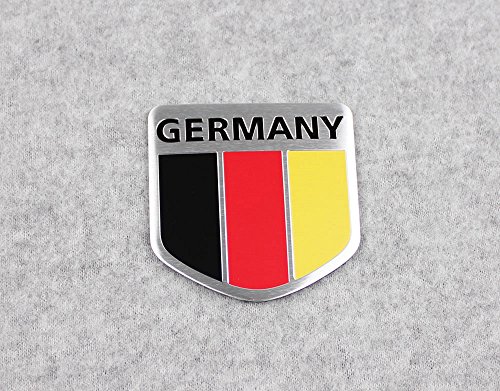
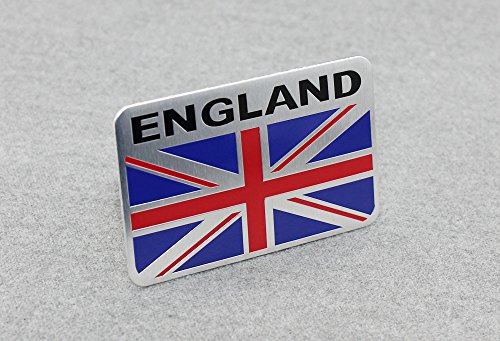
Visual fidelity is critical, especially when you are trying to match an existing set of badges on a vehicle. Look for 'triple-layer chrome' or 'electroplated' finishes. These processes provide a much deeper, mirror-like shine compared to simple metallic paint. If you are purchasing a colored emblem, such as a brand logo with specific red or blue accents, pay close attention to the pigment type. High-quality emblems use automotive-grade acrylic paints that are designed to resist bleeding and fading. If the emblem is intended for a high-visibility area, ensure the finish is scratch-resistant to prevent micro-abrasions from car washes and road grit from dulling the luster.
Attachment Methods: Adhesive vs. Mechanical
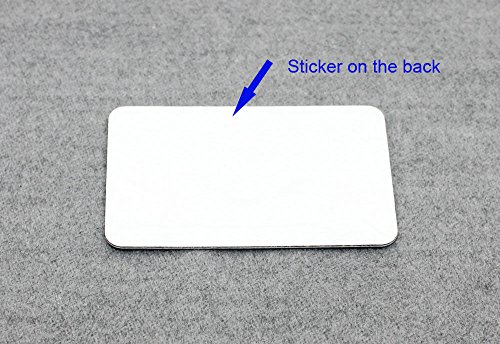
How an emblem attaches to its surface is just as important as how it looks. Most modern emblems utilize 3M or similar high-bond acrylic foam tape. This is the preferred method for most DIY enthusiasts because it provides a waterproof seal and allows for a flush, seamless fit without drilling holes. When shopping, verify that the emblem comes with pre-applied, high-strength adhesive backing. If you are choosing an emblem that requires mechanical fastening (screws or pins), ensure you have the necessary tools and that the mounting points align perfectly with your existing holes to avoid structural damage to the substrate.
Size and Dimensional Precision
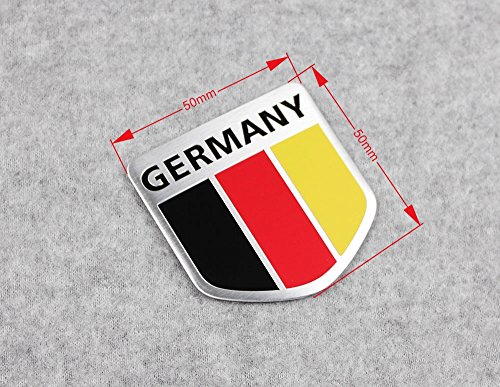
One of the most common mistakes in emblem shopping is failing to verify the exact dimensions. Even a few millimeters of difference can make an emblem look 'off-center' or incorrectly scaled for the mounting area. Always measure the height, width, and thickness of your current emblem or the intended mounting space before committing to a purchase. Pay special attention to the 'depth' or 3D profile. A flat emblem on a surface designed for a raised, contoured badge will look out of place and may be more prone to catching wind or debris.
Weatherproofing and Environmental Resistance
Finally, consider the environment where the emblem will live. If the emblem is for an outdoor vehicle, it must be rated for extreme thermal cycling—the ability to expand and contract with temperature changes without cracking the adhesive or the housing. For marine or coastal applications, prioritize stainless steel or high-grade treated alloys to prevent oxidation and 'pitting,' which can ruin the reflective surface of the emblem over time.