Determining the Correct Dimensions and Fit
The most common mistake in envelope selection is choosing a size that is either too tight or too loose. If an envelope is too small, you risk tearing the corners of your documents or jamming your mailing machine. If it is too large, your contents will shift during transit, potentially causing damage or making the package feel flimsy. When choosing, always measure your contents—be it a standard letter, a legal document, or a thick greeting card—and add a small margin of clearance. For professional correspondence, standard letter sizes are reliable, but for specialized needs like photography or certificates, you must look for specific dimensions like A4 or C-series sizes to ensure a seamless fit without folding.
Material Weight and Opacity
The 'feel' of an envelope is primarily determined by its paper weight, often measured in GSM (grams per square meter). A lightweight envelope (70-90 GSM) is suitable for casual correspondence or bulk mailings where cost-efficiency is the priority. However, for business contracts, formal invitations, or anything containing sensitive information, you should opt for a heavier weight (100-120 GSM or higher). Heavier paper provides better opacity, ensuring that the contents of the envelope are not visible through the paper when held up to the light. This privacy aspect is crucial for legal or personal documents where discretion is mandatory.
Closure Mechanisms and Security
The method used to seal an envelope significantly impacts its utility. There are three primary types to consider:
- Gummed/Moistened: The traditional method requiring a damp sponge or tongue. These are reliable but can be cumbersome for high-volume mailing.
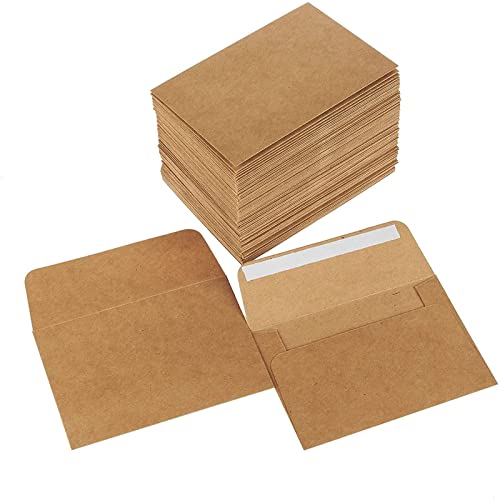
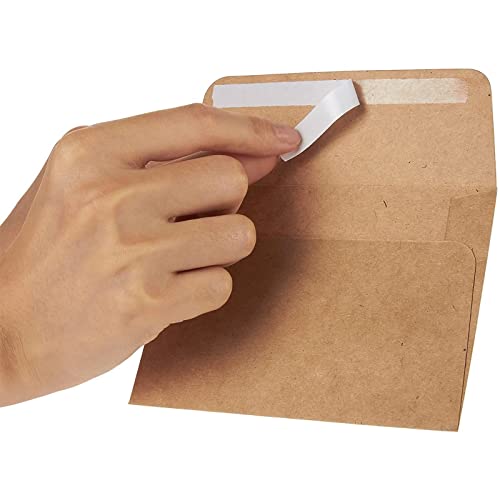
- Self-Seal (Peel and Stick): These feature a strip of adhesive protected by a paper liner. They are the gold standard for efficiency, allowing for rapid sealing without the mess of moisture.
- String and Washer: Best suited for heavy-duty packaging or rustic, aesthetic presentations, these provide a tactile, premium feel but are less suited for standard postal transit.
For professional settings, self-seal strips are highly recommended to save time and ensure a consistent, airtight seal.
Aesthetic and Finish Considerations
The visual impact of an envelope cannot be overlooked. A matte finish is the standard for professional business environments, offering a clean and understated look. If you are designing for a celebratory event, such as a wedding or a milestone anniversary, you might look for textured papers or metallic accents that convey luxury. Additionally, consider the color. While white is the universal standard for clarity and professionalism, colored envelopes can be used to categorize different types of mail or to add a personal touch to social correspondence. Always ensure that the color choice complements the ink and paper of the letter inside to create a cohesive visual experience.
Durability and Postal Compatibility
Finally, consider the journey your envelope will take. If you are sending items internationally or via standard postal services, ensure the envelope is designed to withstand the sorting processes of mail carriers. This means checking for reinforced edges and a sturdy construction that won't easily puncture. If you plan to use window envelopes for business invoicing, ensure the window placement aligns perfectly with your document layout to avoid a disorganized appearance.