Understanding Bore Size and Tonal Profile
The most fundamental decision you will make is choosing between a large-bore and a small-bore euphonium. This choice dictates the entire character of your sound. Large-bore instruments are the standard for concert bands and wind ensembles. They provide a massive, dark, and resonant sound that can anchor a brass section. These instruments are ideal for players who want to master the symphonic style of playing. On the other hand, small-bore euphoniums offer a brighter, more piercing tone with quicker response. These are often preferred in jazz settings or specific soloistic contexts where clarity and agility are prioritized over sheer volume. When deciding, consider the ensembles you intend to join most frequently.
Valves and Mechanical Reliability
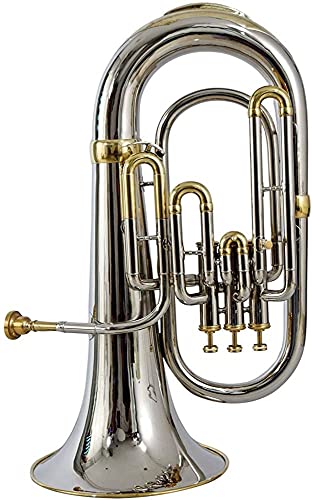
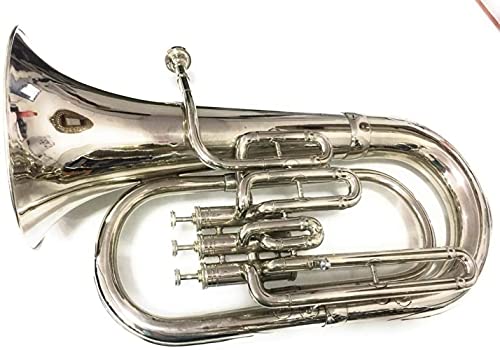
The heart of the euphonium lies in its valve system. Most contemporary euphoniums utilize piston valves, which are prized for their precision and rapid response during technical passages. When inspecting an instrument, pay close attention to the action of the valves. They should move smoothly with minimal resistance and without any 'clicking' or sticking. Some players prefer rotary valves for a smoother, more continuous feel, though piston valves remain the industry standard for most pedagogical and professional applications. Additionally, ensure the valve casing is well-machined to prevent air leaks, which can significantly compromise your ability to play softly or maintain pitch stability.
Material Composition and Bell Construction
The metal used in the construction of your euphonium significantly impacts its harmonic richness. Yellow brass is the most common choice, offering a balanced and versatile sound. If you are seeking a warmer, more mellow tone, look for instruments crafted from gold brass or rose brass, which contain higher copper content. Furthermore, consider the bell flare. A wider, more aggressive flare can project sound more effectively in large halls, whereas a more gradual taper might offer better control in intimate settings. The weight of the instrument also matters. A heavier instrument often provides more stability in pitch, but can be more taxing during long practice sessions.
Leadpipe and Intonation Considerations
A high-quality euphonium must be able to play in tune across its entire range. The leadpipe—the first section of tubing the air passes through—is critical to this stability. Look for instruments with well-tapered leadpipes that facilitate easy airflow. Intonation is often affected by the placement of the third valve slide and the overall design of the tuning slides. When possible, test the instrument across several octaves to ensure that the notes do not become increasingly sharp or flat as you move into the upper register. A well-designed instrument will allow you to focus on musical expression rather than constant, frustrating adjustments to your tuning slides.
Final Recommendation Logic
To make the best purchase, align your choice with your current skill level and musical goals. For beginners, prioritize ease of play and mechanical durability over exotic metal alloys. For advanced players, focus on the specific tonal color and the precision of the valve action. Always weigh the trade-offs between a large-bore instrument's richness and a small-bore's agility, ensuring your choice reflects the musical environments where you will most likely perform.