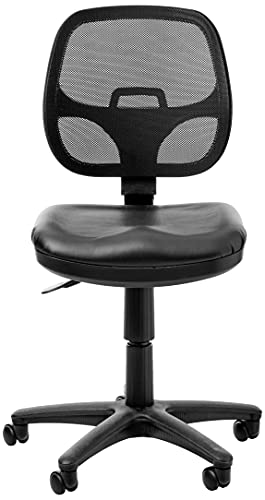
Prioritizing Ergonomic Intelligence Over Padding
The most common mistake when shopping for executive seating is equating 'softness' with 'comfort.' While a thick, foam-heavy seat might feel luxurious for the first ten minutes, it often fails to provide the structural support necessary for long-term sitting. A high-quality work smart chair should prioritize dynamic ergonomics. Look for adjustable lumbar support that doesn't just move up and down, but also offers depth adjustment to fit the natural curvature of your lower spine. The goal is to maintain the 'S' curve of your back, preventing the slouching that leads to disc compression.
The Mechanics of Adjustability
A premium executive chair must adapt to the user, not the other way around. When evaluating models, pay close attention to the four pillars of adjustability: seat depth, armrest versatility, tilt tension, and height. Seat depth adjustment—often called 'seat slider' functionality—is crucial for ensuring your thighs are properly supported without putting pressure on the back of your knees. Furthermore, look for 4D armrests. These allow you to adjust height, width, depth, and angle, ensuring your shoulders remain relaxed and your wrists stay neutral while typing. If the armrests are fixed, you will likely find yourself hunching or leaning to one side to compensate.
Material Science: Mesh vs. Leather vs. Fabric
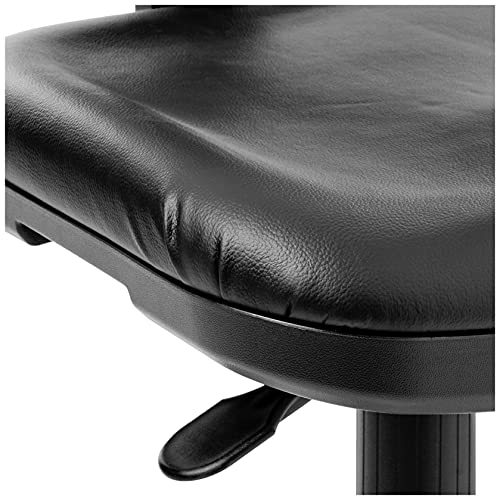
The material of your chair dictates both your thermal comfort and the chair's longevity. Traditional executive chairs often utilize top-grain leather, which offers unparalleled prestige and a premium tactile experience. However, leather can trap heat, leading to discomfort in warmer climates. If you prioritize breathability and a modern aesthetic, high-performance elastomeric mesh is the superior choice. Mesh distributes weight more evenly and allows for constant airflow. For a middle ground, high-density woven fabrics offer durability and a soft touch without the heat retention of leather or the potential 'sagging' associated with lower-end mesh designs.
Base Stability and Movement Fluidity
An executive chair carries more weight and presence than a task chair, meaning the foundation must be robust. Look for aluminum or reinforced nylon bases rather than cheap plastic. The casters (wheels) are equally important. If you have hardwood floors, seek out soft rubberized wheels to prevent scratching and noise. If you are on carpet, harder nylon casters will allow for easier gliding. A smooth recline mechanism with a tension control is also vital. You should be able to lean back to think or relax without feeling like you are tipping over or fighting against a stiff spring.
Decision Logic: How to Choose
To make the final decision, categorize your primary need. If your priority is status and comfort for occasional meetings, lean toward high-end leather with heavy padding. If your priority is all-day productivity and spinal health, prioritize a mesh-back ergonomic chair with extensive mechanical adjustments. If you are working in a multi-purpose home office, look for a hybrid model that offers professional aesthetics with the breathable performance of a task chair.