Identify Your Primary Training Modality
The most common mistake in fitness shopping is treating all 'athletic' shoes as interchangeable. To make an informed decision, you must first categorize your workouts. If your routine consists of heavy compound lifts like deadlifts and squats, you require a shoe with a firm, non-compressible sole to provide a stable base. Conversely, if your focus is high-intensity interval training (HIIT) or plyometrics, you need a hybrid shoe that offers enough cushioning to absorb impact during jumps but enough lateral support to prevent your foot from sliding off the footbed during side-to-side movements.
Cushioning vs. Ground Feel
Cushioning is a spectrum. High-cushion shoes utilize thick foam midsoles to dampen the shock of repetitive impact, which is ideal for treadmill intervals or aerobic classes. However, excessive cushioning can be a detriment in weightlifting or agility drills, as it creates an unstable 'marshmallow' effect that can compromise your balance. On the other end of the spectrum is 'ground feel,' where the sole is thinner and more flexible, allowing your foot to sense the floor more intimately. This is preferred by athletes who prioritize proprioception—the body's ability to sense movement and position—during complex movements.
Lateral Stability and Upper Construction
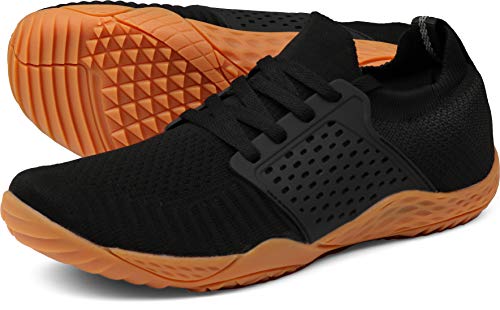
Standard running shoes are built for forward motion, often featuring soft, mesh uppers that allow for natural foot expansion. While great for running, these lack the structural integrity needed for lateral (side-to-side) movements. For fitness training, look for shoes with reinforced sidewalls or overlays that 'lock' your foot in place. A secure heel counter and a midfoot wrap are essential features that prevent your foot from rolling over the edge of the sole during lateral lunges or shuttle runs. The upper material should be breathable enough to manage heat but durable enough to withstand the friction of vigorous movement.
The Importance of the Outsole and Drop
The outsole—the bottom of the shoe—should feature high-traction rubber patterns designed for indoor gym surfaces. Look for multi-directional tread patterns rather than simple longitudinal grooves. Additionally, pay attention to the 'heel-to-toe drop,' which is the height difference between the heel and the forefoot. A low drop (0mm to 4mm) encourages a more natural foot position and is often preferred for lifting, whereas a higher drop can provide extra cushioning for those with specific Achilles tendon needs. Always ensure the outsole is wide enough to provide a stable platform for your entire foot during weight-bearing exercises.
Fit and Sizing Considerations
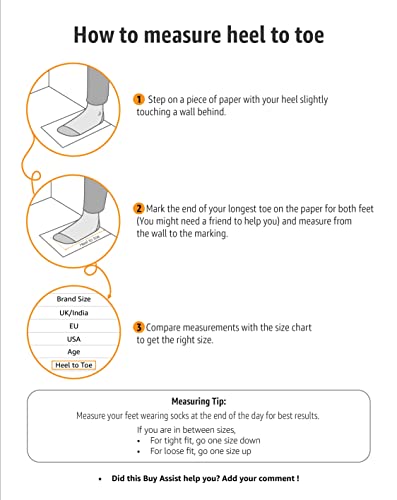
Never shop for fitness footwear based on your casual shoe size alone. During exercise, your feet will swell due to increased blood flow and heat. A shoe that feels 'perfectly snug' in the store may become painfully restrictive halfway through a workout. Ensure there is roughly a thumb’s width of space between your longest toe and the front of the shoe, and verify that your foot does not slide forward or backward within the chassis. If you have a wide forefoot, seek out brands specifically known for a wider toe box to prevent toe cramping during explosive movements.