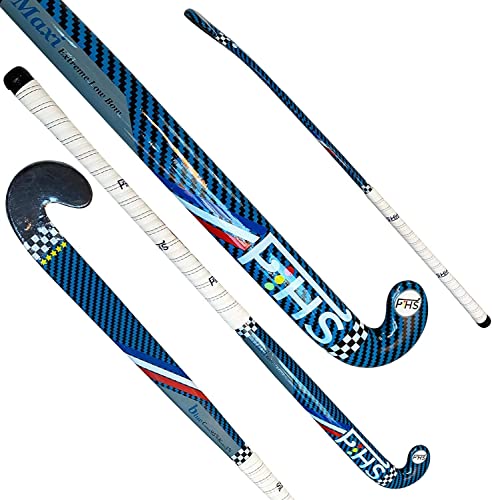
Selecting the Right Stick: Bow, Weight, and Composition
The stick is the most critical piece of equipment in a player's arsenal. When shopping for high school level sticks, the first thing to consider is the 'bow'—the curvature of the stick. A 'low bow' is favored by attackers and midfielders who rely on 3D skills and aerial passes, as the curve makes it easier to lift the ball. Conversely, a 'pro bow' or a flatter stick offers more control for defenders who need to make clean tackles and flat passes.
Material composition is the next major factor. High-end sticks utilize a high percentage of carbon fiber, which provides stiffness and power for hitting. However, too much carbon can make the stick 'dead' or vibrate uncomfortably upon impact. For most high school players, a hybrid blend of carbon, fiberglass, and aramid (Kevlar) offers the perfect balance of power, durability, and shock absorption. Finally, consider the weight. A heavier stick provides more momentum for long hits, while a lighter stick allows for the rapid hand speed required for tight dribbling in congested areas.
Protective Gear: Prioritizing Impact Absorption
In high school field hockey, the speed of the ball and the intensity of the play increase significantly. Protective equipment is non-negotiable. For field players, high-quality shin guards are essential. Look for guards that offer extended coverage around the ankle to prevent common impact injuries during tackles. The padding should be lightweight enough to prevent fatigue but dense enough to dissipate the energy of a hard-hit ball.
For those playing in defensive or goalkeeper roles, the requirements change. Goalkeepers require specialized, high-density foam kits designed to withstand direct shots from high-velocity sticks. Even for field players, wearing mouthguards and protective eyewear (if playing in certain competitive environments or practicing high-risk drills) is a vital part of a safety-first mindset. Ensure all protective gear is breathable to manage heat during intense matches.
Field hockey is played on turf, which presents unique challenges for traction. Standard running shoes are inadequate and can lead to ankle injuries due to the lateral movements required in the sport. You need specific field hockey turf shoes or turf cleats that offer multi-directional traction. The outsole should be designed to prevent 'stud pressure' while providing enough grip to allow for sudden stops and sharp turns without slipping.
Additionally, do not overlook the importance of grip. Whether it is the grip on your stick handle or the texture of your gloves, moisture management is key. High-quality grip tape can be applied to sticks to customize the feel and ensure that even in sweaty, high-pressure situations, your control remains absolute. A slip in grip can mean the difference between a successful tackle and a turnover.
Decision Logic: Matching Gear to Position
To make the best purchase, align your gear with your playing style. If you are a striker, prioritize a low-bow, carbon-heavy stick for skill and power. If you are a defender, prioritize a more durable, slightly heavier stick for clearing the ball and consistent tackling. Always prioritize safety equipment that meets international standards, and remember that as a high school athlete, your gear needs to be robust enough to last an entire season of heavy training and tournament play.