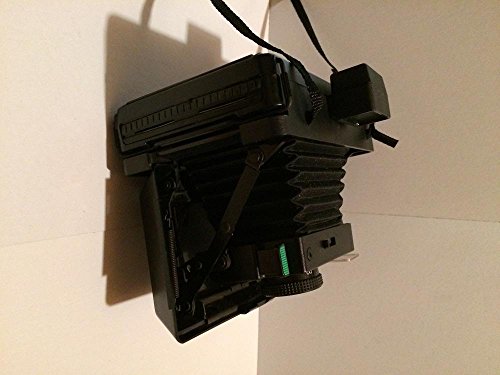
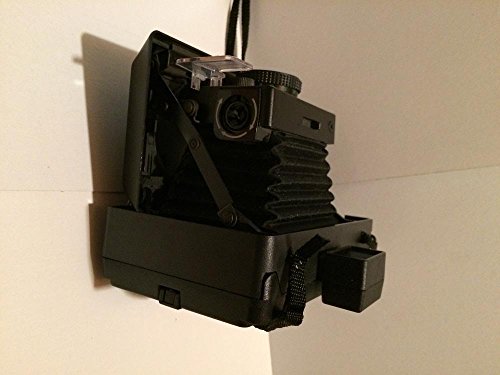
The first decision you must make is which film format you intend to use. This choice dictates the size of your images, the cost of your supplies, and the physical dimensions of the camera. The most common choice is 35mm film. It is widely available, affordable, and compatible with a massive range of cameras, from simple point-and-shoots to professional SLRs. If you are looking for higher resolution and a more 'dreamy' aesthetic, you might consider Medium Format cameras. These use larger film sheets or rolls, providing significantly more detail and a shallower depth of field, though the cameras are bulkier and the film is considerably more expensive.
Mechanical vs. Electronic Control
When browsing the market, you will encounter two primary types of operation: fully mechanical and electronically controlled. Mechanical cameras are the purists' choice. They often do not require batteries to fire the shutter, making them incredibly reliable in various environments. They offer a tactile, hands-on experience where you manually set the aperture and shutter speed. On the other hand, electronically controlled cameras (often found in later-era consumer models) offer features like automatic exposure and built-in flash. While these make photography easier for beginners, they are reliant on battery life and can be more difficult to repair if the internal circuitry fails.
The Importance of Lens Quality and Versatility
In film photography, the lens is arguably more important than the body. A high-quality glass element can compensate for the limitations of older film stocks, providing sharpness and beautiful bokeh. If you are buying a Single Lens Reflex (SLR) camera, you have the advantage of interchangeable lenses, allowing you to switch from a wide-angle lens for landscapes to a prime lens for portraits. If you opt for a fixed-lens camera, such as a rangefinder or a point-and-shoot, ensure the lens has a decent maximum aperture (a lower f-stop number) to allow for better performance in low-light conditions.
Key Decision Factors: Metering and Ease of Use
One of the biggest hurdles for new film photographers is exposure. You need to know how much light is hitting your film. Many vintage cameras use built-in light meters, but these can be unreliable if they are old. When selecting a camera, check if the meter is functional or if you will need to carry a handheld light meter. For beginners, cameras with 'Program' modes or easy-to-read exposure scales are highly recommended. For advanced users, look for cameras that allow for full manual override, giving you total control over the creative output of each frame.
Condition and Longevity
Because many film cameras are decades old, condition is paramount. Always look for signs of 'light leaks,' which occur when the camera's seals have degraded, allowing unwanted light to ruin your film. Check the shutter speeds to ensure they are consistent and that the lens is free of fungus, haze, or scratches. A camera that looks beautiful on the outside but has a sluggish shutter or a cloudy lens will only lead to frustration and wasted film rolls.