Material Integrity and Tactile Quality
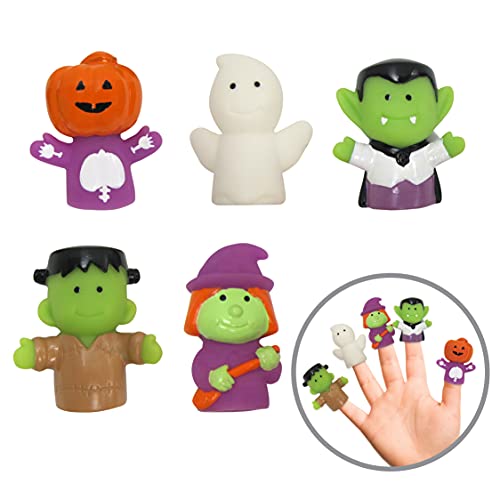
The most critical factor in selecting finger puppets is the material. Because these toys are designed for small hands and often end up near mouths, soft, non-toxic fabrics are paramount. Look for high-density felt or plush microfiber. Felt is excellent for maintaining the structural integrity of a character's shape, ensuring the puppet doesn't collapse when you move your finger inside. However, if you prefer something more cuddly, plush materials offer a softer sensory experience. Avoid puppets with cheap, scratchy synthetic blends that might irritate a child's skin during extended play sessions. A high-quality puppet should feel substantial, not flimsy or translucent.
Character Variety and Storytelling Potential
A single puppet is a novelty. A collection is a narrative. When deciding on a set, consider the thematic cohesion. Are you looking for an animal kingdom set that allows for fables, or a fantasy-themed collection for magical adventures? The best sets offer a diverse range of characters that can interact with one another. This variety is essential for 'role-play,' where children learn to navigate different perspectives by switching between characters. Check if the set includes enough variety to sustain a full story arc—for example, a predator and a prey, or a hero and a sidekick.
Sizing and Ergonomic Fit
Finger puppets are useless if they don't fit the user. While they are primarily intended for children, many adults use them for professional storytelling or puppetry. Look for puppets with a tapered design—wider at the base to accommodate the knuckle and narrower at the tip. This ensures the puppet stays securely on the finger without cutting off circulation or sliding off during dramatic gestures. If you are buying for a wide age range, look for sets with adjustable or slightly more elasticated openings that can accommodate both a toddler's small finger and an adult's larger digit.
Durability and Detail Finishes
Since finger puppets undergo constant friction and manipulation, the way the features are attached matters immensely. Avoid puppets that use small, glued-on plastic eyes or beads, as these pose a significant choking hazard and are prone to falling off during vigorous play. Instead, prioritize puppets where the facial features are embroidered directly into the fabric. Embroidery is not only safer but also provides a more premium, artisanal look that holds up through repeated hand washing. Check the stitching at the seams. A tight, reinforced stitch will prevent the puppet from losing its shape after a few weeks of heavy use.
Educational and Developmental Value
When making your final decision, think about the 'why' behind the purchase. Are you aiming to improve fine motor skills? The dexterity required to manipulate a finger puppet is an excellent way to strengthen the small muscles in a child's hands. Are you looking to encourage language development? Choose sets with distinct, recognizable characters that prompt the child to assign voices and dialogue. The best puppets act as catalysts for communication, helping children express emotions and practice social cues in a safe, playful environment.