Understanding the Magnetic Mounting System
The defining feature of these kits is the magnetic attachment mechanism. Not all magnets are created equal. When evaluating a kit, you must consider the 'pull force' of the magnet. A kit intended for a moving vehicle requires a much stronger magnetic bond than one intended for a stationary workshop shelf. Look for kits that utilize neodymium or high-grade ferrite magnets, as these provide the necessary grip to prevent the kit from sliding or falling if the surface is bumped. Furthermore, check if the magnetic backing is rubber-coated. A coated magnet prevents the kit from scratching your metal surfaces and provides additional friction to prevent lateral sliding.
Assessing Kit Capacity and Component Density
A first aid kit is only as good as its contents. For safety magnet kits, which are often designed to be compact to minimize weight and profile, you must look at the density of the supplies. A high-quality kit should not just offer quantity, but quality of components. Look for a balanced mix of wound care (sterile gauze, adhesive bandages, antiseptic wipes), trauma supplies (tourniquets, pressure bandages), and tool essentials (trauma shears, tweezers). Avoid kits that are 'padded' with low-value items like cheap plastic toys or excessive amounts of low-grade adhesive strips. Instead, prioritize kits that offer modularity, allowing you to swap out items based on whether you are using the kit for a home garage, a construction site, or a maritime environment.
Durability and Environmental Resistance
Because these kits are often mounted on external surfaces like vehicle exteriors or industrial equipment, they are subject to harsh conditions. A standard fabric pouch will quickly degrade if exposed to moisture, grease, or UV light. When shopping, prioritize kits with water-resistant nylon or heavy-duty TPU (Thermoplastic Polyurethane) shells. An airtight or water-resistant zipper is also a non-negotiable requirement to ensure that your bandages remain sterile and your ointments do not dry out. If you plan to use the kit in an automotive or industrial setting, look for 'wipe-clean' materials that can withstand grease and oil spills without staining or absorbing odors.
Deployment Speed and Organization
In a medical emergency, seconds matter. A kit that requires you to dig through a disorganized pile of supplies is a liability. Look for kits that feature internal organization, such as mesh pockets, elastic loops, or clear dividers. This allows you to visually identify the item you need—such as a burn cream or a bandage—without rummaging. Additionally, consider the 'open-access' design. Some magnetic kits are designed to stay partially open or have a flap that allows for immediate access, which is a significant advantage in high-stress situations.
Recommendation Logic: Matching the Kit to the Environment
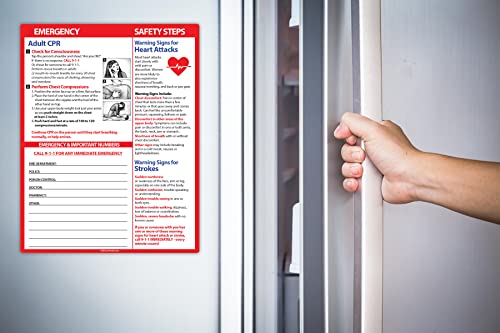
To make the final decision, categorize your primary use case. For Automotive/Mobile use, prioritize high-strength magnets and waterproof shells. For Workshop/Industrial use, prioritize high-capacity kits with heavy-duty, grease-resistant materials. For Home/Light Duty use, focus on compact designs that fit neatly on metal appliances or shelving without taking up excessive visual space.