Understanding Rod Action and Power
The two most critical terms you will encounter are 'action' and 'power.' These are often confused, but they describe two entirely different characteristics of the rod. Power refers to the rod's resistance to bending. A 'heavy' power rod requires significant force to flex and is designed for fighting large fish or pulling heavy lures through thick vegetation, while a 'light' power rod bends easily and is ideal for delicate presentations like trout or panfish. Action refers to where the rod bends along its length. A 'fast action' rod bends primarily at the tip, providing high sensitivity and quick hook sets, which is perfect for jigs and topwater lures. A 'slow action' rod bends further down the blank, offering more flexibility and shock absorption, which is often preferred when using live bait or fighting fish that tend to shake the hook.
Material Composition: Graphite vs. Fiberglass
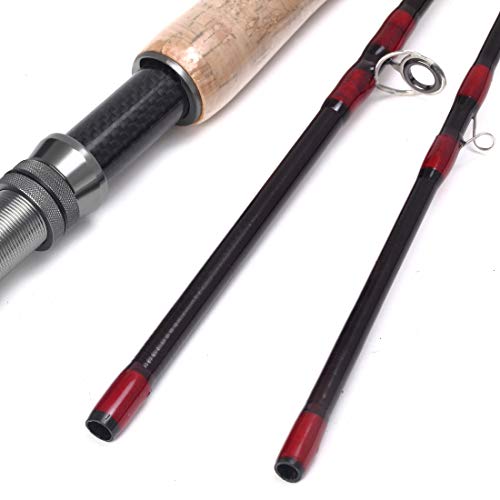
The material of the rod blank dictates its weight, sensitivity, and durability. Most modern generic rods utilize Graphite (or carbon fiber) because it is incredibly lightweight and highly sensitive. If you can feel a tiny nibble on the line, it is likely thanks to a graphite blank. However, graphite can be brittle if subjected to heavy impact. Fiberglass rods are much more rugged and possess a natural flexibility that prevents line breakage, making them excellent for beginners or for heavy-duty bottom fishing. Many mid-range rods now feature Composite blanks, which blend graphite for sensitivity with fiberglass for strength, offering a balanced middle ground for the versatile angler.
Length and Casting Control
The length of your rod dictates your casting distance and your ability to maneuver in tight spaces. Longer rods (typically 7 feet or more) provide greater leverage and longer casting distances, making them ideal for open water or lake fishing where you need to reach far-off structures. Shorter rods (6 feet or less) offer superior control and are much easier to use when fishing under overhanging trees, in dense brush, or from a small boat. When choosing, consider your primary environment: if you are standing on a bank surrounded by timber, a shorter, more maneuverable rod will serve you better than a long casting machine.
Guide Quality and Reel Seat Comfort
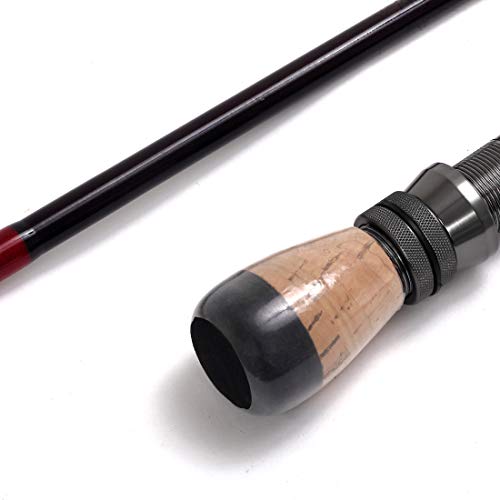
Do not overlook the hardware. The guides (the loops the line runs through) should be smooth and free of any burrs or imperfections that could fray your fishing line. Look for ceramic-lined inserts, as these reduce friction and heat during long casts. Additionally, the reel seat—where your reel attaches to the rod—should feel secure and ergonomic. A poorly designed reel seat can lead to hand fatigue during long sessions or, worse, cause your reel to wobble, which ruins your casting accuracy. A solid, well-fitted reel seat is a hallmark of a rod that is built to last beyond a single season.
Matching the Rod to Your Target Species
Ultimately, your decision should be driven by what you intend to catch. If you are targeting bass in heavy cover, look for a medium-heavy power rod with a fast action to ensure you can pull the fish out of the weeds. If you are targeting walleye or trout in clearer water, a light or medium power rod with a sensitive graphite blank will allow you to detect subtle strikes. By matching the power, action, and length to your specific target, you ensure that the rod becomes an extension of your arm rather than a hindrance to your success.