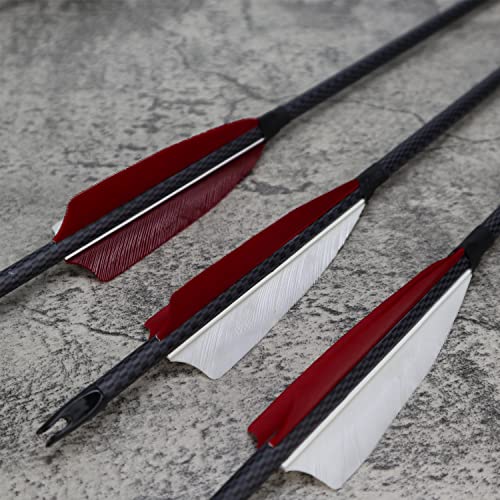
Understanding Material Composition: Plastic vs. Natural
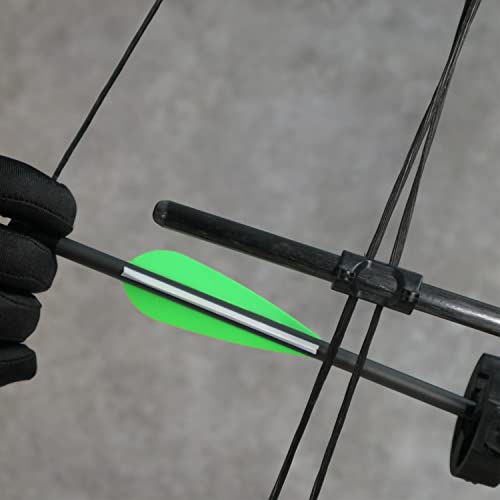
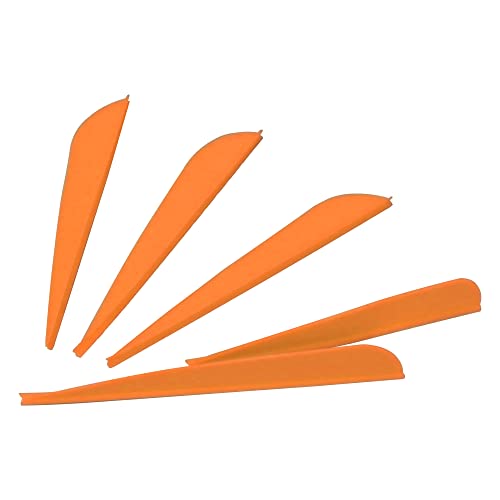
The first decision you must make involves the material of the vane. Traditional natural feathers offer unparalleled stability and are exceptionally quiet during flight, making them a favorite for certain hunting setups. However, they are susceptible to damage from moisture and physical impact. Modern synthetic fletches, typically made from high-grade polymers or plastics, have largely taken over the market due to their durability and consistency. Synthetic vanes hold their shape regardless of humidity levels and can withstand the rigors of repeated practice sessions without fraying. When choosing between them, consider your environment: if you shoot in damp or variable weather, high-quality plastic vanes are the superior choice for maintaining a consistent drag profile.
Profile and Shape: Offset, Helical, or Straight
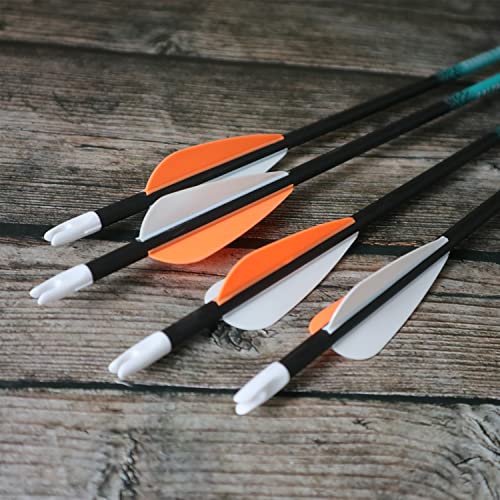
The geometry of the fletch is perhaps the most critical factor in determining how your arrow rotates. The 'profile' refers to how the vane is seated on the shaft. A straight fletch is mounted parallel to the shaft. This produces minimal drag and is ideal for long-distance target shooting where speed is paramount. An offset fletch is mounted at a slight angle, inducing a gentle spin that helps stabilize the arrow. A helical fletch follows the curve of the shaft, creating a much more aggressive spin. While helical fletching provides maximum stability and can correct even slight imperfections in the arrow shaft, it comes at the cost of increased drag, which will slightly reduce your kinetic energy and velocity. Match your profile choice to your goal: choose straight for speed, or helical for maximum stabilization.
Vane Height and Surface Area
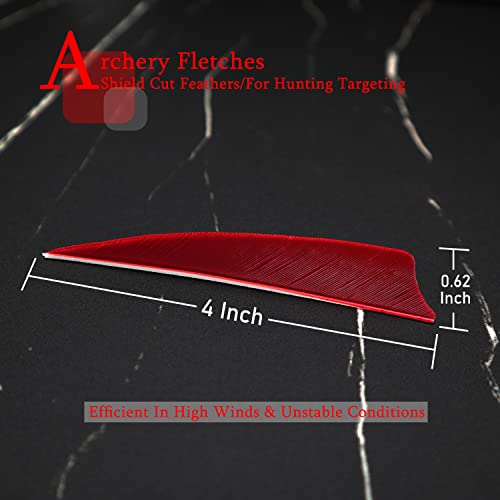
The physical dimensions of the fletch—specifically its height and width—dictate how much air it catches. Larger, taller vanes provide more surface area, which creates more 'drag-induced stability.' This is highly beneficial for heavier hunting arrows or when shooting in windy conditions, as the larger surface area helps the arrow 'grip' the air to stay on course. Conversely, smaller, low-profile vanes are preferred by field archers and target shooters who want to minimize wind interference and maintain high arrow speeds. If you find your arrows are 'planing' or drifting in the wind, it is often a sign that you need more surface area through taller vanes.
Durability and Adhesive Compatibility
Finally, consider the longevity of the fletch. High-quality vanes should possess a degree of flexibility to absorb the impact of hitting a target without snapping or peeling away from the shaft. Furthermore, ensure the material is compatible with standard archery adhesives. Some specialized high-performance materials require specific glues to ensure a permanent bond. If you are frequently practicing on varied surfaces, look for vanes with a reinforced edge to prevent the 'peeling' effect that often occurs during high-velocity impacts.