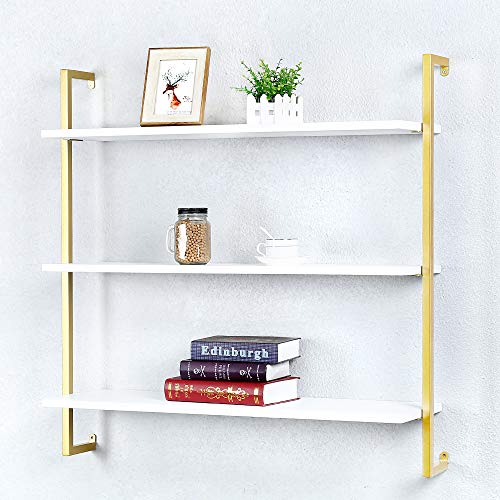
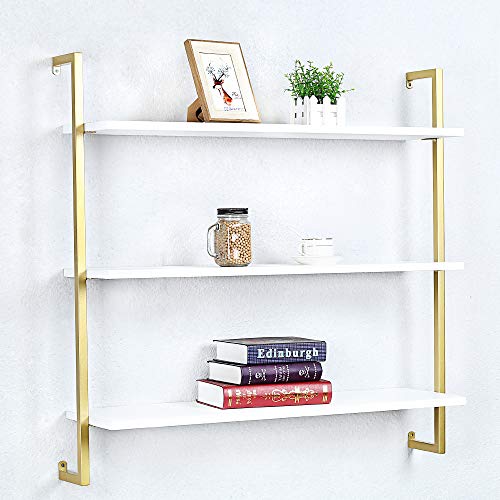
Material Composition and Aesthetic Longevity
The first decision factor is the core material of the shelf. Because floating shelves rely on internal support mechanisms, the density of the material dictates both how much weight you can display and how the shelf will age. Solid wood options provide a premium, organic feel that complements bohemian or rustic decor, offering natural grain patterns that make each piece unique. However, if you are aiming for a more modern, high-gloss look, engineered wood or MDF with high-quality veneers can provide a more uniform surface. When selecting for a 'rainbow' or eclectic aesthetic, consider how the material interacts with color. Matte finishes tend to absorb light and soften the room, while polished surfaces reflect light and can make a small space feel more expansive.
Weight Capacity and Mounting Hardware
The primary failure point for most floating shelves is improper installation or insufficient load capacity. Unlike traditional shelving, floating shelves hide their support structures inside the shelf itself. You must look closely at the mounting system. High-quality shelves utilize heavy-duty steel brackets that anchor directly into wall studs. If you plan to display heavy ceramic vases, thick hardcover books, or large planters, ensure the product specifications explicitly state the maximum weight limit. A common mistake is purchasing decorative shelves meant for lightweight trinkets and attempting to use them for functional storage. Always verify if the mounting hardware included is suitable for your specific wall type, whether it be drywall, plaster, or masonry.
Depth and Proportionality
A shelf that is too shallow will feel precarious and limit your display options, while a shelf that is too deep can create a 'heavy' visual weight that makes the room feel cramped. For displaying books, a depth of at least 8 to 10 inches is standard. If the goal is purely decorative—such as displaying small succulents or framed photos—shallower shelves of 4 to 6 inches can create a more delicate, airy effect. When planning your layout, consider the 'visual footprint' of the shelf. Multiple staggered shelves can create a sense of movement and rhythm, which is essential for achieving that layered, eclectic look characteristic of modern curated spaces.
Installation Complexity and Wall Integration
Before purchasing, assess your DIY comfort level. Some floating shelves are designed as 'plug-and-play' units with simple bracket systems, while others may require precise leveling and specific drill bit sizes to ensure the shelf sits perfectly flush against the wall. A shelf that hangs slightly crooked will immediately ruin the illusion of weightlessness. Look for products that include built-in leveling guides or clear instructions for stud-finding. For those renting, consider the impact of mounting. While floating shelves generally require drilling, choosing designs that allow for minimal hardware can make the eventual patching of holes much easier.