Understanding Seed Origins: Species vs. Cultivars
The first major decision you will face is choosing between species seeds and cultivar seeds. Species daylilies are the wild ancestors of the modern varieties you see in botanical gardens. They are incredibly hardy, often more resistant to local pests, and tend to spread more aggressively to create lush, naturalized drifts. If your goal is a low-maintenance landscape that feels organic and effortless, species seeds are your best bet.
Cultivars, on the other hand, are human-bred varieties selected for specific traits like intense color, unique petal shapes, or repeat blooming. While cultivars offer more 'designer' looks, they can sometimes be more finicky regarding soil pH or moisture levels. When buying seeds for specific cultivars, ensure the supplier is reputable, as the genetic stability of a seed can vary wildly depending on how it was harvested.
Key Selection Factors: Hardiness and Bloom Windows
Before adding a packet to your cart, you must evaluate two critical factors: your USDA Hardiness Zone and the bloom window. Daylilies are generally tough, but some tropical varieties will not survive a harsh frost. Always verify that the seed variety is rated for your specific climate zone.
Furthermore, consider the 'bloom window.' Some daylilies offer a massive, singular explosion of color in early summer, while others are 'reblooming' varieties that produce smaller waves of flowers from mid-summer through autumn. For a garden that provides continuous visual interest, we recommend a strategic mix: plant a few species for early season structure and several reblooming cultivars to carry the color through the heat of August.
Evaluating Seed Quality and Viability
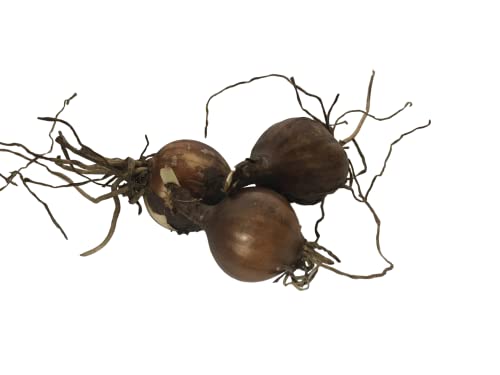
Because daylily seeds are biological entities, their quality is not guaranteed. High-quality nursery seeds should appear plump, firm, and free of visible mold or insect damage. Avoid seeds that look shriveled or dusty, as these often have low germination rates.
A professional tip for discerning buyers: look for seeds that have undergone a proper stratification process or are labeled as 'ready to plant.' Daylily seeds often require a period of cold, moist dormancy to trigger germination. If a supplier provides detailed instructions on the stratification process required for their specific seeds, it is a strong indicator that they are serious about plant health and successful cultivation.
Color, Size, and Growth Habit
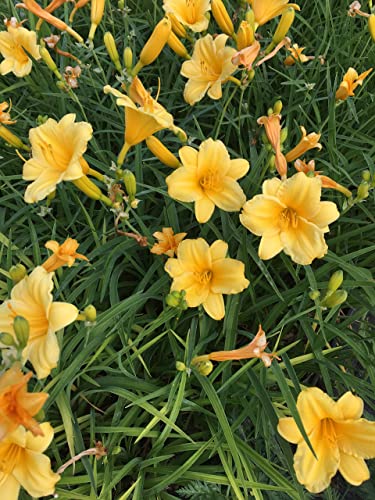
Finally, plan your garden layout by looking at the growth habit described in the seed profile. Some daylilies are 'dwarf' varieties, perfect for rock gardens or containers, while others can reach several feet in height, making them ideal for privacy screens or back-of-the-border planting. When selecting colors, remember that daylilies offer a spectrum ranging from buttery yellows and soft creams to deep purples and fiery oranges. To create a professional look, choose a cohesive color palette—such as 'cool tones' (blues, purples, whites) or 'warm tones' (reds, yellows, oranges)—rather than selecting random colors that may clash once the garden is in full bloom.