Understanding Tube Dimensions and Base Types
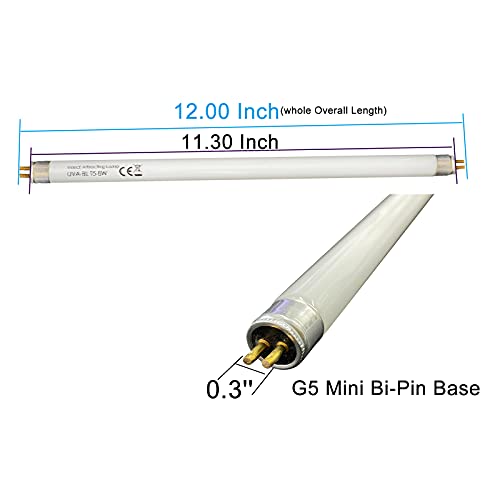
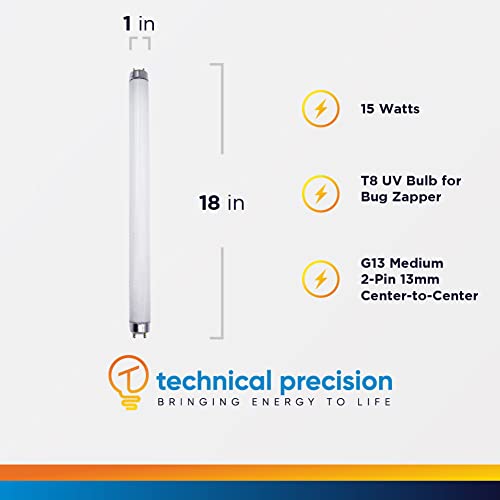
The first and most critical step is ensuring physical compatibility. Fluorescent tubes are categorized by their diameter and length. You will most commonly encounter T5, T8, and T12 tubes. The 'T' stands for tubular, while the number represents the diameter in eighths of an inch. For example, a T8 tube is one inch in diameter. T5 tubes are slimmer and generally more energy-efficient, whereas T12 tubes are older, thicker, and increasingly rare in modern sconce fixtures. Before purchasing, you must measure both the length of the existing tube and the diameter of the socket. Additionally, pay close attention to the base type—typically G5 or G13—to ensure the pins will lock securely into your sconce's tombstones (the sockets that hold the tube in place).
Color Temperature and Visual Atmosphere
Because sconces are often placed at eye level, the color temperature of the lamp is paramount. Fluorescent tubes are measured in Kelvins (K). If your sconce is in a hallway or living area, you may prefer a 'Warm White' (around 2700K to 3000K) to create a cozy, inviting ambiance. For task-oriented sconces, such as those located near a reading nook or a vanity, a 'Cool White' or 'Daylight' temperature (4000K to 5000K) is more appropriate as it enhances contrast and clarity. Avoid selecting a temperature that clashes with the existing lighting in the room, as this can create a jarring visual disconnect.
Color Rendering Index (CRI) and Light Quality
One often overlooked metric in fluorescent lighting is the Color Rendering Index, or CRI. This scale, ranging from 0 to 100, measures how accurately a light source reveals the true colors of objects. In a sconce used for accent lighting—perhaps to illuminate artwork or a textured wall—a high CRI (80 or above) is essential. A low CRI lamp can make colors appear muddy, grey, or washed out. If your sconce is intended to highlight decor, prioritize tubes with a high CRI to ensure your environment looks vibrant and natural.
Ballast Compatibility and Energy Efficiency
A common mistake when replacing fluorescent tubes is ignoring the fixture's ballast. The ballast is the internal component that regulates the electrical current to the tube. If you are upgrading from an older T12 system to a more efficient T8 system, you cannot simply swap the tubes; you will likely need to replace the ballast or choose a 'ballast bypass' type tube. Furthermore, look for tubes labeled as high-efficiency. While the initial cost might be slightly higher, these lamps consume less wattage and typically have a longer operational lifespan, reducing the frequency of maintenance in hard-to-reach sconce locations.
Flicker and Stroboscopic Effects
Low-quality fluorescent tubes can suffer from visible flickering, which can cause eye strain and headaches, especially in sconces positioned near workstations. When reviewing product specifications, look for mentions of 'electronic ballasts' or 'flicker-free' technology. Electronic ballasts provide a much smoother, more consistent stream of light compared to older magnetic ballasts, making them the superior choice for any modern residential or professional setting.