Understanding Tube Dimensions and Base Types
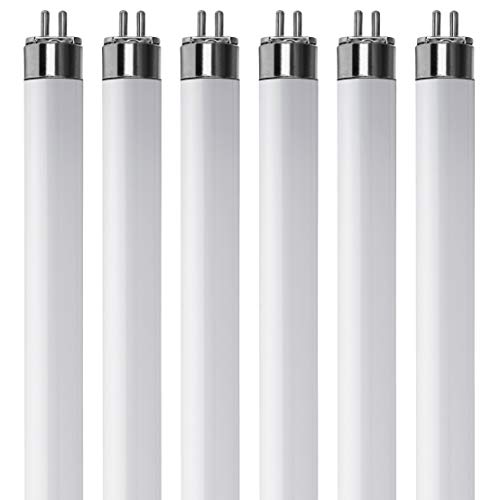
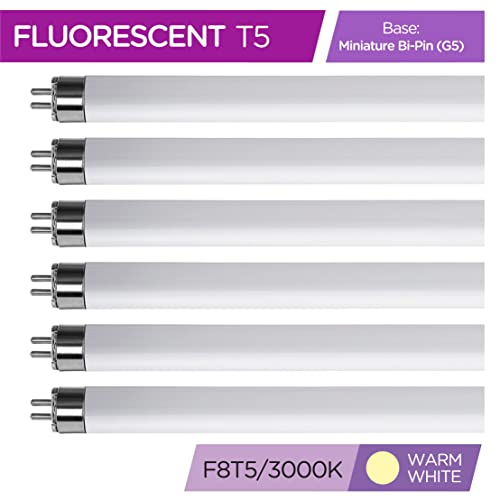
The most critical step in your selection process is ensuring physical compatibility. Fluorescent tubes are categorized by their length and diameter. The most common standards include T5, T8, and T12. The 'T' stands for tubular, while the number following it represents the diameter in eighths of an inch. For instance, a T8 tube is one inch in diameter, whereas a T12 is significantly thicker at 1.5 inches. Because these diameters are different, they are not interchangeable. A T8 bulb will not fit into a T12 fixture. Always measure your existing tube length and diameter before purchasing to avoid the frustration of incompatible hardware.
Color Temperature and Kelvin Ratings
The 'mood' and functionality of your space are dictated by the Kelvin (K) rating of the bulb. Fluorescent tubes vary wildly in their color profiles. If you are lighting a high-precision workshop or a laboratory, you should look for 'Daylight' spectrum tubes, typically ranging from 5000K to 6500K. These provide a crisp, bluish-white light that enhances focus and color perception. For retail environments or residential basements where you want a more inviting atmosphere, 'Cool White' (around 4100K) or 'Warm White' (3000K) is preferable. Avoid using warm-toned tubes in task-oriented areas, as the yellow tint can cause eye strain and make it difficult to distinguish fine details.
Color Rendering Index (CRI) Matters
One often overlooked metric is the Color Rendering Index, or CRI. This scale, from 0 to 100, measures how accurately a light source reveals the true colors of objects compared to natural sunlight. In a garage where you are painting a car or in a kitchen where food presentation matters, a high CRI (80 or above) is essential. Low CRI tubes can make colors appear muddy or washed out, which can be detrimental in professional environments where visual accuracy is a safety or quality requirement.
Lumen Output vs. Wattage
In the past, consumers focused primarily on wattage to determine brightness. However, modern efficiency standards dictate that you should prioritize lumen output. Lumens represent the actual amount of visible light emitted by the tube. A high-efficiency tube will provide more lumens per watt, meaning you get a brighter workspace while consuming less electricity. When comparing two tubes of the same length, choose the one with the higher lumen count if your goal is maximum visibility, provided the wattage remains within the limits of your fixture's ballast.
Ballast Compatibility and Lifespan
Finally, consider the relationship between your tube and your fixture's ballast. Some high-efficiency tubes are designed specifically for electronic ballasts, while older fixtures may require magnetic ballasts. Using the wrong type can lead to flickering, humming, or premature bulb failure. Additionally, check the rated lifespan of the tube. Quality fluorescent tubes should offer a long operational life, typically measured in hours. Investing slightly more in a bulb with a higher-rated lifespan will save you significant maintenance time and replacement costs in the long run.