Understanding Tube Dimensions and Base Types
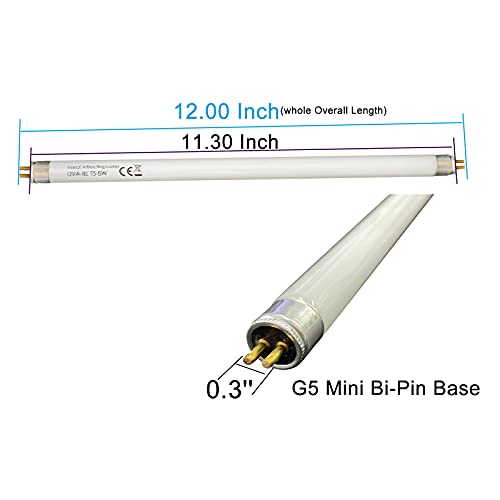
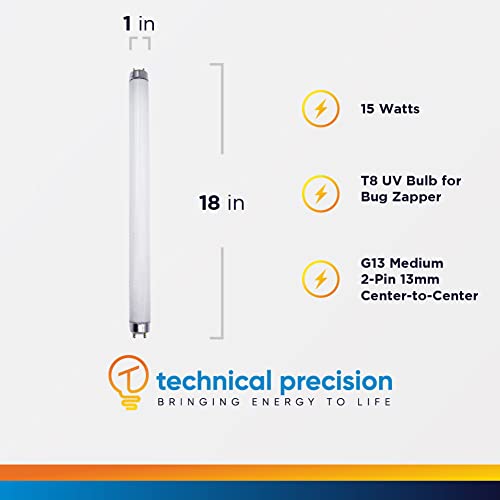
The first and most critical step in your search is verifying the physical footprint of your sconce. Fluorescent tubes are not universal. They are categorized by their length and their end-cap style. In sconce applications, you will most commonly encounter T5, T8, or T12 tubes. The 'T' stands for tubular, and the number following it represents the diameter in eighths of an inch. For example, a T8 tube is one inch in diameter. Generally, T8 tubes are the modern standard for residential sconces, offering a balance of brightness and energy efficiency. T12 tubes are older, thicker, and increasingly obsolete, while T5 tubes are much slimmer and often found in high-end, compact architectural lighting. Beyond length, you must identify the base type. Most sconces use a bi-pin configuration, but the spacing between those pins varies depending on whether you are using T5, T8, or T12 technology. Always measure your existing bulb from tip to tip and inspect the pins before purchasing.
Decoding Color Temperature and Lumen Output
Because sconces are often used for task lighting (like reading) or accent lighting (to highlight artwork), the 'color' of the light is paramount. Fluorescent bulbs are rated by Kelvin (K). If you want a cozy, warm atmosphere in a bedroom or hallway, look for 'Warm White' bulbs, typically in the 2700K to 3000K range. For kitchens or bathrooms where clarity is needed, 'Cool White' or 'Daylight' bulbs (4100K to 5000K) are preferable. Furthermore, pay close attention to lumen output rather than just wattage. Since fluorescent technology is more efficient than old incandescent bulbs, a low-wattage tube can still provide significant brightness. For a reading sconce, you want a higher lumen count to reduce eye strain. For a decorative wall sconce, a lower lumen count helps create a soft, diffused glow.
Compatibility with Existing Ballasts
This is where most consumers encounter trouble. A fluorescent tube does not connect directly to your home's electricity. It relies on a component inside the sconce called a ballast to regulate the current. Ballasts are designed for specific types of tubes. You cannot simply swap a T12 tube for a T8 tube without ensuring the ballast is compatible. If you attempt to use a tube that the ballast wasn't designed for, you may experience constant flickering, a loud buzzing sound, or the bulb may fail to strike entirely. If you are upgrading an older fixture, check if the ballast is 'Electronic' or 'Magnetic.' Electronic ballasts are much quieter and more efficient, whereas older magnetic ballasts are prone to humming. If you find yourself frequently replacing bulbs, it may be more cost-effective to replace the ballast itself or upgrade to a fixture designed for LED retrofit tubes.
Color Rendering Index (CRI) and Longevity
For sconces used in hallways or near art, the Color Rendering Index (CRI) is a vital metric. CRI measures how accurately a light source reveals the true colors of objects compared to natural sunlight. A CRI of 80 is standard, but if your sconce is illuminating a gallery wall or a vanity mirror, aim for a CRI of 90 or higher. This ensures that colors look vibrant and natural rather than washed out or gray. Finally, consider the rated lifespan. High-quality fluorescent tubes should offer a lifespan of at least 10,000 to 15,000 hours. While the initial cost may be slightly higher for premium brands, the reduction in maintenance—especially for sconces mounted in hard-to-reach places—makes them a much smarter long-term investment.