Understanding Color Temperature and Spectral Output
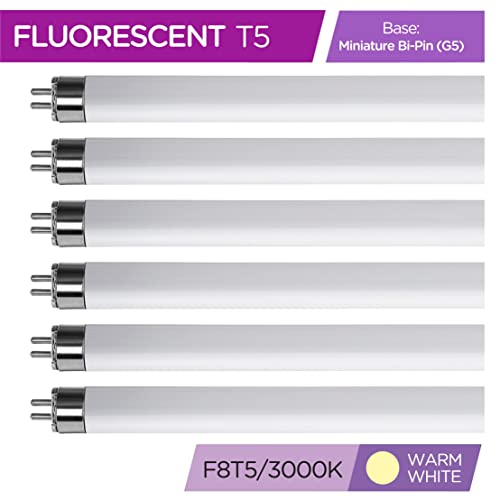
The most critical factor in selecting a fluorescent tube is the Correlated Color Temperature (CCT), measured in Kelvin (K). If you are selecting tubes for a workspace, you will likely gravitate toward 'Cool White' or 'Daylight' spectrums (typically 5000K to 6500K), which promote alertness and clarity. However, if the application involves color-critical work—such as photography, film, or textile manufacturing—you must look beyond Kelvin and focus on the Color Rendering Index (CRI). A high CRI (90 or above) ensures that colors appear vibrant and true to life, rather than washed out or skewed toward a specific tint. For specialized professional applications, look for tubes that offer a continuous spectrum to minimize 'spikes' in certain color wavelengths that can distort visual perception.
Base Type and Physical Dimensions
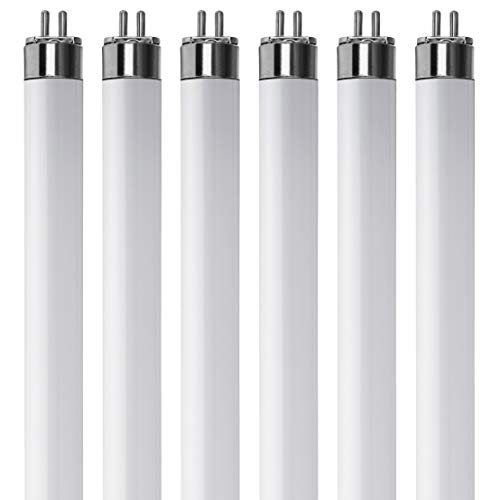
Before purchasing, you must verify the physical interface of the tube. Fluorescent tubes generally fall into two categories: Bi-pin and Single Contact. Bi-pin tubes (such as G13 or G5) use two small pins at each end to connect to the socket, which is the standard for most T8 and T12 tubes. Single contact tubes are more common in specialized or older vintage fixtures. Additionally, pay close attention to the diameter, indicated by the 'T' rating. A T8 tube is more efficient and common in modern commercial settings, whereas a T12 tube is thicker and often found in older, less energy-efficient installations. Attempting to use a T12 tube in a T8 fixture, or vice versa, will result in a failure to fit or electrical hazards.
Ballast Compatibility and Starting Methods
A fluorescent tube is only as good as the ballast driving it. You must determine if your existing fixture uses an electronic ballast or a magnetic ballast. Electronic ballasts are much more common in modern setups and provide flicker-free, instant-on performance. If you are upgrading older fixtures, ensure the new tubes are compatible with your current ballast type. Furthermore, consider the starting method: 'Instant Start' tubes turn on immediately but can cause more stress on the ballast and potentially flicker, while 'Programmed Start' tubes have a brief warm-up period but significantly extend the lifespan of the tube and the ballast by reducing electrical surges.
Longevity and Energy Efficiency
When evaluating the long-term value of your lighting, look at the rated life hours. Professional-grade tubes often boast lifespans ranging from 15,000 to 30,000 hours. While the initial cost may be higher, the reduction in maintenance cycles and replacement labor makes them more cost-effective over time. Additionally, consider the wattage-to-lumen ratio. A more efficient tube will provide more lumens (brightness) per watt of electricity consumed, which is a vital consideration for large-scale installations where energy costs can accumulate rapidly. Always check the lumen output rating to ensure the tube provides the actual light intensity required for your specific task or space.