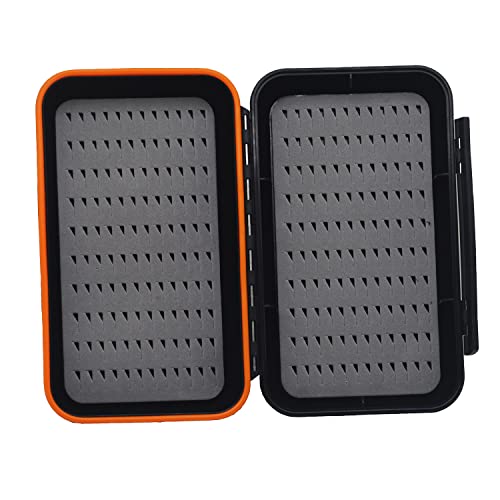
Material Integrity and Environmental Resistance
The first consideration when selecting an Alichino fly box is the material composition. Fly fishing is an inherently wet endeavor, and your storage must withstand constant exposure to moisture, UV rays, and physical impact. Look for high-density plastics or reinforced composites that offer a rigid structure. A box that flexes too much under pressure can compromise the seal, allowing moisture to seep in and rust your hooks. Furthermore, consider the lid mechanism. A robust, snap-tight closure is essential for preventing accidental openings in a backpack or vest pocket. If you frequently fish in extreme temperatures, ensure the material won't become brittle in the cold or warp in the summer sun.
Foam Density and Fly Retention
The internal architecture of the box is arguably its most critical feature. Alichino offers various foam configurations designed to hold different fly profiles. When choosing, consider the type of flies you primarily use. If you are a dry fly specialist, you need a high-density, fine-cell foam that can grip delicate hackles without crushing them. If you lean toward heavy streamers or large articulated flies, you may require a deeper foam bed or even specialized slots that prevent the hooks from tangling with one another. A common mistake is choosing a box with foam that is too soft. If the foam doesn't provide enough tension, your flies will slide around during transit, leading to a jumbled mess of tangled tippet and steel.
Capacity vs. Portability
One of the most significant trade-offs in fly box selection is the balance between storage capacity and ease of transport. Anglers generally fall into two camps: the 'one-box' minimalist and the 'specialist' collector. If you prefer a single, large box that holds your entire collection, look for multi-compartment designs with clear dividers. This allows you to categorize by species or fly type. However, if you prefer to carry specific kits for specific water types—such as a dedicated nymph box and a separate dry fly box—opt for slimmer, modular designs. Slimmer boxes are easier to tuck into a vest pocket or a small sling bag, providing quick access without the bulk that can hinder your movement in tight brush.
Visibility and Organization Systems
Efficiency on the water is measured in seconds. You do not want to be fumbling through an opaque box while a rising fish is waiting. Prioritize boxes with transparent lids or windows that allow for quick visual identification of your patterns. Additionally, consider the internal layout. Some Alichino designs utilize segmented trays or modular inserts. These are excellent for anglers who frequently change their tactics. Being able to swap out a compartment or move a divider allows you to customize your setup on the fly. Look for layouts that offer a logical progression—perhaps moving from smaller terrestrial patterns to larger, more aggressive predatory flies—to streamline your mental workflow while fishing.
Decision Logic Summary
To make the final call, ask yourself three questions: How many flies do I carry at once? What is the primary profile (size/weight) of my flies? And how much space do I have in my gear? If you are a heavy traveler, go for the modular, slim-profile boxes. If you are a local angler with a massive collection, invest in the high-capacity, multi-compartment rigid boxes. By matching the foam density and lid security to your specific environment, you ensure your flies remain in 'ready-to-fish' condition for years to come.