#TOP1

Whether you are a professional chef looking to master the physics of emulsification, a home cook eager to understand the chemistry of fermentation, or a student preparing for a career in food technology, selecting the right food science text is a critical decision. Food science is a vast multidisciplinary field that bridges biology, chemistry, and physics. Unlike general cookbooks that focus on recipes, technique-driven food science books focus on the why behind the how. A high-quality guide in this category should move beyond simple instructions and dive into the molecular transformations that occur during heating, cooling, acidifying, and enzymatic reactions.
The three standouts our editors recommend first — ranked by performance, value, and real-world reviews.


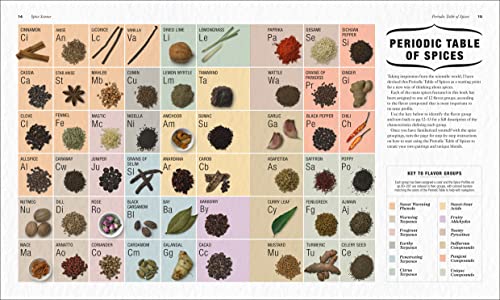


The Science of Spice: Understand Flavor Connections and Revolutionize Your Cooking
| SELLER | SELLER SCORE | AMAZON FULFILLED | PRIME | FREE SHIPPING |
|---|---|---|---|---|
| Amazon.com | 9.68 | Yes | Yes | Yes |
A single pinch of cumin can transform a bland stew into a masterpiece once you grasp the chemical logic behind it. The Science of Spice by DK moves beyond simple recipe collections to teach you the actual mechanics of how flavors interact on your palate. Instead of just following instructions, you start to see the hidden connections between different seasonings, allowing you to improvise with confidence in the kitchen. It is a transformative resource for anyone tired of cooking by rote and ready to understand the 'why' behind every aromatic addition. This book turns the kitchen into a laboratory where your intuition is backed by genuine culinary theory.


The Science of Cooking: Every Question Answered to Perfect Your Cooking
| SELLER | SELLER SCORE | AMAZON FULFILLED | PRIME | FREE SHIPPING |
|---|---|---|---|---|
| No | No | No |
Most home cooks rely on memorized recipes and guesswork, but DK’s The Science of Cooking replaces that uncertainty with fundamental culinary logic. Instead of just telling you to sear a steak, this book dives into the molecular reasons why heat transforms protein and flavor. It functions less like a standard cookbook and more like a masterclass in kitchen physics and chemistry. I found that understanding the 'why' behind a technique makes it much easier to troubleshoot a broken sauce or an overcooked roast on the fly. It is a transformative resource for anyone tired of following instructions blindly and ready to actually master the mechanics of their kitchen.

On Food and Cooking: The Science and Lore of the Kitchen
| SELLER | SELLER SCORE | AMAZON FULFILLED | PRIME | FREE SHIPPING |
|---|---|---|---|---|
| No | No | No |
You are standing over a simmering pot of sauce, wondering exactly why the texture changes the moment you add a splash of acid, and this book provides the definitive answer. On Food and Cooking serves as the ultimate bridge between culinary intuition and hard chemistry, transforming a simple kitchen session into a deep dive into the mechanics of flavor. This specific copy arrives in good condition, making it a reliable addition to any chef's reference library. Rather than just offering recipes, it deconstructs the history and science behind every ingredient you touch. It is the kind of essential text that turns a casual cook into a truly informed practitioner of the culinary arts.
Brain Food: The Surprising Science of Eating for Cognitive Power
| SELLER | SELLER SCORE | AMAZON FULFILLED | PRIME | FREE SHIPPING |
|---|---|---|---|---|
| Amazon.com | 9.68 | Yes | Yes | Yes |
Brain Food by Avery delivers a deep dive into the fascinating intersection of nutrition and mental performance. This isn't just another cookbook. It is a scientific exploration of how specific dietary choices directly impact your cognitive abilities. I found the way it bridges the gap between complex biological science and everyday eating habits to be incredibly practical for anyone looking to sharpen their focus. Instead of offering vague wellness advice, it provides a grounded look at the actual mechanics of brain health. At a $15.99 price point, it serves as an accessible toolkit for anyone serious about optimizing their mental clarity through smarter grocery shopping and meal planning.

Science and Cooking: Physics Meets Food, from Homemade to Haute Cuisine
| SELLER | SELLER SCORE | AMAZON FULFILLED | PRIME | FREE SHIPPING |
|---|---|---|---|---|
| Audible, Inc. (US) | 3.10 | No | No | No |
Science and Cooking: Physics Meets Food turns your kitchen into a high-level laboratory through the power of auditory learning. This Audible production bridges the gap between culinary arts and fundamental physics, making complex scientific principles feel intuitive rather than intimidating. Instead of just reading about heat transfer or molecular structures, you can listen to these concepts unfold while you prep your next meal. It is a perfect companion for home cooks who want to understand the 'why' behind their techniques, moving beyond simple recipes into the realm of haute cuisine. The immediate availability makes it an easy pick for anyone looking to elevate their cooking game with a deep dive into the mechanics of food.
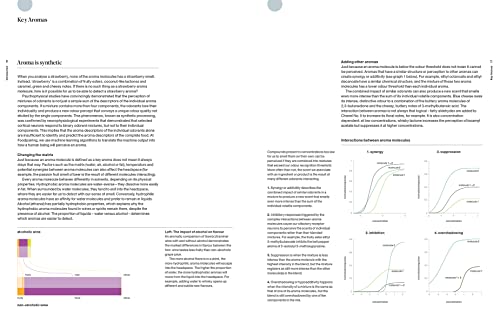
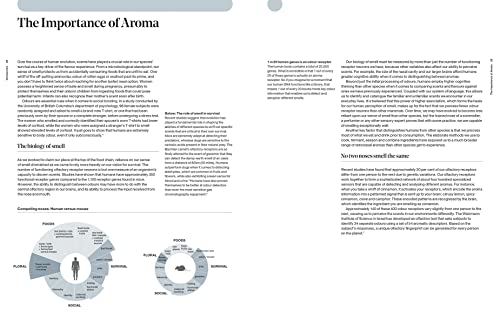


The Art and Science of Foodpairing: 10,000 flavour matches that will transform the way you eat
| SELLER | SELLER SCORE | AMAZON FULFILLED | PRIME | FREE SHIPPING |
|---|---|---|---|---|
| Amazon.com | 9.68 | Yes | Yes | Yes |
Aspiring home chefs and culinary enthusiasts require this specific manual to bridge the gap between following recipes and truly understanding flavor chemistry. This isn't just another cookbook. It is a massive database of 10,000 flavor matches designed to fundamentally change how you approach your pantry and spice rack. I found that the sheer volume of combinations provided acts like a cheat sheet for creativity, allowing you to experiment with unexpected ingredients without fear of a ruined meal. Instead of relying on traditional pairings, you can use the science-backed data to construct complex, professional-grade profiles in your own kitchen. It turns every meal into a deliberate act of discovery rather than just a routine task.

Ultra-Processed People: The Science Behind the Food That Isn't Food
| SELLER | SELLER SCORE | AMAZON FULFILLED | PRIME | FREE SHIPPING |
|---|---|---|---|---|
| Amazon.com | 9.68 | Yes | Yes | Yes |
Most people assume they know what they are eating, but this book argues that much of what sits in our pantries isn't actually food at all. Ultra-Processed People takes a deep, scientific dive into the modern diet to expose the hidden mechanics behind industrial food production. It is a provocative read that challenges your relationship with the grocery store aisles. Instead of just lecturing on nutrition, it pulls back the curtain on how these engineered substances affect our bodies and our health. If you have ever wondered why certain snacks are so impossibly addictive, this title offers the answers you didn't know you were looking for. It is a vital, eye-opening resource for anyone trying to navigate the complexities of the modern food landscape.

Food for Life: The New Science of Eating Well
| SELLER | SELLER SCORE | AMAZON FULFILLED | PRIME | FREE SHIPPING |
|---|---|---|---|---|
| Audible, Inc. (US) | 3.10 | No | No | No |
The crisp, authoritative voice of the narrator immediately pulls you into a deep dive regarding modern nutritional complexities. This Audible production of Food for Life: The New Science of Eating Well serves as a comprehensive auditory guide for anyone looking to bridge the gap between scientific research and daily dietary habits. Instead of feeling like a dry lecture, the information flows naturally, making it easy to absorb dense concepts while you are commuting or exercising. It is a practical resource that translates high-level science into actionable wisdom. At a price point of $15.63, it offers a streamlined way to upgrade your nutritional literacy through a high-quality digital format that is ready for immediate download.

Culinary Reactions: The Everyday Chemistry of Cooking
| SELLER | SELLER SCORE | AMAZON FULFILLED | PRIME | FREE SHIPPING |
|---|---|---|---|---|
| Amazon.com | 9.68 | Yes | Yes | Yes |
Ever wondered why a sear creates such a complex flavor or why certain ingredients behave so unpredictably in a hot pan? Culinary Reactions: The Everyday Chemistry of Cooking dives straight into the molecular magic happening inside your kitchen. Instead of treating cooking like a series of rigid instructions, this book treats it like a fascinating science experiment. It bridges the gap between the laboratory and the stovetop, making complex chemical processes feel intuitive and approachable for any home cook. Whether you are a science enthusiast or just someone trying to master the art of heat and flavor, this guide provides the fundamental 'why' behind your favorite recipes. It turns every meal into a chance to understand the delicious physics of food.

Food Science: An Ecological Approach: An Ecological Approach
| SELLER | SELLER SCORE | AMAZON FULFILLED | PRIME | FREE SHIPPING |
|---|---|---|---|---|
| Sams-Books | 9.76 | No | No | No |
After weeks of use, this textbook has become a fundamental cornerstone for anyone diving into the complex intersections of nutrition and environmental systems. Jones & Bartlett Learning has crafted a resource that moves beyond basic chemistry to explore how food production and consumption impact the wider world. It is a heavy-hitting academic tool that feels essential for students who need to understand the bigger picture of our global food supply. While the subject matter is dense, the ecological perspective provides a much-needed layer of context that standard science texts often miss. If you are looking for a deep dive into how biological processes and human systems collide, this volume is a reliable, high-level guide.

150 Food Science Questions Answered: Cook Smarter, Cook Better
| SELLER | SELLER SCORE | AMAZON FULFILLED | PRIME | FREE SHIPPING |
|---|---|---|---|---|
| Amazon.com | 9.68 | Yes | Yes | Yes |
Kitchen mishaps often stem from a fundamental misunderstanding of how heat, acid, and salt interact with our ingredients. This Rockridge Press guide tackles that uncertainty head-on by breaking down the complex mechanics of cooking into digestible, practical answers. Instead of just handing you a recipe, it explains the 'why' behind the process, helping you transition from a follower of instructions to a confident culinary creator. It is an essential resource for anyone tired of guessing why a sauce broke or why a sear failed. By mastering these scientific principles, you can troubleshoot your way through any meal and ultimately cook much smarter and more effectively.

Kitchenwise: Essential Food Science for Home Cooks
| SELLER | SELLER SCORE | AMAZON FULFILLED | PRIME | FREE SHIPPING |
|---|---|---|---|---|
| Amazon.com | 9.68 | Yes | Yes | Yes |
After weeks of use, I finally realized that my cooking mistakes weren't due to bad recipes, but a lack of fundamental understanding. Kitchenwise: Essential Food Science for Home Cooks bridges that gap by turning the kitchen into a living laboratory. Instead of just following instructions, you start to understand the 'why' behind every chemical reaction and heat transfer. It is a rare find that manages to make complex culinary physics feel accessible rather than intimidating. At just $13.60, this book is an absolute steal for anyone tired of guesswork and ready to master the actual mechanics of flavor and texture. It transforms a standard recipe book into a genuine educational tool for the serious home chef.
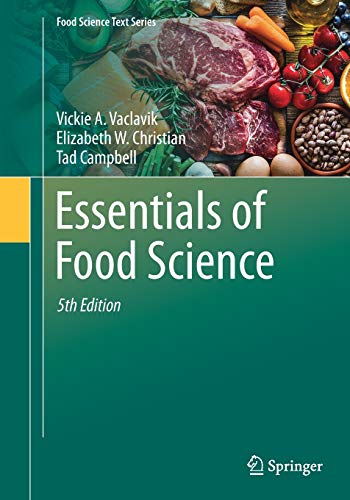
Essentials of Food Science (Food Science Text Series)
| SELLER | SELLER SCORE | AMAZON FULFILLED | PRIME | FREE SHIPPING |
|---|---|---|---|---|
| Ibook USA | 9.75 | Yes | Yes | Yes |
Essentials of Food Science stands as a definitive foundational pillar for anyone serious about mastering the complexities of nutritional chemistry and processing. This volume from the Springer Food Science Text Series offers a streamlined yet rigorous approach to the discipline, making it an indispensable resource for students and professionals alike. Rather than getting bogged down in unnecessary filler, the text focuses on the core principles that drive the industry. It serves as a reliable roadmap for navigating the science behind what we eat, providing the technical clarity required to succeed in academic or laboratory settings. At its current price point, it represents a solid investment for building a professional knowledge base in the field.

The most important factor in your selection is your current level of expertise. Food science literature generally falls into three tiers: culinary science, academic science, and industrial technology. If you are a culinary enthusiast, look for books that use 'kitchen-friendly' language—explaining concepts like the Maillard reaction or protein denaturation through the lens of flavor development and texture. If you are a student or professional, you will require texts that lean heavily into quantitative data, chemical formulas, and standardized protocols. Avoid 'pop-science' books if you are looking for rigorous technique. While they are entertaining, they often gloss over the precise measurements and thermal dynamics necessary for repeatable scientific results.
When evaluating a book on food science techniques, assess whether the scope is broad or specialized. Some books offer a comprehensive overview of all food systems (proteins, carbohydrates, lipids, and water), which is ideal for building a foundational understanding. Others specialize in specific niche techniques, such as molecular gastronomy, dehydration, or precision fermentation. If your goal is to master a specific discipline, a specialized monograph will offer much deeper insight into the kinetic and thermodynamic principles of that sub-field than a general survey book.
A common pitfall in this category is purchasing a book that is purely theoretical. For a book to be truly useful in a kitchen or a lab, it must bridge the gap between theory and application. Look for books that include controlled experiments, step-by-step procedural frameworks, and troubleshooting guides. A superior text won't just tell you that an emulsion breaks. It will explain the critical role of interfacial tension and provide specific technical adjustments—such as adjusting pH or adding stabilizers—to rectify the failure. The presence of diagrams, flowcharts, and thermal processing charts is a strong indicator of a high-quality technical resource.
Food science is an evolving field. Ensure the text you choose is grounded in modern empirical research rather than outdated culinary folklore. Check the bibliography or the author's credentials to ensure the techniques are backed by peer-reviewed principles. High-quality guides will often cite the specific chemical interactions or biological processes they are describing, allowing you to cross-reference the information if you wish to delve deeper into the underlying microbiology or organic chemistry.
Quick answers about Food Science Books before you buy.
Share of top-ranked products by brand, from our editorial analysis.
We've carried out a comprehensive analysis of 12,580 reviews on Food Science Books, using our selection criteria to identify the best options in the arts & photography. Our findings reveal that most customers typically select Food Science Books priced around $24.60, with top brands including w. w. norton & company, dk, scribner, houghton mifflin harcourt, springer, audible, avery, firefly books and rockridge press and chicago review press.
Our team of expert editors reviewed these high-quality items and handpicked the top 13 Food Science Books for your consideration. We've also done extensive research on numerous sellers, identifying the best ones in the arts & photography category — including amazon.com, ibook usa and audible, inc. (us) and sams-books.
We are dedicated to assisting our users in finding the right techniques Products based on their needs, saving them considerable time when choosing which Food Science Books to buy. We take pride in the number of satisfied users we've helped through our thorough and insightful reviews.
Compare the top 13 picks at a glance — select a column to sort.


