Understanding Stud Configuration and Surface Type
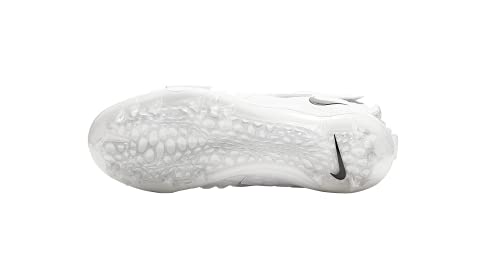
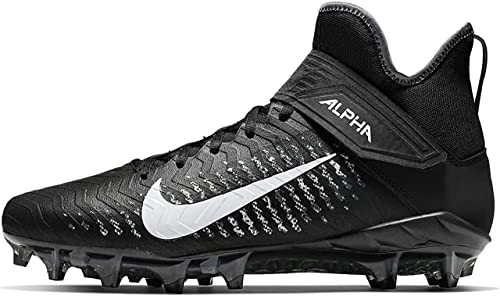
The most critical decision you will make is matching your cleat pattern to the playing surface. Football is played on various terrains, and using the wrong stud configuration can lead to increased injury risk or poor traction. For natural grass fields, look for traditional stud patterns that penetrate the soil to provide grip. However, if you primarily play on synthetic turf, you must opt for turf-specific cleats. Turf shoes typically feature shorter, more numerous, and often circular studs. This prevents the 'stud pressure' sensation where the plastic cleats dig too deeply into the hard artificial ground, which can cause discomfort and even ankle instability.
Position-Specific Design Requirements
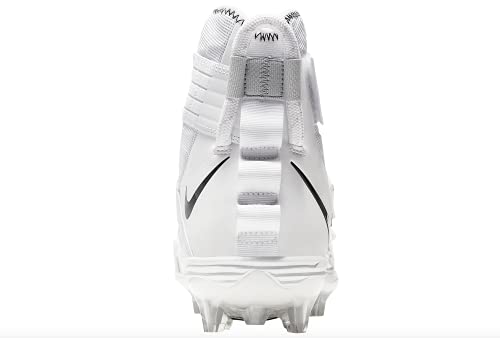
Football is a game of specialized roles, and your footwear should reflect your position on the field. Linemen require stability and power. Look for cleats with a slightly heavier build, a wider base, and reinforced materials that can withstand the constant pushing and shoving in the trenches. These players benefit from more substantial cushioning to absorb the impact of heavy contact.
Skill positions—such as wide receivers, defensive backs, and running backs—prioritize speed and agility. For these roles, seek out lightweight, streamlined designs that minimize drag. A low-profile silhouette allows for quicker footwork and rapid changes of direction. The upper material should be thin enough to provide a 'second-skin' feel, ensuring that every movement of your foot is instantly translated to the field.
Upper Materials and Lockdown Fit
The 'upper' is the part of the cleat that wraps around your foot, and it dictates how much control you have over your movements. Synthetic uppers are highly durable, easy to clean, and tend to hold their shape well over a long season. They are excellent for providing a consistent fit. On the other hand, leather uppers offer superior natural flexibility and tend to mold to the unique shape of your foot over time, providing a custom-like feel.
Regardless of material, the 'lockdown' is paramount. A football cleat must feel secure. If your foot slides inside the shoe during a hard cut, you risk blisters and lost momentum. Look for lace systems that distribute pressure evenly across the midfoot and heel counters that lock your foot firmly in place to prevent heel slippage.
Durability and Long-Term Comfort
Football cleats undergo immense stress. The constant torque applied during pivoting can cause the soleplate to delaminate or the upper to tear at the flex points. When evaluating a pair, inspect the stitching and the bond between the sole and the upper. Additionally, consider the insole and midsole cushioning. While some players prefer a minimal feel, a moderate amount of shock absorption is vital for protecting your joints from the repetitive impact of sprinting and sudden stops. Investing in a high-quality cleat means looking for reinforced toe boxes and high-density foam that won't flatten out after just a few games.