Understanding Regional Engineering Philosophies
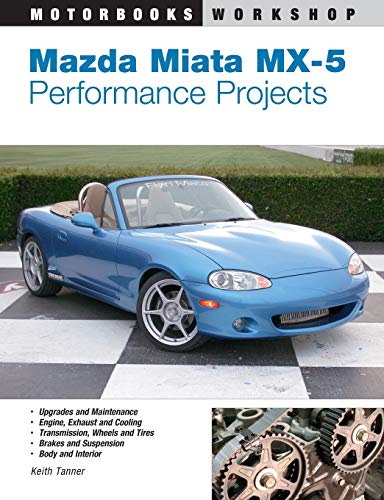
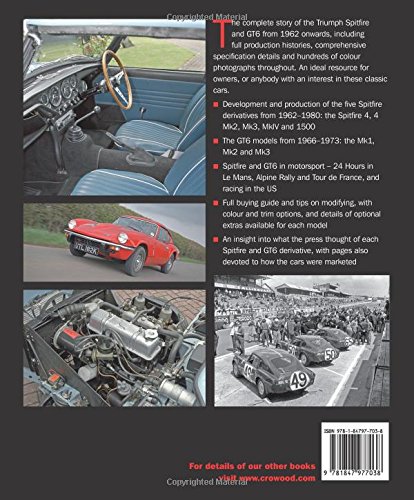
The first step in any foreign automotive purchase is identifying which regional school of thought aligns with your driving objectives. German-engineered vehicles are the gold standard for high-speed stability and sophisticated interior ergonomics. They are built for the Autobahn, meaning they excel at sustained high-velocity cruising. Japanese imports, conversely, often lead the market in reliability, technological integration, and the availability of aftermarket tuning parts. If you are looking for driver-centric engagement and lightweight agility, you might lean toward Italian or British marques, which prioritize visceral feedback and emotional connection over pure utilitarianism. Knowing these distinctions prevents the mistake of buying a vehicle that meets your aesthetic desires but fails your functional requirements.
Maintenance Ecosystems and Parts Availability
A critical mistake made by novice collectors is overlooking the 'support ecosystem.' When you step outside of domestic manufacturing, you are no longer just buying a machine. You are entering a specific maintenance lifecycle. Before committing, investigate the local availability of specialized technicians. Does your region have a community of experts familiar with these specific international drivetrains, or will you be forced to ship the vehicle to a specialist halfway across the country? Furthermore, evaluate the ease of sourcing consumables. While high-end European marques offer unparalleled performance, the cost of proprietary fluids, gaskets, and electronic sensors can be significantly higher than domestic counterparts. A vehicle that is beautiful but lacks a local parts network is a liability, not an asset.
When evaluating foreign automotive options, you must decide where you sit on the spectrum of 'Track vs. Street.' High-performance imports often feature stiffened suspensions and aggressive camber settings that make them incredible on a circuit but punishing during a daily commute. Consider the 'usability tax' you are willing to pay. A vehicle optimized for aerodynamic efficiency might have limited visibility or a cramped cabin, while a luxury-focused import might sacrifice raw power for a whisper-quiet ride. Analyze your intended use case: if the vehicle is a weekend enthusiast piece, prioritize raw mechanical engagement. If it is an international touring vehicle, prioritize adaptive damping and advanced driver-assistance systems.
Provenance and Documentation
In the international market, the history of the vehicle is as important as its current condition. Because many foreign models are imported through various channels, verifying the provenance is essential. Look for comprehensive service records that prove the vehicle has been maintained according to the specific intervals required by its manufacturer. For enthusiast-grade imports, check for any modifications that may have altered the original engineering intent. A well-documented vehicle with a clear history of specialized care will always hold its value better than a high-mileage import with an ambiguous service background.