#TOP1
Cultivating your own edible garden begins with the quality of your starting point. When you choose fruit plant seeds, you aren't just buying a packet of potential. You are investing in future harvests, seasonal flavors, and the satisfaction of homegrown nutrition. Selecting the right seeds requires more than just picking a favorite fruit. It demands an understanding of your local microclimate, your available growing space, and the specific botanical characteristics of the varieties offered. This guide is designed to help you navigate the nuances of fruit seed selection so you can move from germination to a bountiful harvest with confidence.
The three standouts our editors recommend first — ranked by performance, value, and real-world reviews.




Outsidepride Vaccinium Vitis-idaea Mountain Cranberry Fruit Plant Seeds - 1000 Seeds
| SELLER | SELLER SCORE | AMAZON FULFILLED | PRIME | FREE SHIPPING |
|---|---|---|---|---|
| Outsidepride | 9.87 | Yes | Yes | Yes |
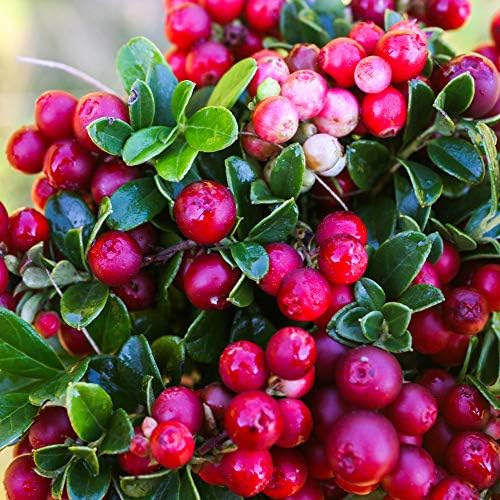
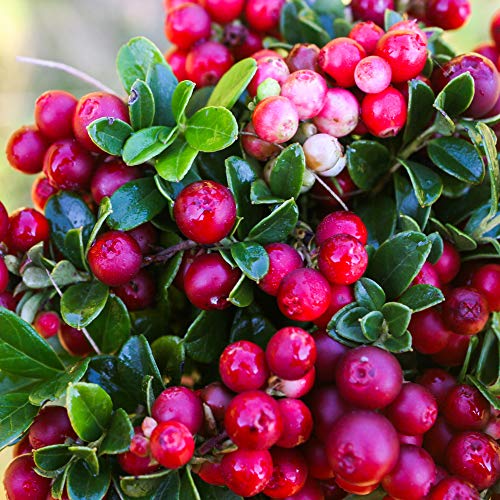
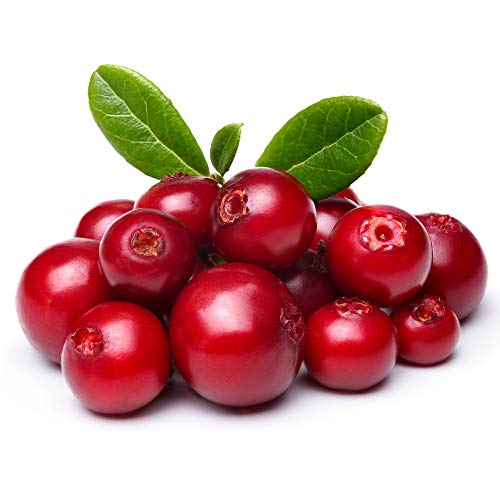
Boreal forest enthusiasts and foragers looking to cultivate a wild, edible landscape should prioritize these Outsidepride Mountain Cranberry seeds. Known by a dizzying array of names like Lingonberry, Cowberry, or Foxberry, this short evergreen shrub is a powerhouse for USDA zones 2 through 7. I love that these low-growing perennials only reach about 6 to 12 inches, making them perfect for ground cover in cooler climates. Whether you are aiming to recreate a Scandinavian staple or simply want a hardy, edible heath family plant in your yard, this 1000-seed pack offers incredible scale. Just remember to space your plantings 18 to 24 inches apart and sow about 4 to 5 seeds per spot to get your mountain cranberry patch established.



Outsidepride Insectary Wild Flower Seed Mix Attracting Beneficial Insects - 1/4 LB
| SELLER | SELLER SCORE | AMAZON FULFILLED | PRIME | FREE SHIPPING |
|---|---|---|---|---|
| Outsidepride | 9.86 | Yes | Yes | Yes |
Transforming a neglected patch of yard into a buzzing, vibrant ecosystem is remarkably easy with this Outsidepride insectary mix. I love how this blend bridges the gap between aesthetic beauty and functional gardening. While the white yarrow and baby blue eyes create a stunning visual display, they are secretly working to bring in ladybugs and lacewings. Because the mix combines perennials like white dutch clover with fast-growing annuals like sweet alyssum, you get a continuous bloom from early spring all the way through fall. It is a brilliant strategy for anyone looking to boost their vegetable garden yields through natural pollination while simultaneously tackling soil enrichment and erosion control. Covering up to 1,000 square feet with just a quarter pound makes it an incredibly efficient way to support local biodiversity.



Outsidepride Blue Hyssop Herb Aromatic Culinary & Medicinal Herb Garden Plants - 1000 Seeds
| SELLER | SELLER SCORE | AMAZON FULFILLED | PRIME | FREE SHIPPING |
|---|---|---|---|---|
| Outsidepride | 9.87 | No | No | No |
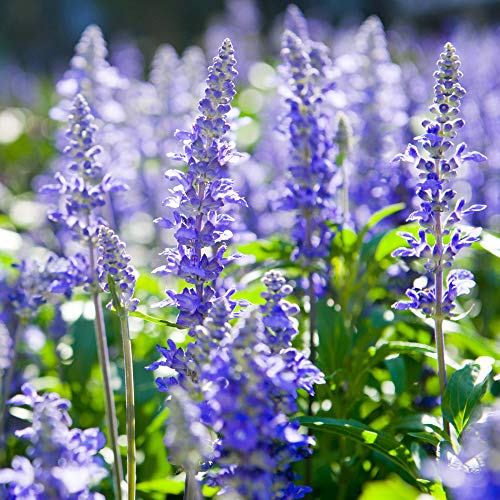
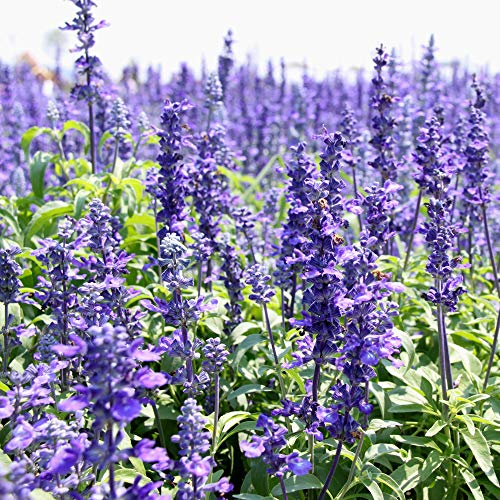
Outsidepride Blue Hyssop seeds offer a massive 1,000-count yield for gardeners looking to cultivate a versatile, aromatic perennial. This hardy plant reaches about two feet in height, sporting woody stems and striking purple flower spikes that work beautifully as a low-maintenance hedge or border. I love how multifunctional it is. The young leaves provide a unique, minty, and slightly bitter flavor that elevates everything from green salads and soups to specialty liqueurs and teas. Growing them is straightforward if you pick a sunny, well-draining spot, and they even thrive in containers. For the best culinary results, harvest the green matter just before the flowers open and dry them in bunches to preserve that pungent, medicinal scent.

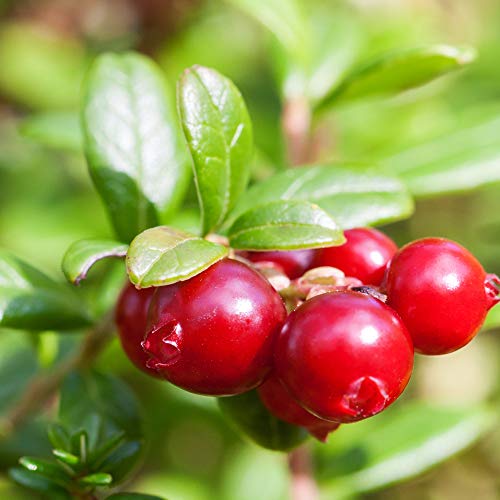

Outsidepride Vaccinium Macrocarpon Cranberry Garden Fruit Plants - 250 Seeds
| SELLER | SELLER SCORE | AMAZON FULFILLED | PRIME | FREE SHIPPING |
|---|---|---|---|---|
| Outsidepride | 9.87 | No | No | No |
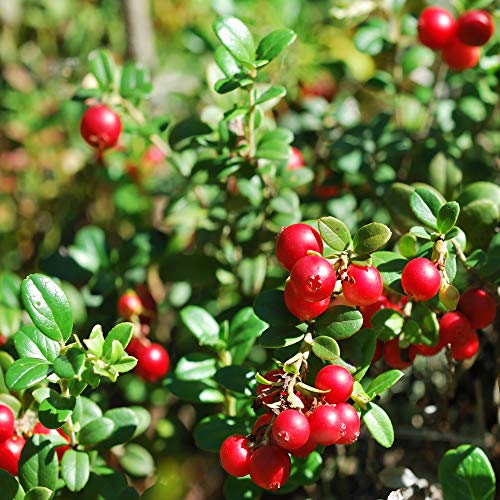
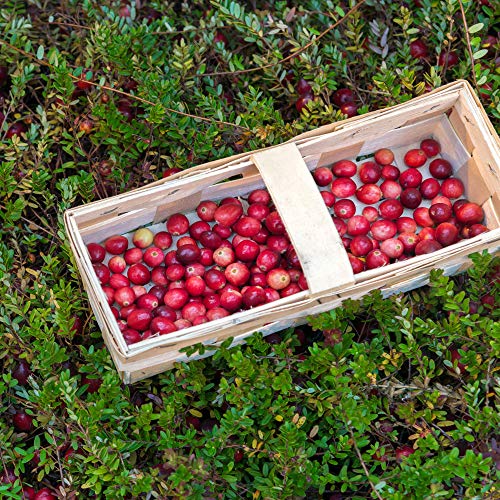
Home gardeners with a passion for edible landscaping and high-antioxidant superfoods absolutely must add these Vaccinium Macrocarpon seeds to their spring planting list. These spreading, attractive plants reach about 16 inches in height and offer a unique ornamental look while providing a delicious harvest. You don't need a massive bog to succeed. These are versatile enough for raised beds, planter boxes, or even large decorative pots on a patio. The process requires a bit of patience, specifically a three-month refrigeration period to prep the seeds, but the payoff of harvesting berries within the first year is incredibly rewarding. Whether you are growing them indoors or outdoors in USDA zones 2 through 8, these native North American plants turn any garden into a functional, beautiful edible space.


Outsidepride Wild Senna Perennial Medicinal Herb Garden & Pollinator Plant & Bird Food Source - 100 Seeds
| SELLER | SELLER SCORE | AMAZON FULFILLED | PRIME | FREE SHIPPING |
|---|---|---|---|---|
| Outsidepride | 9.87 | No | No | No |
After weeks of watching my garden transform, the impact of these Wild Senna seeds has become undeniable. This isn't just another filler plant for your flower beds. It is a tall, striking perennial that reaches up to six feet and brings a massive burst of yellow color to the summer landscape. I was particularly impressed by how well it handles the heat once established, making it a reliable choice for dry sites or larger meadow conservation projects. Beyond the aesthetics, it serves a dual purpose by acting as a vital food source for bumble bees and butterflies, while the seeds even provide nourishment for game birds like quail. It is a hardy, long-lived addition that turns a standard border into a functional, medicinal ecosystem.


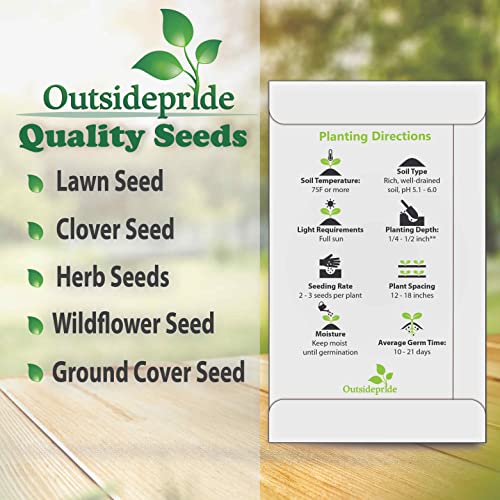
Outsidepride Solanum Ornamental Eggplant Indoor or Outdoor Edible Fruit Plants - 2000 Seeds
| SELLER | SELLER SCORE | AMAZON FULFILLED | PRIME | FREE SHIPPING |
|---|---|---|---|---|
| Outsidepride | 9.86 | No | No | No |
Gardeners looking to add a touch of historical whimsy and exotic flair to their patio or windowsill need these Solanum ornamental eggplant seeds immediately. This isn't just your standard vegetable patch addition. It is a conversation starter that brings a tropical aesthetic to USDA zones 4 through 10. I love how the purple blooms transition into striking, goose-egg-shaped fruit that shifts from white to a beautiful golden hue as they mature. Whether you are planting them in a sunny outdoor spot or keeping them on an indoor windowsill, these 24-inch plants are remarkably versatile. You can even sample the ripened fruit for a melon-like flavor. With a massive 2000-seed count, you have plenty of room to experiment with this Thomas Jefferson-inspired variety.

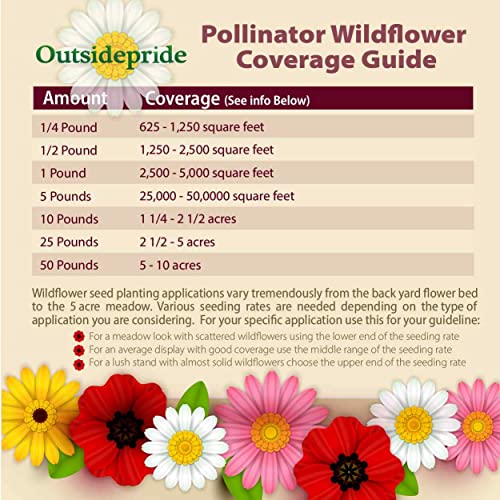
Outsidepride Pollinator Wild Flower Seed Mix for Attracting Pollinating Insects - 1/4 LB
| SELLER | SELLER SCORE | AMAZON FULFILLED | PRIME | FREE SHIPPING |
|---|---|---|---|---|
| Outsidepride | 9.86 | Yes | Yes | Yes |
Outsidepride Pollinator Wildflower Seed Mix turns a standard backyard into a vital sanctuary for the insects that sustain our global food supply. This blend is a thoughtful combination of annuals and perennials that can reach heights of two to three feet, providing significant visual impact and habitat depth. Because pollinators are responsible for the fruit and seed production of up to 80 percent of the world's flowering plants, planting this mix feels less like gardening and more like an essential ecological contribution. It is incredibly versatile, thriving across USDA zones 3 through 10. Whether you are trying to cover a small patch of 625 square feet or a massive meadow, the sowing rate is straightforward and effective for creating a lush, buzzing landscape.
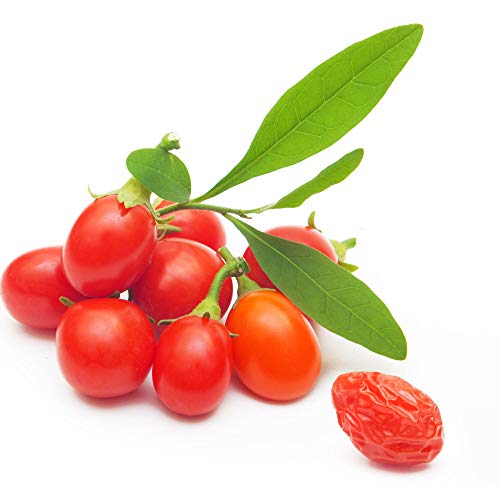


Outsidepride Goji Berry AKA Wolfberry Plants with Edible Fruits - 10 Seeds
| SELLER | SELLER SCORE | AMAZON FULFILLED | PRIME | FREE SHIPPING |
|---|---|---|---|---|
| Outsidepride | 9.86 | No | No | No |
Patience is the most critical ingredient in your garden if you want to harvest these nutrient-dense wolfberries. While these Outsidepride heirloom seeds are surprisingly easy to start, you have to be prepared for a long-term commitment since it can take up to three years before you see your first edible fruit. Once established, these perennials are incredibly versatile. You can let them sprawl across your garden beds or train them up a trellis to manage their impressive ten-foot growth potential. They thrive in USDA Zones 5 through 9, making them a hardy addition to many landscapes. Just remember to sow two to three seeds per plant to ensure you get a healthy, productive wolfberry bush that delivers high nutritional value for years to come.


Outsidepride Perennial Coffee Bean Garden Plant Seeds Coffea Arabica - 100 Seeds
| SELLER | SELLER SCORE | AMAZON FULFILLED | PRIME | FREE SHIPPING |
|---|---|---|---|---|
| Outsidepride | 9.87 | No | No | No |
Aspiring indoor gardeners and tropical plant enthusiasts need these Outsidepride Coffea Arabica seeds to transform a standard windowsill into a fragrant, living coffee grove. Growing your own beans is a fascinating journey, watching star-shaped, scented flowers eventually yield fruit that shifts from green to deep red and nearly black. These dwarf bushes are perfect for potted life, making them ideal for indoor settings or frost-free outdoor zones. Just keep in mind that patience is mandatory. You'll need to soak the seeds overnight and maintain temperatures between 80-85F for up to 90 days to see results. Once established in well-drained soil and partial shade, these long-lived perennials offer a unique, rewarding connection to your morning caffeine ritual.

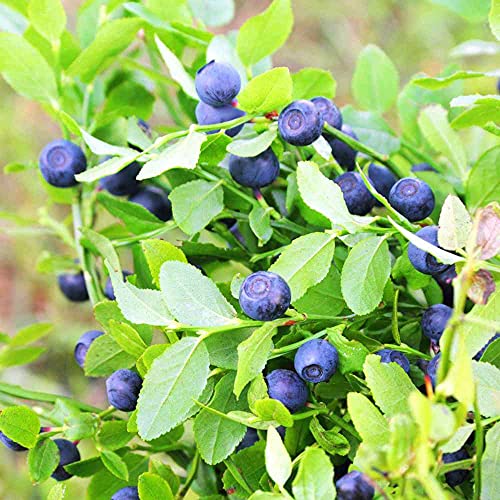

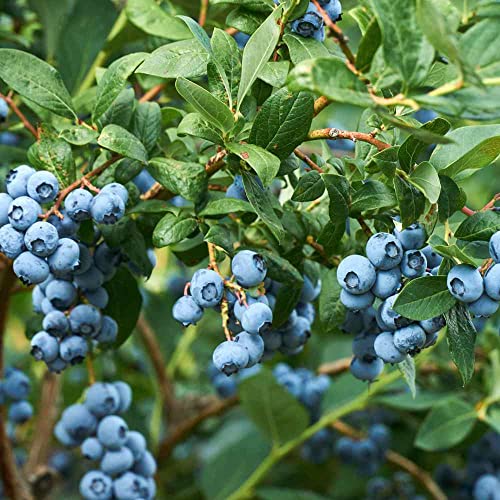

Outsidepride Perennial Northern Highbush Blueberry Fruit Garden Plants - 1000 Seeds
| SELLER | SELLER SCORE | AMAZON FULFILLED | PRIME | FREE SHIPPING |
|---|---|---|---|---|
| Outsidepride | 9.86 | No | No | No |
Outsidepride’s Northern Highbush blueberry seeds are a top-tier choice for gardeners looking to build a high-antioxidant home orchard from scratch. These heirloom Vaccinium corymbosum seeds offer an incredible value, especially since you are working with a massive 1000-seed count. While you need to be patient—expecting germination in 8 to 12 weeks and fruit production around year two—the payoff is a massive 5 to 8-foot shrub packed with fiber and vitamin C. Just keep in mind that these aren't low-maintenance plants for every backyard. You must maintain acidic soil with a pH between 4.5 and 5.0 and provide consistent weekly watering. If you have the right soil conditions and a sunny spot, these perennials are a nutritional powerhouse for your garden.

The first decision you will face is whether to prioritize heirloom varieties or modern hybrids. Heirloom seeds are prized by many fruit gardeners because they are genetically stable, meaning the fruit you grow from them will be identical to the parent plant. This allows for seed saving year after year, creating a sustainable cycle in your garden. On the other hand, hybrid varieties are often bred for specific traits such as disease resistance, uniform ripening, or enhanced sweetness. If you are a beginner looking for high success rates and plants that can withstand common local pests or fungal issues, hybrids might be your best entry point. However, if you are looking to preserve rare flavors and historical plant lineages, heirloom selections are indispensable.
Fruit plants are notoriously sensitive to temperature fluctuations and seasonal shifts. Before adding a seed variety to your cart, you must cross-reference its requirements with your local hardiness zone. Some fruits require a specific number of 'chill hours' during the winter to trigger flowering in the spring. If you live in a warmer climate, selecting a fruit that requires heavy winter dormancy will lead to disappointment. Conversely, if you are in a cooler region, look for varieties labeled as frost-tolerant or those that have a shorter growing season. Pay close attention to descriptions regarding sun exposure. Most fruit-bearing plants require full sun (at least 6 to 8 hours of direct sunlight) to produce the sugars necessary for sweet, juicy fruit.
Your physical environment dictates which seeds are practical for your lifestyle. If you are gardening on a balcony or a small patio, you should prioritize varieties that are compact or suitable for container gardening. Many fruit species can be bred or selected for a more dwarf-like growth habit, making them ideal for pots. If you have a sprawling backyard, you have the luxury of selecting larger, more vigorous varieties that might eventually require pruning or even trellising. Always consider the mature size of the plant. A seed that looks small in a packet can grow into a massive bush or vine that may overwhelm a small garden bed if not properly planned.
The ultimate metric of seed quality is the germination rate. High-quality fruit seeds should come with clear documentation regarding their viability. When reviewing options, look for indications of recent harvesting and professional packaging that protects the seeds from moisture and light. Fruit seeds, particularly those from fleshy fruits, can lose viability quickly if not stored correctly. A higher germination percentage ensures that you won't be left with empty soil and wasted effort. If a variety is known for having a difficult or slow germination period—common with certain perennial fruit species—be prepared to use methods like stratification (cold treatment) or scarification to assist the process.
Finally, define your goal. Are you looking for a snackable fruit to eat straight from the vine, or are you looking for fruit with high acidity for baking and preserves? Some varieties are bred specifically for their juice content, while others are selected for their firm texture, which makes them better for salads. Matching the seed variety to your culinary needs ensures that the effort of growing the plant results in a product that actually enhances your kitchen experience.
Quick answers about Outsidepride Fruit Plants before you buy.
Share of top-ranked products by brand, from our editorial analysis.
We've carried out a comprehensive analysis of 202 reviews on Outsidepride Fruit Plants, using our selection criteria to identify the best options in the categories. Our findings reveal that most customers typically select Outsidepride Fruit Plants priced around $9.39.
Our team of expert editors reviewed these high-quality items and handpicked the top 10 Outsidepride Fruit Plants for your consideration..
We are dedicated to assisting our users in finding the right seeds Products based on their needs, saving them considerable time when choosing which Outsidepride Fruit Plants to buy. We take pride in the number of satisfied users we've helped through our thorough and insightful reviews.
Compare the top 10 picks at a glance — select a column to sort.


