Best Mndrlin Fruits in 2026

Daisy
Last Updated: Sep 5, 2026
Daisy
Last Updated: Sep 5, 2026


* PickSmartly editors independently research, review, and endorse the top products through comprehensive data analysis. We may earn a commission for qualifying purchases made through our product links.
| SELLER | SELLER SCORE | AMAZON FULFILLED | PRIME | FREE SHIPPING |
|---|---|---|---|---|
| Wekiva Foliage | 9.34 | ❌ | ❌ | ❌ |
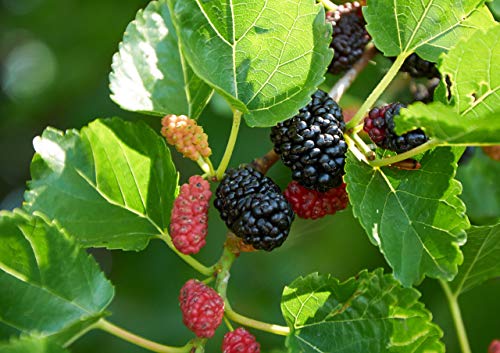
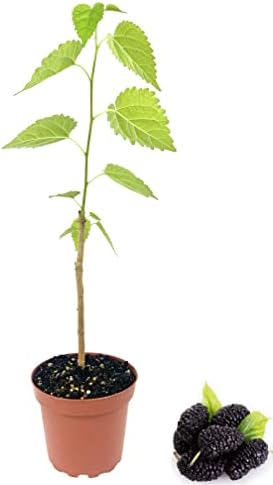
Grown, packaged and shipped exclusively by Wekiva Foliage. The mulberry plant family, Moraceae, also includes figs, jackfruit, and breadfruit. Mulberry trees produce small, sweet fruits that resemble slender blackberries. Mulberry fruits are quite popular with wildlife. Visiting creatures will reduce the harvest for your personal use, but on a good sized tree there should be enough fruits for all to enjoy.
Red mulberry (Morus rubra), is a native, deciduous tree, found in moist soils from South Florida to west Texas. Also called American Mulberry, this tree grows to heights of 40 feet tall with the tree growing taller in the northern parts of its range.
Mulberry trees can be planted in many Florida landscapes as they thrive in infertile, sandy soils, are drought tolerant after establishment, and moderately wind resistant. These trees do best in full sun to light shade. Native red mulberry trees are usually found growing in the shade of larger trees.
When choosing a location, keep in mind that fallen fruits stain the surfaces they land on, so it's best to avoid planting over driveways, sidewalks, and patios.
Mulberry trees require very little maintenance; they rarely require irrigation after establishment and generally do not require fertilization. As far as pruning goes, you can perform light pruning when trees are young to help create a strong framework of branches.
| SELLER | SELLER SCORE | AMAZON FULFILLED | PRIME | FREE SHIPPING |
|---|---|---|---|---|
| Wekiva Foliage | 9.34 | ❌ | ❌ | ❌ |
Grown, packaged and shipped exclusively by Wekiva Foliage. Once considered a fruit for royalty, the pomegranate is a delicious addition to your backyard orchard or edible landscaping. Its beautiful, showy, red-orange flowers become decorative fruit in the fall.
Best known for the antioxidant-rich fruit it produces, the pomegranate shrub is widely grown throughout the Mediterranean region. Its tubular blooms begin to appear in late May and early June, providing nice spring color, while the fruit ripens from September to October. The fruit is a bit unusual, as the only edible parts are the jewel-like arils and seeds found inside.
The pomegranate fruit is a leathery skinned red sphere known as an aril. The thick aril contains several hundred juicy red edible fruits that are similar to berries. They are known for their antioxidant properties and many associated health benefits.
The pomegranate tree will adapt to either acidic or alkaline soil, though it prefers something in the range of 5 to 7 pH. Add plenty of organic well-rotted compost to your soil, as this will both improve drainage and also improve the quality of the soil, providing much-needed nutrients to the pomegranate tree.
The pomegranate tree is drougt tolerant and can be grown in a dry area and in areas where there is good rainfail. It is best not to plant in wet areas as they are prone to root decay for fungal diseases. They also tolerate dipping temperatuares down to about 10 degrees but should be planted in an area of protection from direct winter winds.
| SELLER | SELLER SCORE | AMAZON FULFILLED | PRIME | FREE SHIPPING |
|---|---|---|---|---|
| Wekiva Foliage | 9.33 | ❌ | ❌ | ❌ |
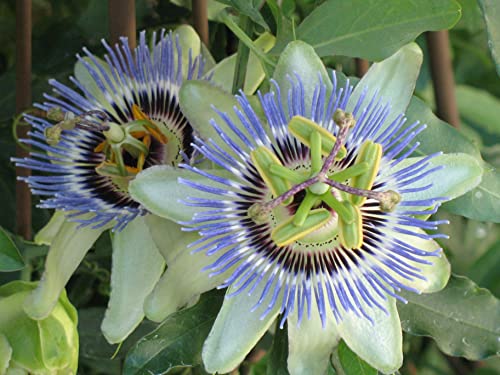
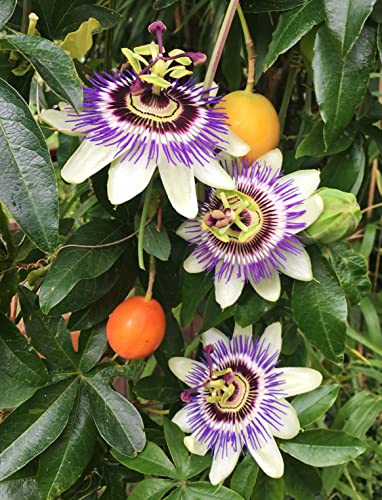
Grown, packaged and shipped exclusively by Wekiva Foliage. Not only do they produce mouth-wateringly delicious fruit, passionfruit vines can also serve as a stunning camouflage over unsightly walls and fences.
Position your passionfruit vine in full sun with protection from strong winds. In colder climates, choose a spot in front of north facing wall to utilise to radiated heat.
The passion fruit is a vigorous, climbing vine that clings by tendrils to almost any support. It can grow 15 to 20 ft. per year once established and must have strong support. It is generally short-lived (5 to 7 years).
Passionfruit vines grow extensive root systems so ensure the spot you choose to plant has plenty of space, free from weeds, competing plants and grass. They will also spread up to 10 metres squared so choose or build a structure that can accomodate it. Passionfruit vines can be trained to grow along your fence, on a trellis or over an arbour, just install some wire or mesh to support its tendrils.
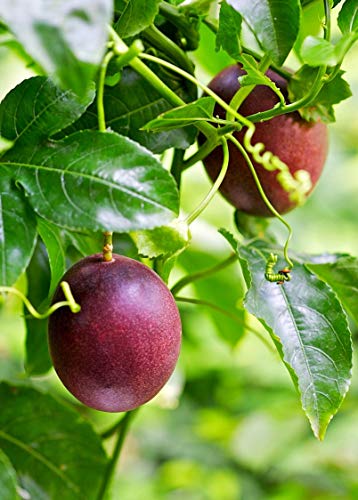
The nearly round or ovoid fruit, 1-1/2 to 3 inches wide, has a tough rind that is smooth and waxy and ranging in hue from dark purple with faint, fine white specks, to light yellow or pumpkin-color. Within is a cavity more or less filled with an aromatic mass of double walled, membranous sacs containing orange-colored, pulpy juice and as many as 250 small, hard, dark brown or black, pitted seeds. The unique flavor is appealing, musky, guava-like and sweet/tart to tart.
| SELLER | SELLER SCORE | AMAZON FULFILLED | PRIME | FREE SHIPPING |
|---|---|---|---|---|
| Wekiva Foliage | 9.34 | ❌ | ❌ | ❌ |
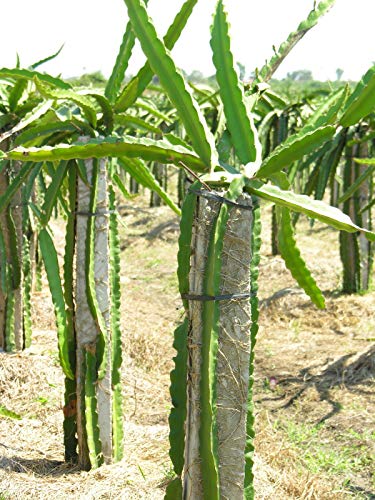
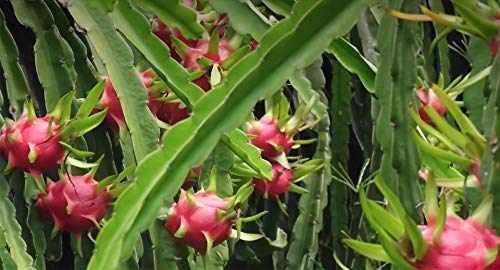
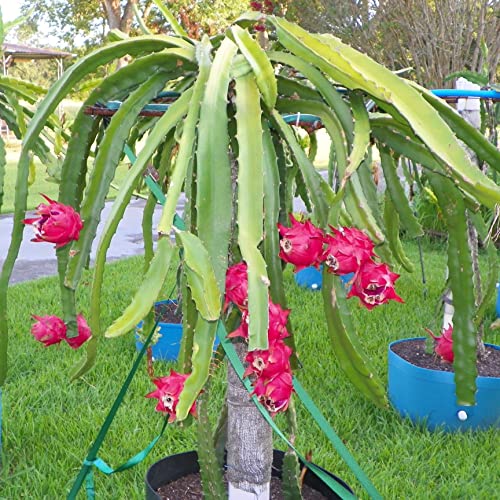
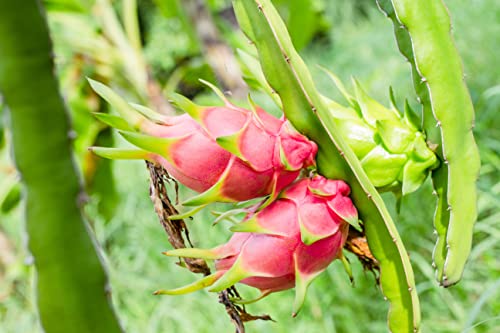
Dragon fruit is a white-fleshed fruit with tiny black seeds and vibrant pink skin. Each fruit weighs between 150-600g and is commonly used in fruit salads, smoothies and salads. It has little flavour and its texture closely resembles that of kiwi fruit. To prepare all you to do is to cut the fruit in half and then scoop out the flesh.
dragon fruit is native to South America, but you’ll also found it grown in parts of Indonesia, Taiwan, Southern California and most recently Australia. Dragon fruit grows on cactus plants which love warm, humid climates and needs very little water. They are subtropical plants which need at least six hours of sunlight per day. They will also grow well in a warm and sunny spot indoors.
In the right conditions dragon fruit plants grow can grow to be quite tall and will put down aerial roots as they grow so make sure your pot is at least 40cm in diameter. Also, remember that dragon fruit plants are climbers so give them a stake or something else to climb on.
Growing dragon fruit outdoors in your garden is a fail-proof way to add colour and personality to your garden. To prepare simply clear the area of any weeds and rocks and make sure that the soil is slightly sandy and acidic, you can always add a bit of extra potting mix to the bed to help make it cacti-proof.
When your dragon fruit starts flowering is a good indicator that fruit is on its way. Generally speaking, it will take around four weeks for a dragon fruit to be ready, you’ll know when it is ripe when its skin turns that vibrant pink. Use a pair of sharp secateurs to cut the fruit off and store it in the fridge for up to two weeks.
| SELLER | SELLER SCORE | AMAZON FULFILLED | PRIME | FREE SHIPPING |
|---|---|---|---|---|
| Wekiva Foliage | 9.33 | ❌ | ❌ | ❌ |
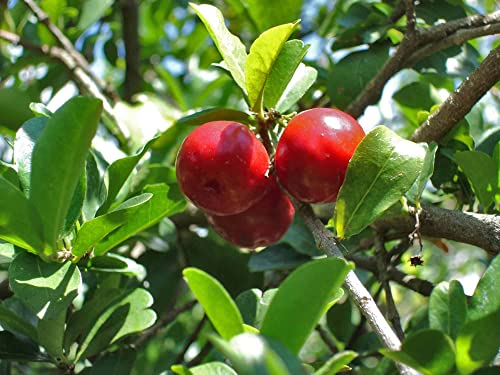
Grown, packaged and shipped exclusively by Wekiva Foliage. It is a tropical tree which makes a fine addition to a South Florida gardener's backyard fruit "orchard." A native of the West Indies, it is a small, attractive, fast-growing tree that won't reach much more than 12 feet, although it can be kept clipped back to shrub size.
It's leaves are small and evergreen, borne densely on rather brittle branches. The branches of some varieties droop; others are quite upright.
The bright pink, five-petaled flowers are small but pretty, with the trees blooming mainly from April through October although some blossoms appear year around. Fruiting is from May to November, but again, a few cherries may be picked now and then throughout the winter.
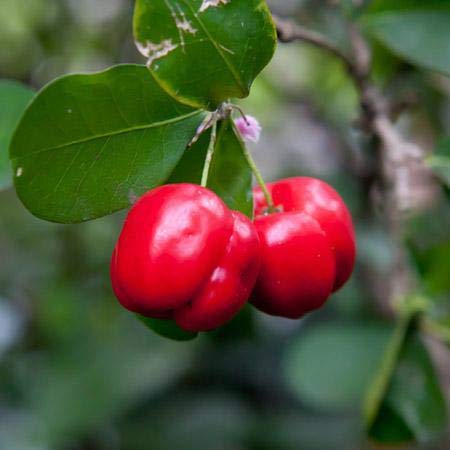
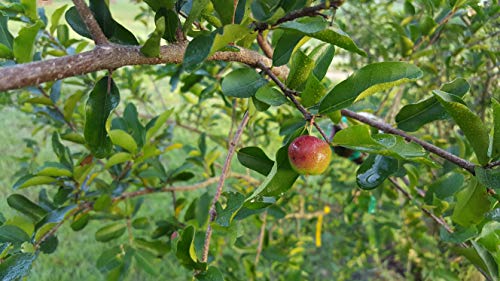
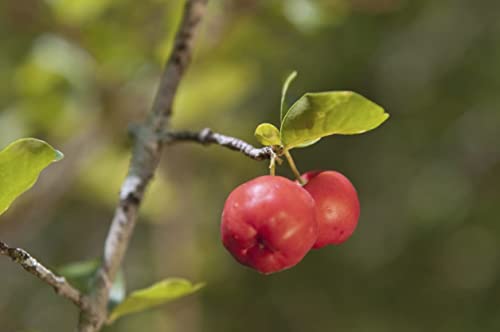
Barbados cherry, or acerola, is a large, bushy shrub or small tree that reaches mature heights of about 12 feet (3.5 m.). This attractive shrub produces thick, bright green leaves. Small, pinkish-lavender flowers bloom from spring to fall, and may pop up year round in warmer climates – usually after irrigation or a rainfall.
Harvest Barbados cherries when the fruit is fully ripe. Wear gloves, though, because the fuzz on the stems and leaves can irritate the skin, especially when the tree is young.
| SELLER | SELLER SCORE | AMAZON FULFILLED | PRIME | FREE SHIPPING |
|---|---|---|---|---|
| Wekiva Foliage | 9.34 | ❌ | ❌ | ❌ |
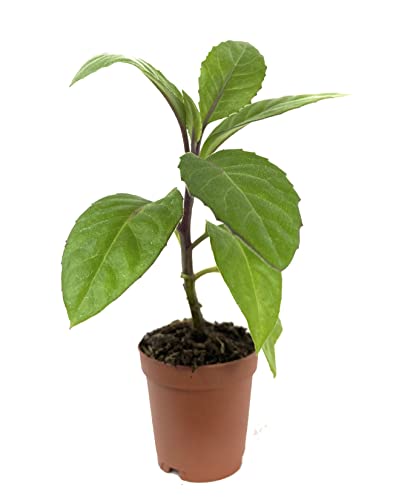
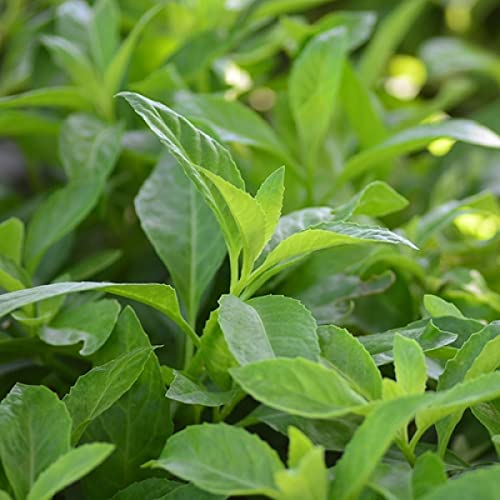
Grown, packaged and shipped exclusively by Wekiva Foliage. Longevity spinach, also known as Gynura procumbens, is growing in popularity thanks to its benefits as green, leafy spinach!
Longevity spinach, also known as the longevity green, is a veggie plant famous worldwide but primarily found in Africa, China, and Southeast Asia. It would thrive in areas that have tropical climates, being native in terrestrial, warm locations and habitats.
Longevity spinach grows to a maximum height of 12 inches, with a minimum height of 6 inches. Come spring season, the plant would grow flowers, showing orange inflorescences on its axillary stem.
The leaves of the longevity spinach are fleshy and smooth, rounder in shape to ovate, with greenish on the upper side, while it is purplish underneath. The leaves have a width of 1.3 inches and a length of 3 inches.
When growing longevity spinach indoors or outdoors, you should know that they are hardy, growing well in indoor and outdoor environments. When you grow them outdoors and spread them, they trail up or cover the ground. You can also trim them to grow more like bushes. If they grow in a pot, you can clip them.
| SELLER | SELLER SCORE | AMAZON FULFILLED | PRIME | FREE SHIPPING |
|---|---|---|---|---|
| Wekiva Foliage | 9.33 | ❌ | ❌ | ❌ |
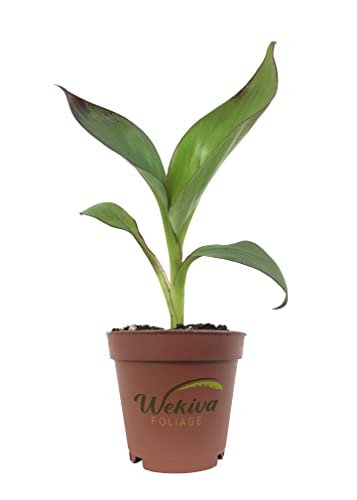
Grown, packaged and shipped exclusively by Wekiva Foliage. Botanically known as Ensete Ventricosum [en-SET-ee, ven-tre-KO-sum], Ensete Maurelii [en-SET-ee, mor-REE-lee] is an herbaceous perennial and belongs to the flowering plant family Musaceae (banana plant).
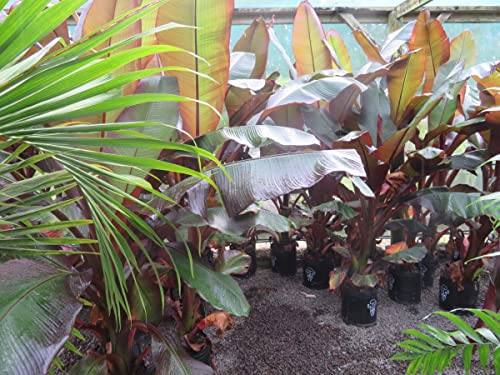
This banana-like perennial has large paddle-shaped leaves that range in color from deep claret brown to red-purple to pale green, produced from the center of the plant, with thick, bright red midribs beneath. White flowers are borne in inflorescences 3 to 4 feet long. Fruits are banana-like but dry and unpalatable.
Native to the tropical and subtropical forests of Africa, bananas are large herbaceous plants that die back in winter in frosty areas. Grow outdoors in rich soil in a sheltered area. Lift plants before first frost, cut back long roots, and reduce top-growth to the newest two or three leaves.
It is best grown in full sun, with some shade in the hotter portion of the day. Moist soil is a must. However, don't overwater.
Locate in a site where the plant receives some protection from strong winds that can damage the leaves. Courtyards, atriums, and walled gardens are ideal.
| SELLER | SELLER SCORE | AMAZON FULFILLED | PRIME | FREE SHIPPING |
|---|---|---|---|---|
| Wekiva Foliage | 9.34 | ❌ | ❌ | ❌ |
Large corrugated leaves are good for tropical effects. White, fragrant flowers are followed by 1 1/2 inch edible fruits with texture similar to that of a pear. Use as a specimen, prune to a canopy with age. Suited to containers in colder climates.
Follow a regular watering schedule during the first growing season to establish a deep, extensive root system. Feed with a general purpose fertilizer before new growth begins in spring. For a tidy, neat appearance, shear to shape in winter.
Its shiny bronzy green new foliage with reddish highlights is quite attractive, and it rarely sets fruit. Large panicles of deep pink flowers are showy in the spring. It looks best with regular pruning to maintain its shape, and regular deep watering to promote healthy growth.
It may require regularly scheduled light top-trimming (but not necessarily shearing) of vigorous top shoots to maintain its height below 25'. It is not drought tolerant.
Use them for tall screens or as large container subjects; beautiful when espaliered against a fence or wall. Both of the species listed here produce fruit enjoyed by birds, but only that of Eriobotrya japonica is eaten by people.
| SELLER | SELLER SCORE | AMAZON FULFILLED | PRIME | FREE SHIPPING |
|---|---|---|---|---|
| Wekiva Foliage | 9.33 | ❌ | ❌ | ❌ |
Grown, packaged and shipped exclusively by Wekiva Foliage. The mulberry plant family, Moraceae, also includes figs, jackfruit, and breadfruit. Mulberry trees produce small, sweet fruits that resemble slender blackberries. Mulberry fruits are quite popular with wildlife. Visiting creatures will reduce the harvest for your personal use, but on a good sized tree there should be enough fruits for all to enjoy.
Red mulberry (Morus rubra), is a native, deciduous tree, found in moist soils from South Florida to west Texas. Also called American Mulberry, this tree grows to heights of 40 feet tall with the tree growing taller in the northern parts of its range.
Mulberry trees can be planted in many Florida landscapes as they thrive in infertile, sandy soils, are drought tolerant after establishment, and moderately wind resistant. These trees do best in full sun to light shade. Native red mulberry trees are usually found growing in the shade of larger trees.
When choosing a location, keep in mind that fallen fruits stain the surfaces they land on, so it's best to avoid planting over driveways, sidewalks, and patios.
Mulberry trees require very little maintenance; they rarely require irrigation after establishment and generally do not require fertilization. As far as pruning goes, you can perform light pruning when trees are young to help create a strong framework of branches.
| SELLER | SELLER SCORE | AMAZON FULFILLED | PRIME | FREE SHIPPING |
|---|---|---|---|---|
| Wekiva Foliage | 9.33 | ❌ | ❌ | ❌ |
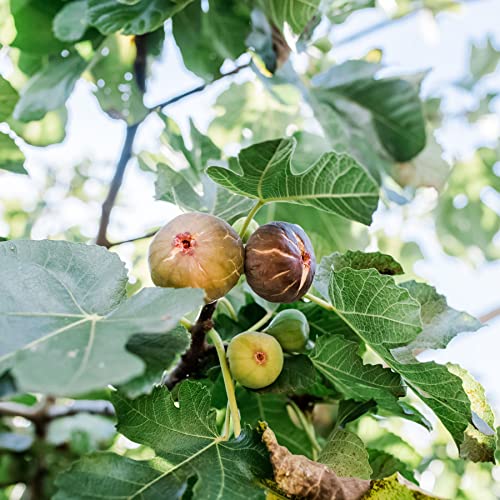
Grown, packaged and shipped exclusively by Wekiva Foliage. These iconic plants produce delicious fruit with flavors best experienced ripe from the tree. Unlike other fruits, figs ripen entirely on the branch, so planting your own allows you to harvest the freshest fruit. The common fig tree, thriving in warm climates, does not require pollination to bear new fruit.
Figs are self-fruitful, so you need only one plant to produce fruit. Mature fig trees can be 10 to 30 feet tall. If you have more room, plant several. Choose early, mid and late-fruiting selections to extend your harvest from summer into early fall. Some figs will produce bonus fruit early in the season, called a "breba" crop and the main crop. Figs can vary in size, shape, flavor, texture, and harvest time and can be black, green, brown, violet, yellow, or purple.
Full sun is essential for an abundant harvest and the sweetest fruit. It's ideal for planting fig trees in an area that receives six to eight hours of direct, daily sunlight. Less sunlight will prevent trees from producing as many figs compared to those planted with adequate light.
Fig trees grow in various soil conditions, but slightly acidic and well-drained soils are best. Soil with rich, organic matter helps supplement growth. Regular potting mixes work well for fig trees as long as it retains moisture and is well-aerated. These plants grow well near coastal regions but also tolerate loamy, clay, or sandy conditions.
When fruit is developing, it's important to water regularly. Check daily, and pick just as the fruit ripens. During the first year, as plants become established, water regularly and mulch. Once established, figs can be very drought tolerant.
| SELLER | SELLER SCORE | AMAZON FULFILLED | PRIME | FREE SHIPPING |
|---|---|---|---|---|
| Wekiva Foliage | 9.34 | ❌ | ❌ | ❌ |
Grown, packaged and shipped exclusively by Wekiva Foliage. It is a tropical tree which makes a fine addition to a South Florida gardener's backyard fruit "orchard." A native of the West Indies, it is a small, attractive, fast-growing tree that won't reach much more than 12 feet, although it can be kept clipped back to shrub size.
It's leaves are small and evergreen, borne densely on rather brittle branches. The branches of some varieties droop; others are quite upright.
The bright pink, five-petaled flowers are small but pretty, with the trees blooming mainly from April through October although some blossoms appear year around. Fruiting is from May to November, but again, a few cherries may be picked now and then throughout the winter.
Barbados cherry, or acerola, is a large, bushy shrub or small tree that reaches mature heights of about 12 feet (3.5 m.). This attractive shrub produces thick, bright green leaves. Small, pinkish-lavender flowers bloom from spring to fall, and may pop up year round in warmer climates – usually after irrigation or a rainfall.
Harvest Barbados cherries when the fruit is fully ripe. Wear gloves, though, because the fuzz on the stems and leaves can irritate the skin, especially when the tree is young.
| SELLER | SELLER SCORE | AMAZON FULFILLED | PRIME | FREE SHIPPING |
|---|---|---|---|---|
| Wekiva Foliage | 9.34 | ❌ | ❌ | ❌ |
Dragon fruit is a white-fleshed fruit with tiny black seeds and vibrant pink skin. Each fruit weighs between 150-600g and is commonly used in fruit salads, smoothies and salads. It has little flavour and its texture closely resembles that of kiwi fruit. To prepare all you to do is to cut the fruit in half and then scoop out the flesh.
dragon fruit is native to South America, but you’ll also found it grown in parts of Indonesia, Taiwan, Southern California and most recently Australia. Dragon fruit grows on cactus plants which love warm, humid climates and needs very little water. They are subtropical plants which need at least six hours of sunlight per day. They will also grow well in a warm and sunny spot indoors.
In the right conditions dragon fruit plants grow can grow to be quite tall and will put down aerial roots as they grow so make sure your pot is at least 40cm in diameter. Also, remember that dragon fruit plants are climbers so give them a stake or something else to climb on.
Growing dragon fruit outdoors in your garden is a fail-proof way to add colour and personality to your garden. To prepare simply clear the area of any weeds and rocks and make sure that the soil is slightly sandy and acidic, you can always add a bit of extra potting mix to the bed to help make it cacti-proof.
When your dragon fruit starts flowering is a good indicator that fruit is on its way. Generally speaking, it will take around four weeks for a dragon fruit to be ready, you’ll know when it is ripe when its skin turns that vibrant pink. Use a pair of sharp secateurs to cut the fruit off and store it in the fridge for up to two weeks.
| SELLER | SELLER SCORE | AMAZON FULFILLED | PRIME | FREE SHIPPING |
|---|---|---|---|---|
| Wekiva Foliage | 9.34 | ❌ | ❌ | ❌ |
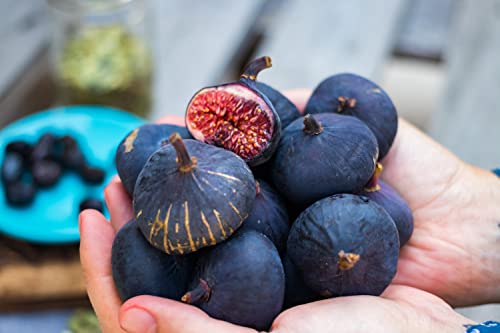
Grown, packaged and shipped exclusively by Wekiva Foliage. Introduced in 2014, the Olympian Fig produces truly huge, as large as a tangerine, purple skinned fruit with a very sweet red to purple flesh. Its cold hardy breba crop can ripen as early as May and is known to withstand temperatures into the teens.
The plant itself is hardy down to zero degrees once well established even though it will freeze to the ground only to return in the spring and bear a crop of fruit the following summer.
The Olympian Fig was discovered in Olympia, Washington by Denny McGaughy and is a choice variety for cool climates as well as warmer regions. Withstanding the test of time this is actually an heirloom that had been growing in a protected site for over 100 years.
Olympian was confirmed to be a distinct cultivar via DNA testing when compared with the 270 varieties at the USDA ARS Germplasm Repository in California.
Fig trees do best where they get at least 8 hours of direct sun per day. Once well established they are fairly drought tolerant but extended dry periods can cause leaf and fruit drop as well as early dormancy.
| SELLER | SELLER SCORE | AMAZON FULFILLED | PRIME | FREE SHIPPING |
|---|---|---|---|---|
| Wekiva Foliage | 9.33 | ❌ | ❌ | ❌ |
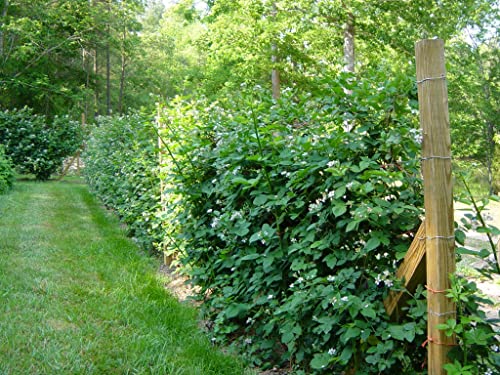
Grown, packaged and shipped exclusively by Wekiva Foliage. Blackberry plants are fruiting shrubs. They belong to the genus Rubus in the rose family Rosaceae. Blackberry bushes produce fruits called blackberries. Much like their close cousin the raspberry, blackberries contain high levels of antioxidants, including vitamin C, vitamin K, potassium, and dietary fiber. They contain very little overall fat and zero saturated fat.
As members of the Rosaceae family, the cultivation of blackberries resembles that of rose bushes. Fortunately, blackberries are closer to wild roses in their ease of care than they are to a hybrid tea rose. Blackberries will tolerate many growing conditions.
Sites with full sun are best for productive blackberry bushes. Some afternoon shade is tolerated, especially in areas with hot summers.
Careful site selection will ensure a long life for your blackberries, which usually live for about a decade with proper care. The ideal soil is slightly acidic with good drainage; these plants do not do well in clay soil. An elevated site or raised beds will not only help drainage but will also prevent late spring frosts from damaging flower buds.
Blackberries need moderate amounts of water, around 1 inch per week provided either by rainfall or from ground-level irrigation. Blackberries do not fare well in wet soils.
| SELLER | SELLER SCORE | AMAZON FULFILLED | PRIME | FREE SHIPPING |
|---|---|---|---|---|
| Wekiva Foliage | 9.34 | ❌ | ❌ | ❌ |
Grown, packaged and shipped exclusively by Wekiva Foliage. Jamaican Cherry tree is a relatively easy and rapid grower, especially in hot and dry climates. It looks awesome in the garden with its colorful foliage, and also provides tasty fruit
Even though the tree bears the word cherry in its name, its fruit isn’t anything like cherry and looks more like cranberry in appearance, with red or yellow, soft, and smooth skin. It tastes musky, similar to fig in flavor.
The Jamaican Cherry trees are a beautiful sight to behold, especially in the spring when they are fully covered in pink or white blossoms. You can prune it down to one trunk and grow it as a specimen tree or grow it as a shrub in a hedge.
Pick a location where the tree can get bright light. Initially, you will have to save the young plant from the harsh afternoon sun, but once it is established, the plant will handle it on its own. It will also do well in part shade.
You have to be a little careful about the watering when the plant is young. Make sure the soil is not completely dry. The best method to follow is to water the plant when the topsoil feels a little dry to the touch.
| SELLER | SELLER SCORE | AMAZON FULFILLED | PRIME | FREE SHIPPING |
|---|---|---|---|---|
| Wekiva Foliage | 9.34 | ❌ | ❌ | ❌ |
Grown, packaged and shipped exclusively by Wekiva Foliage. These iconic plants produce delicious fruit with flavors best experienced ripe from the tree. Unlike other fruits, figs ripen entirely on the branch, so planting your own allows you to harvest the freshest fruit. The common fig tree, thriving in warm climates, does not require pollination to bear new fruit.
Figs are self-fruitful, so you need only one plant to produce fruit. Mature fig trees can be 10 to 30 feet tall. If you have more room, plant several. Choose early, mid and late-fruiting selections to extend your harvest from summer into early fall. Some figs will produce bonus fruit early in the season, called a "breba" crop and the main crop. Figs can vary in size, shape, flavor, texture, and harvest time and can be black, green, brown, violet, yellow, or purple.
Full sun is essential for an abundant harvest and the sweetest fruit. It's ideal for planting fig trees in an area that receives six to eight hours of direct, daily sunlight. Less sunlight will prevent trees from producing as many figs compared to those planted with adequate light.
Fig trees grow in various soil conditions, but slightly acidic and well-drained soils are best. Soil with rich, organic matter helps supplement growth. Regular potting mixes work well for fig trees as long as it retains moisture and is well-aerated. These plants grow well near coastal regions but also tolerate loamy, clay, or sandy conditions.
When fruit is developing, it's important to water regularly. Check daily, and pick just as the fruit ripens. During the first year, as plants become established, water regularly and mulch. Once established, figs can be very drought tolerant.
| SELLER | SELLER SCORE | AMAZON FULFILLED | PRIME | FREE SHIPPING |
|---|---|---|---|---|
| ❌ | ❌ | ❌ |
Grown, packaged and shipped exclusively by Wekiva Foliage. Delicious, Juicy Fruit: The Bearss Lemon Tree produces juicy and tart lemons that are perfect for all sorts of culinary uses. They have fewer seeds than most lemons, making them ideal for juicing, and a high concentration of lemon oil that is highly sought after for baking. The tree grows and produces fruit quickly and has few thorns, making it a great choice for the home gardener.
Fast Growing and Adaptable: This variety of lemon tree is highly adaptable and can be grown in a variety of climates. They grow quickly and produce fruit at a young age, making them a great choice for those who want a bountiful harvest. Even in colder climates, Bearss Lemon Trees can be grown in pots indoors or in greenhouses, provided they get enough sunlight and air.
Easy to Plant and Maintain: Planting a Bearss Lemon Tree is easy, provided you give it the right soil, water, and sunlight. The tree requires well-draining soil with plenty of aeration and moderate watering. With proper pruning and care, the Bearss Lemon Tree can provide a bountiful harvest year after year.
Beautiful and Fragrant: In the spring, the Bearss Lemon Tree produces beautiful white flowers that are highly fragrant. These flowers give way to delicious lemons in the summer and fall, providing both beauty and utility to your garden. Plus, the tree's glossy green leaves provide a striking contrast to the bright yellow fruit.
CITRUS TREES CAN ONLY BE SHIPPED TO FLORIDA. WE ARE NOT ABLE TO SHIP TO OTHER STATES. Self-Pollinating and Cross-Pollinating: The Bearss Lemon Tree is self-pollinating, which means you can get fruit from just one tree. However, planting a second tree nearby can increase your yield and encourage cross-pollination. You can attract pollinators to your garden by planting herbs, flowers, and shrubs like lemon balm, fennel, cilantro, rosemary, thyme, basil, parsley, and marigolds.
Here is the list of top-rated brands that were evaluated by PM.
| Brand | Count |
|---|---|
| Wekiva Foliage | 17 |
We've carried out a comprehensive analysis of 126 reviews on fruits, using our selection criteria to identify the best options in the categories. Our findings reveal that most customers typically select fruits priced around $60.82, with top brands including and
Our team of expert editors reviewed these high-quality items and handpicked the top 17 fruits for your consideration. We've also done extensive research on numerous sellers, identifying the best ones in the categories category. These include and .
We are dedicated to assisting our users in finding the right seeds Products based on their needs, saving them considerable time when choosing which fruits to buy. We take pride in the number of satisfied users we've helped through our thorough and insightful reviews.


PickSmartly is dedicated to creating a platform designed to streamline your shopping experience, empowering you to make well-informed purchasing decisions with minimal time and effort. At the heart of our mission is the commitment to earning and maintaining the trust of our users, as we believe this to be fundamental to the services we provide.
When you engage with our websites, services, or tools, we or our approved service providers may utilize cookies to store information. This is done to enhance your user experience by making it more efficient, secure, and tailored to your preferences, as well as for marketing objectives.
We are an Amazon Associate and earn commissions from qualifying purchases. Our participation in the Amazon Services LLC Associates Program, an affiliate advertising initiative, provides us with a means to generate income through links to Amazon.com and its affiliated websites. Please note that Amazon, Amazon Prime, their logos, and the Amazon Prime logo are registered trademarks of Amazon.com, Inc., or its associated companies.