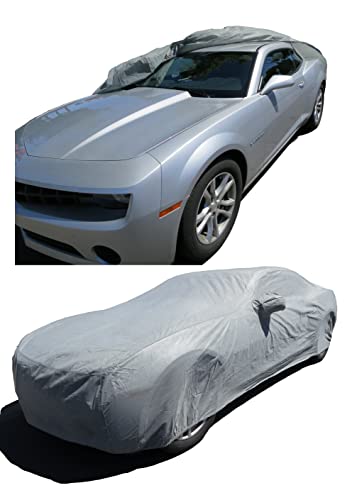
Understanding Custom Fit vs. Universal Fit
The primary reason to invest in a custom-fit cover is the precision of the drape. A universal cover is essentially a large sheet of fabric designed to accommodate a range of vehicle sizes, which inevitably leads to excess material. This excess can pool in areas where water might collect or catch the wind, turning the cover into a sail during a storm. A custom-fit cover is patterned specifically for your car's wheelbase, roofline, and bumper geometry. This precision ensures that the fabric stays taut, preventing the constant movement that leads to paint abrasion, and ensures that critical components like side mirrors and antennas are properly accommodated or protected.
Material Composition and Environmental Resistance
When selecting a high-performance cover, you must match the material to your primary storage environment. If your vehicle is kept outdoors year-round, you need a multi-layered approach. Look for covers that feature a heavy-duty outer shell—typically a high-denier polyester or polypropylene—that offers high UV resistance to prevent sun bleaching and material degradation. For those in coastal or snowy regions, moisture management is paramount. A high-quality cover should feature a waterproof membrane that prevents rain and melting snow from seeping through, but it must also be breathable. If a cover lacks breathability, condensation can become trapped between the fabric and the car's surface, leading to mildew or even oxidation of metal components.
Interior Lining and Paint Protection
The most overlooked aspect of a premium cover is what touches the paint. A cover with a harsh, abrasive underside will act like sandpaper every time it shifts. Always prioritize covers that feature a soft, non-abrasive inner lining, such as a brushed microfiber or a soft fleece. This layer acts as a buffer, absorbing any microscopic dust or grit that might get trapped under the cover and preventing it from scratching the finish. If you are protecting a vehicle with a high-end ceramic coating or a specialized matte finish, the softness of the inner lining is the single most important factor in your decision.
Security and Wind Management
A cover is only effective if it stays on the vehicle. High-performance covers utilize integrated fastening systems to combat wind uplift. Look for heavy-duty elasticized hems, reinforced tension straps that loop through the wheels, and adjustable buckles. These features ensure the cover remains anchored even during high-wind events. Additionally, consider the ease of installation. A cover with strategic buckle placements allows for a two-person installation or a much faster solo process, which is vital if you need to deploy the cover quickly due to changing weather conditions.
Decision Logic: The Quick Checklist
To make the right choice, follow this logic: First, identify your primary threat (UV rays, heavy rain, snow, or dust). Second, select a material density that addresses that threat (heavy-duty for weather, lightweight breathable for garage storage). Third, verify the inner lining is soft enough for your specific paint type. Finally, ensure the fastening system is robust enough for your local wind conditions. By following these steps, you transition from merely 'covering' your car to actively preserving it.