Understanding Frequency and Signal Technology
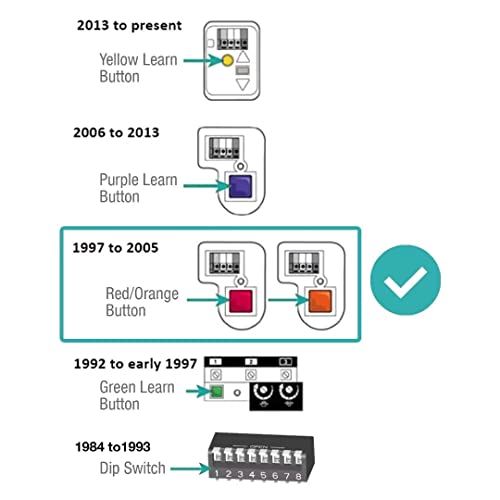
The most critical factor in selecting a replacement remote is the radio frequency (RF) it utilizes. Most modern systems operate on either 315 MHz or 390 MHz bands. However, knowing the frequency is only half the battle. You must also identify the encoding method. Older systems often use 'Fixed Code' technology, which is simple to program but less secure. Modern openers almost exclusively use 'Rolling Code' technology, where the remote and the motor exchange a new, unique code every time a button is pressed. If you buy a fixed-code remote for a rolling-code system, it simply will not work. Always check your motor's manual or the sticker on the back of the unit to confirm whether you need a rolling code replacement.
Compatibility: Universal vs. Brand-Specific
When shopping for generic remotes, you will encounter two main categories: brand-specific replacements and universal learning remotes. Brand-specific remotes are designed to mimic the exact signal of a major manufacturer, offering the highest success rate for pairing. Universal remotes, on the other hand, are designed to work with a wide variety of brands by utilizing a 'learning' chip. While universal options are more versatile, they can sometimes be finicky during the synchronization process. If you have a single brand of opener throughout your garage, a brand-specific remote is the safer bet. If you have a mix of different motor brands, a high-quality universal remote is a more economical way to unify your controls.
Range and Signal Penetration
The distance at which your remote triggers the sensor is a major quality indicator. A low-quality generic remote may work fine if you are standing directly in front of the garage door, but it might fail if you are approaching from the end of a long driveway. Look for remotes that specify a high effective range, typically measured in feet. Additionally, consider the build quality of the internal antenna. A remote with a robust internal antenna will better penetrate obstacles like thick wooden doors, metal siding, or even the signal interference caused by nearby Wi-Fi routers and power lines.
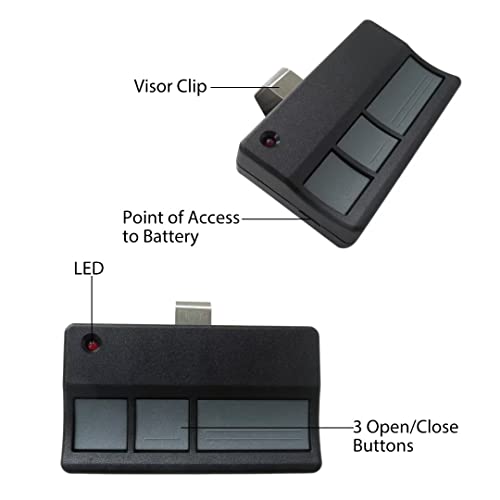
Beyond the technical specifications, consider how you intend to use the device. Some remotes feature a single button, while others offer three or four. Multiple buttons are highly advantageous if you want to program different remotes for different family members or if you want to use one remote to control both the garage door and an auxiliary gate. Furthermore, pay attention to the physical design. Some users prefer a slim, keychain-style remote for portability, while others prefer a larger, more tactile device that is easier to find in a cluttered glove box or center console. A backlit button feature is also a significant luxury that becomes a necessity during nighttime arrivals.
Security Considerations
Because garage door remotes are a gateway to your home, security should never be an afterthought. Avoid any generic remote that does not explicitly state support for rolling code technology. Fixed-code remotes are susceptible to 'code grabbing,' where a malicious actor can intercept your signal and replicate it. By ensuring your replacement remote supports advanced encryption and rolling code protocols, you are adding a vital layer of defense to your home's perimeter.