Material Durability and Longevity
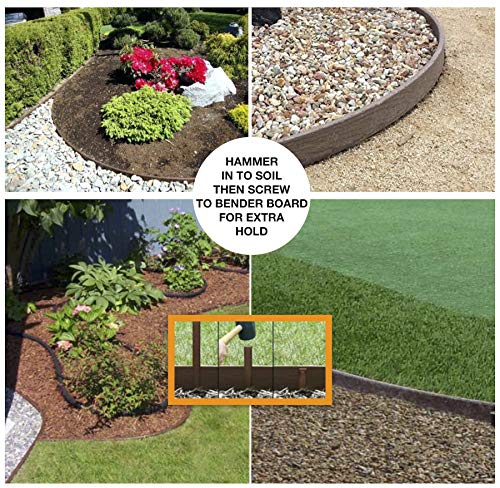
The first decision factor is the material composition, which dictates how much maintenance you will perform over the next decade. Metal edging, particularly steel or aluminum, is the gold standard for those seeking a 'disappearing' look. It provides incredibly thin profiles that allow plants to spill over the edge naturally without obscuring the line. However, you must consider corrosion resistance; powder-coated options are superior to raw metals in high-moisture environments. Plastic and composite edgings are highly budget-friendly and immune to rust, making them ideal for high-humidity areas, though they may fade under intense UV exposure or crack in freezing temperatures. For a traditional look, stone or brick edging offers unmatched permanence, but these require a much more significant upfront investment in both material and labor.
Aesthetic Integration and Style
Your edging should complement your home's architectural style rather than compete with it. If your garden follows a contemporary, geometric design, look for rigid materials like heavy-duty aluminum or straight-cut stone that can maintain a precise, linear path. For more romantic, informal landscapes, seek out flexible materials like heavy-duty recycled plastic or thin-gauge steel that can be easily bent into organic, sweeping curves. Consider the color palette as well; dark tones like charcoal or black tend to blend into the shadows of foliage, making the garden look more lush, whereas light-colored stones or bright plastics create a high-contrast frame that draws the eye to the border itself.
Installation Complexity and Ground Conditions
Before purchasing, evaluate your soil type and your willingness to perform manual labor. Heavy stone or concrete edging requires a prepared trench and often a leveled base of sand or gravel to prevent shifting and sinking over time. In contrast, 'no-dig' or spike-in edging systems are designed for rapid installation. If you have rocky or heavy clay soil, avoid thin, flimsy plastic strips that may snap when driven into the ground. Instead, opt for thicker, reinforced polymer or heavy-gauge metal with long, sturdy stakes. If you are a novice gardener, look for modular systems that click together, reducing the need for complex measurements and specialized tools.
Functional Height and Barrier Effectiveness
The primary functional role of edging is containment. If your goal is to stop aggressive grass runners like bermuda or creeping charlie, you need an edging solution that can be installed deep into the ground—ideally at least 3 to 4 inches below the soil surface. A shallow decorative border will fail to stop underground rhizomes from crossing into your flower beds. Additionally, consider the height of the edging relative to your mulch or gravel. A slightly taller edge helps contain loose decorative stones within the bed, preventing them from migrating into the lawn during heavy rain or mowing.